15% off on your first order Click here to sign up

You Did That: What It Means When a Black Family Invests in Black History

You Did That: What It Means When a Black Family Invests in Black History

You just ordered something that matters.

Not a gadget. Not a toy that’ll collect dust by February. You ordered a piece of your children’s identity — a tool built to make sure the history this country tried to bury shows up at your kitchen table instead.

That’s not a small thing.
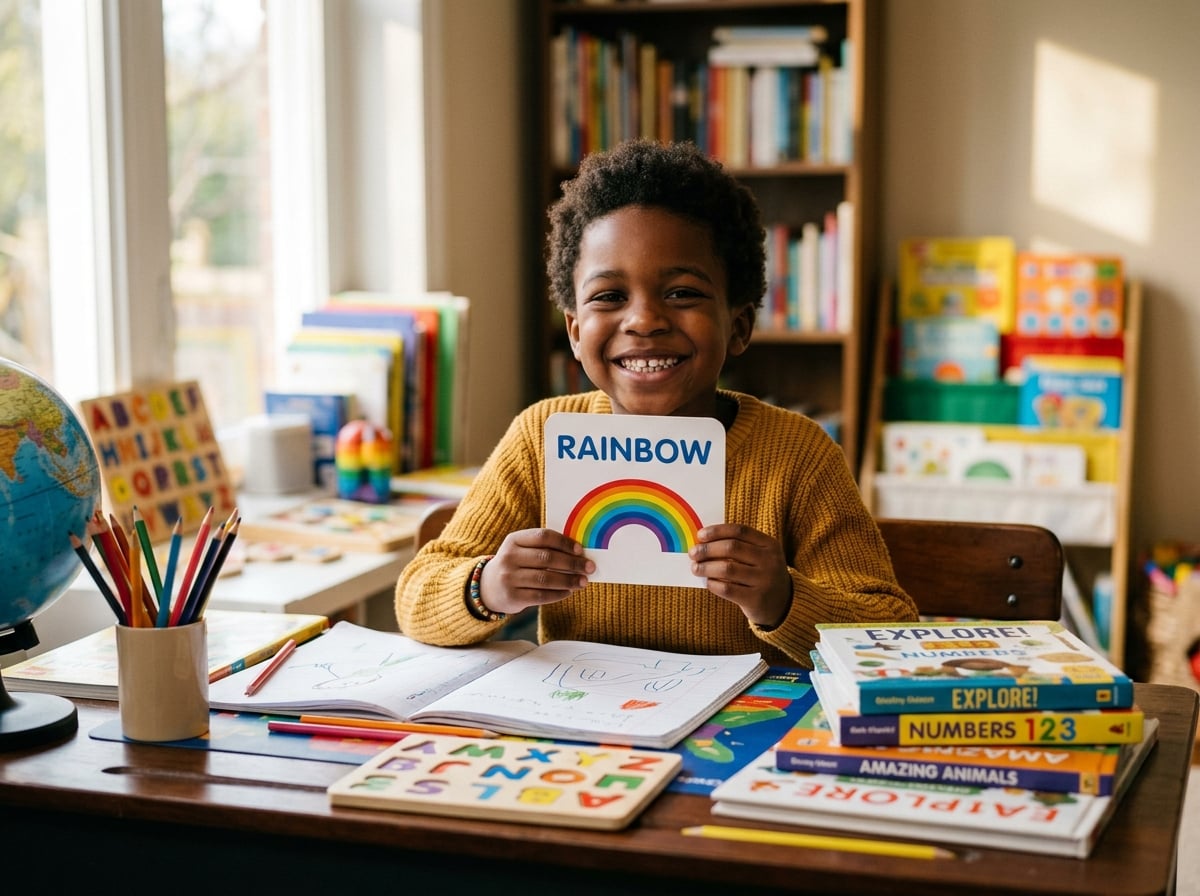
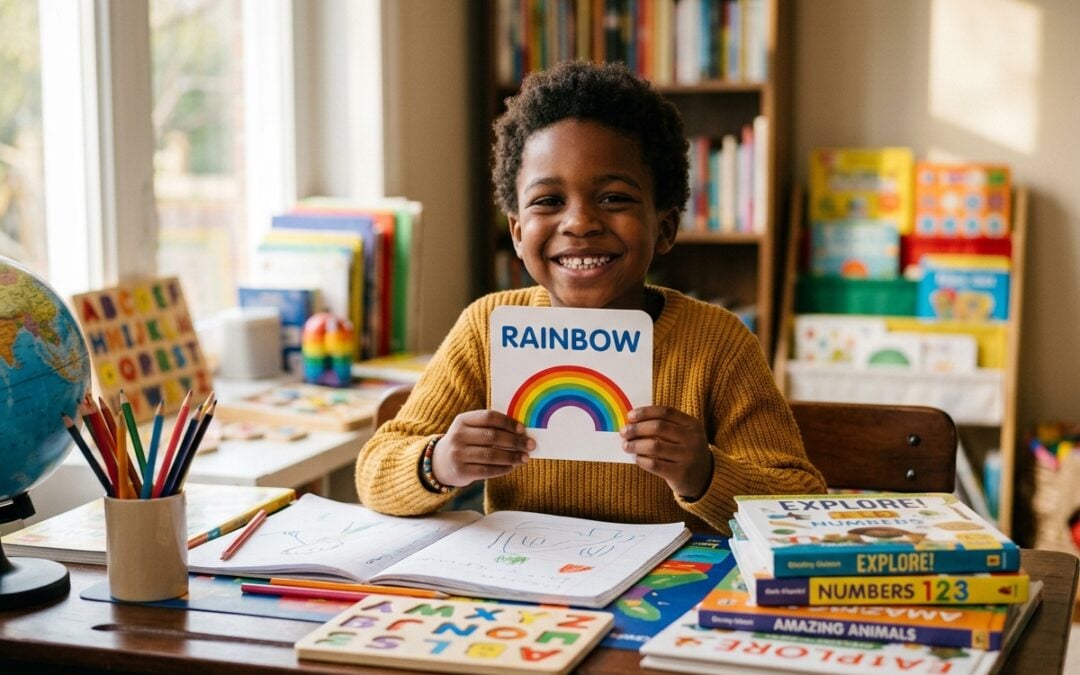
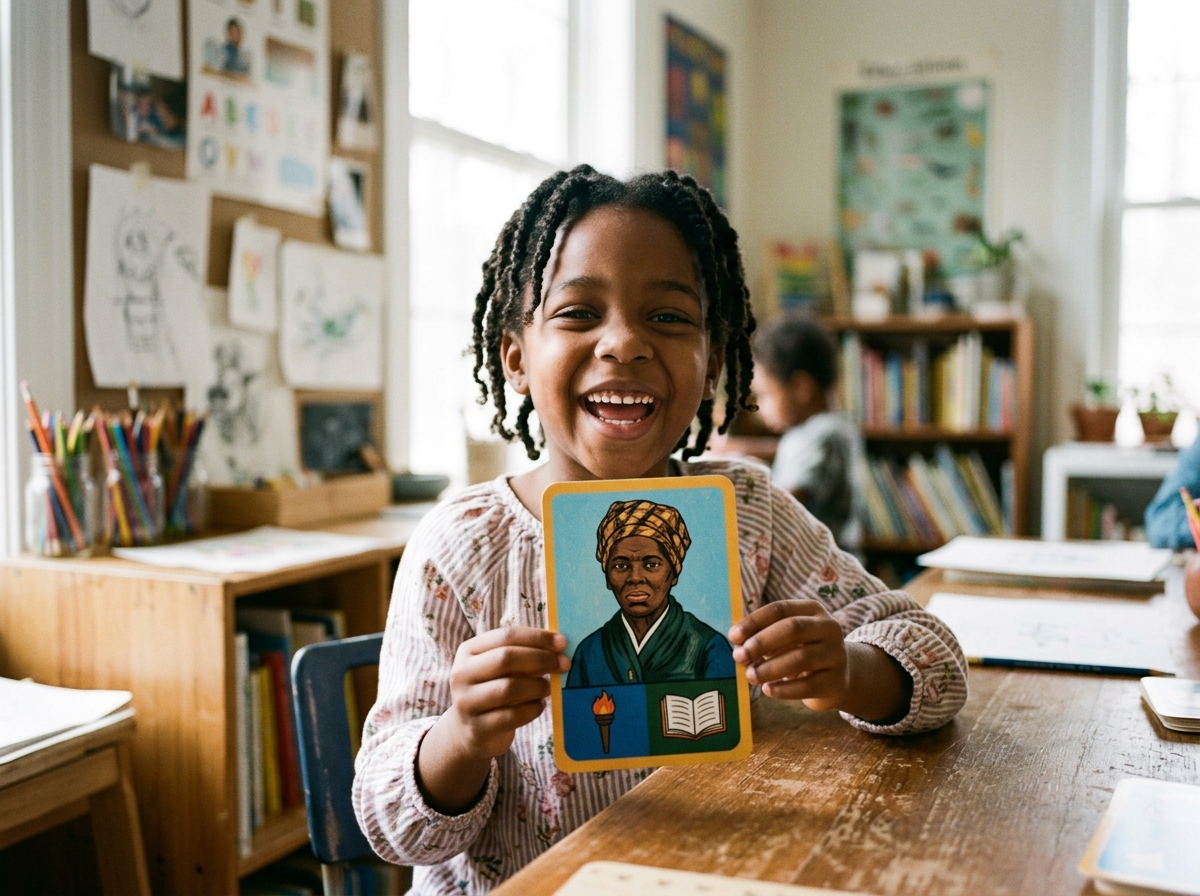
Child proudly holding Black history flashcards — a family investment in knowledge

The Decision Behind the Click

Most purchases are automatic. You add to cart, you check out, you move on.

This one was different.

Something made you stop and say: my kids need to know this. Maybe it was a conversation that went sideways at school. Maybe your child came home repeating something that wasn’t true about Black people’s place in history. Maybe you just decided that the version of America taught in classrooms isn’t the one you’re raising your kids inside of.

Whatever got you here — you made the right call.

The families who make this choice aren’t waiting for an institution that was never built for their children to suddenly start acting like it was. They’re building the foundation themselves. And that’s exactly what you just did.

What You’re Actually Sending Into Your Home
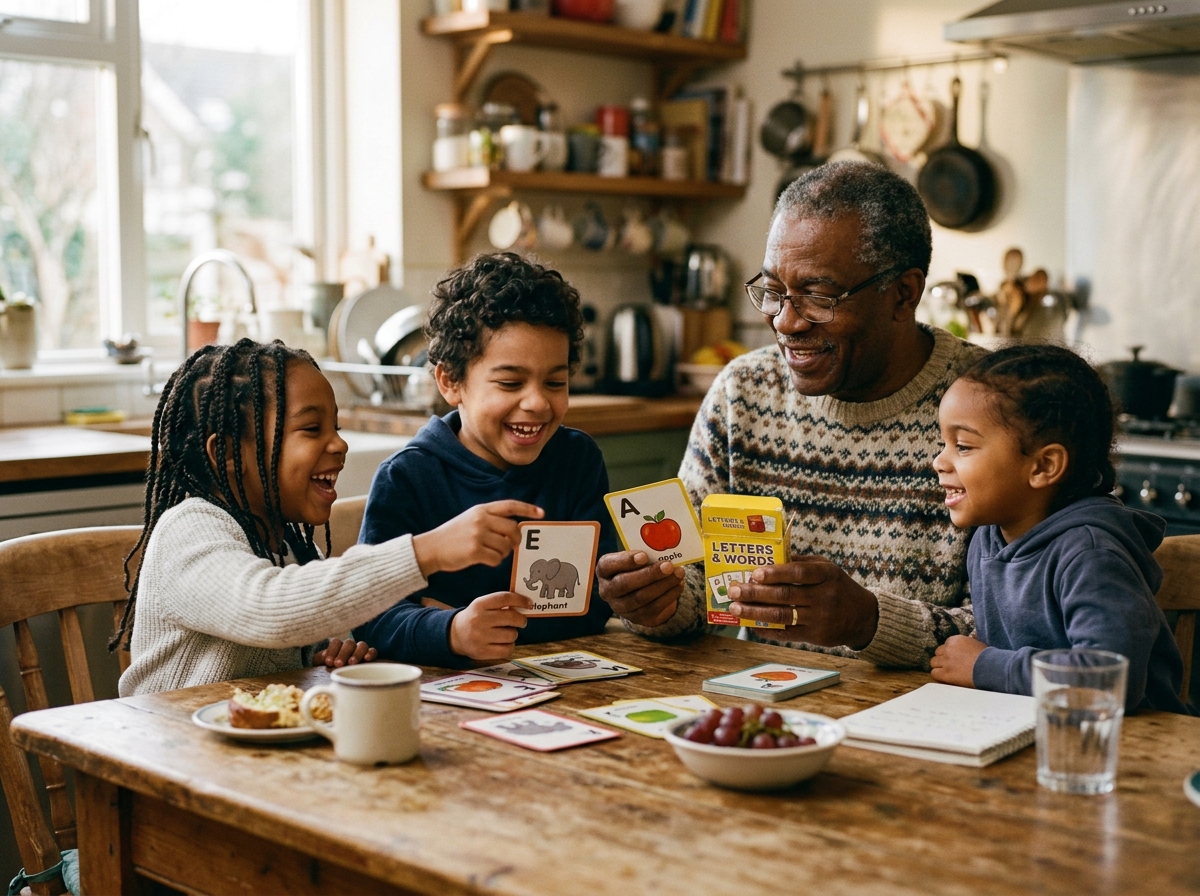
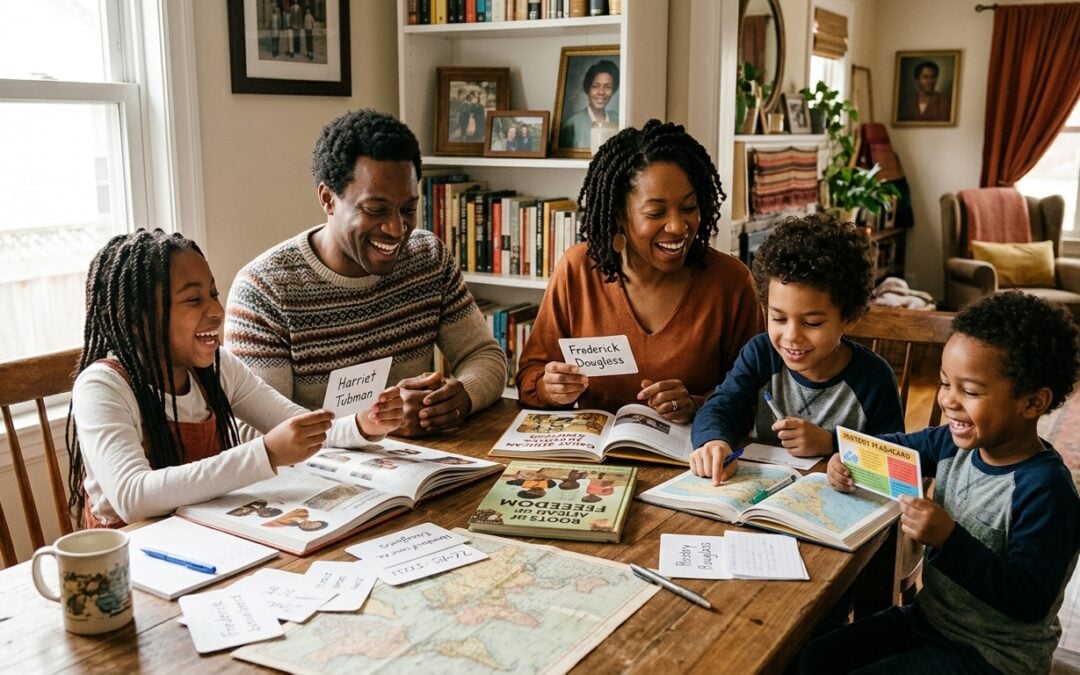
Freddie Taylor teaching with Black history flashcards

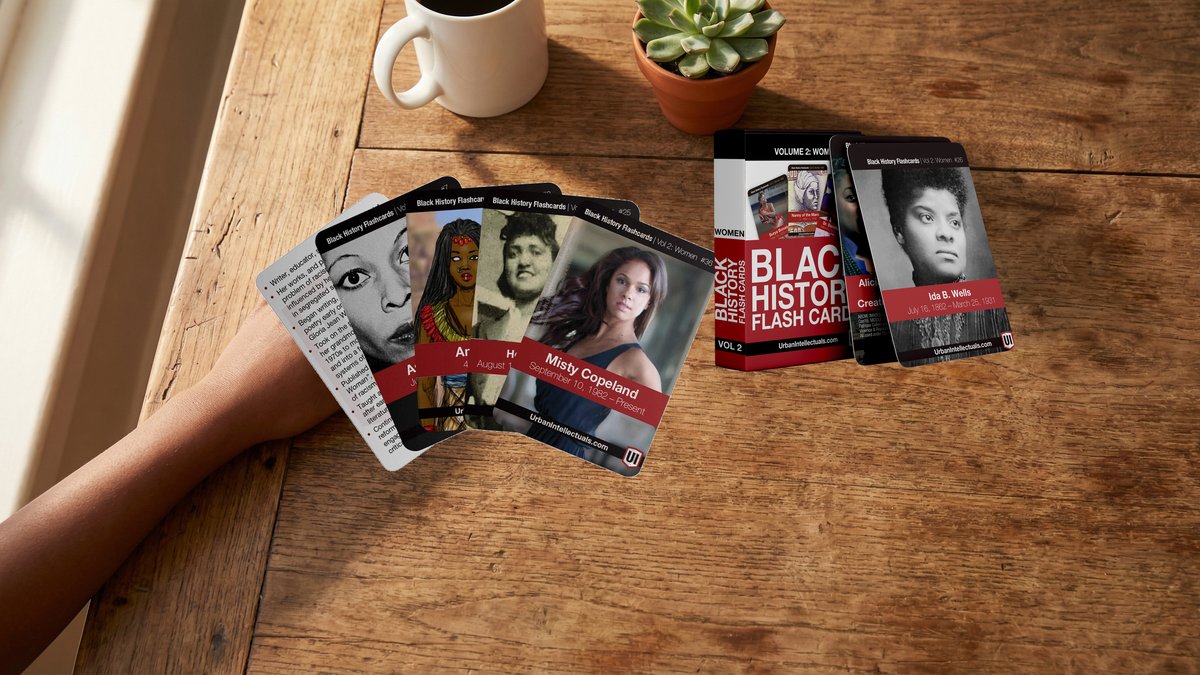
The Black History Flashcards aren’t just cards. Each volume carries 52 stories, faces, and facts that the dominant curriculum has consistently sidelined, softened, or erased entirely.

Volume 1 covers the broad sweep of Black history — pre-colonial Africa, the diaspora, the builders and resisters who shaped this country before it gave them credit.

Volume 2 is all women. Fifty-two Black women whose names your children should be able to speak with the same confidence they say “Harriet Tubman.” Scientists. Lawyers. Organizers. Poets. Women the textbooks buried.

Volume 3 is S.T.E.A.M. — the inventors, engineers, and mathematicians who built systems this country still runs on today.

This is what you just brought home. See the full collection →

Why It Hits Different When You Buy It Yourself

There’s something powerful about a Black parent or grandparent choosing to invest in this.

The school system wasn’t designed to do this work. That’s not conspiracy — it’s documented. The miseducation of Black children is a documented pattern with a paper trail stretching back to Reconstruction. They didn’t exclude our history by accident. They excluded it on purpose.

When you buy these cards, you’re deciding that you’re not waiting on institutions that were never built for your child to suddenly start acting like they were.

That’s a word for somebody today.

The act of purchasing this — with your own money, for your own children — is an act of resistance. Small, quiet, consistent resistance. The kind that actually builds something over time.

✊🏾 Join 500,000+ families keeping Black history alive at home.

Get tools, stories, and exclusive offers delivered to your inbox.

[SUBSCRIBE] - Newsletter Tag Posts

The Dinner Table Is the Classroom Now

You don’t need a curriculum. You don’t need a lesson plan.

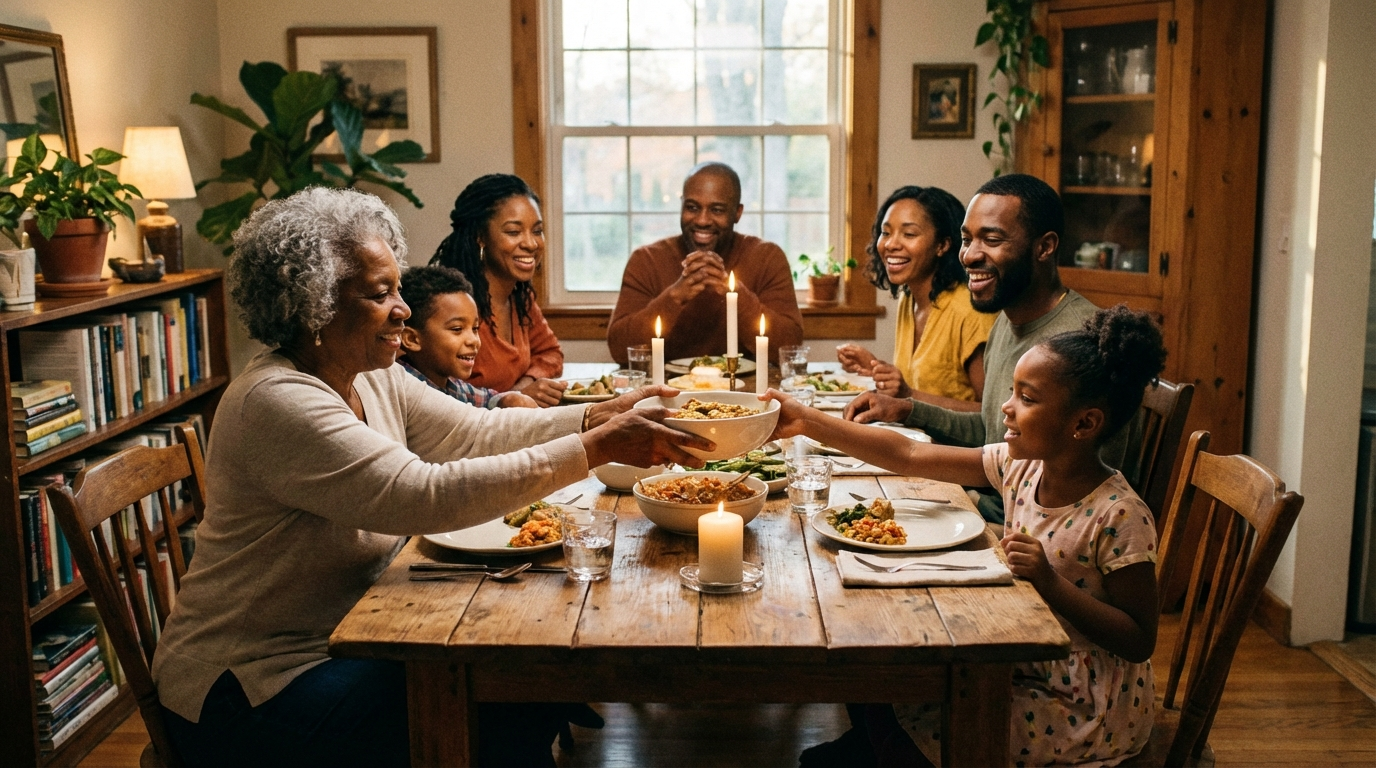
Pull out a card before dinner. Ask your kid: “Have you ever heard of this person?” Watch what happens. Watch the curiosity turn on. Watch the pride settle in when they realize that Black people didn’t just survive history — they drove it.

The flashcards were designed for exactly this. Low barrier, high impact. A conversation starter that becomes a weekly ritual that becomes a foundation your child carries into every classroom they ever sit in.

That’s the play. That’s what we built this for.

And if you’re looking for more ways to bring Black history into your home, check out our post on why more Black families are taking education into their own hands — the pattern you’re part of is bigger than you might think.

You’re Part of a Half-Million-Strong Movement

Black family gathered together discussing news and history

When you placed that order, you joined something bigger than a customer list.

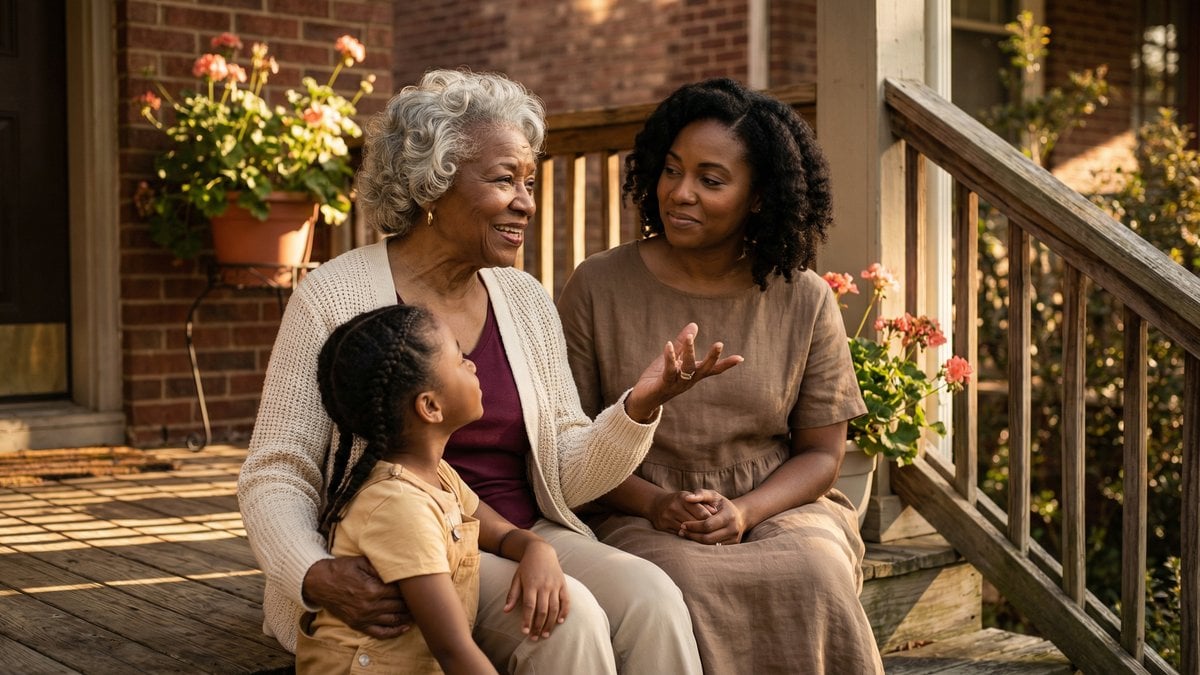
Over 500,000 Black families have brought Urban Intellectuals tools into their homes. They’re in Jacksonville and Oakland and Chicago and London. They’re grandmothers buying for granddaughters they see twice a year. They’re dads who never got this education themselves, making sure their kids don’t have the same gap.

This is what the movement looks like at the household level. Not a march. Not a hashtag. A card, a conversation, a child who grows up knowing who they are.

The reason this community has grown to half a million families is simple: this works. Not because we say so — because parents see it work at their own table, with their own children, and they tell somebody.

What Comes After the Box Arrives

When your order shows up, here’s a suggestion: don’t put it on a shelf.

Open it that day. Pull one card. Read it out loud. Not as a lesson — as a discovery. Let your kid hold it. Let them ask questions you don’t know the answer to. That’s the whole point.

The goal isn’t to turn your home into a classroom. The goal is to make Black history feel as natural as breathing in your house — something your children absorb without effort because it surrounds them.

One card. One name. One conversation. That compounds over time in ways you can’t calculate yet.

We also put together a deep look at why Black history belongs every day — not just in February. Worth a read once your cards arrive.

Curious about the person behind these tools? Read the story of why Freddie Taylor built Urban Intellectuals — and why a Black man in America felt it was urgent enough to build a half-million-family movement around it.

Want to see the depth of what your kids will encounter? Start with 50 Truths They Tried to Erase — fifty entries that most Americans have never been taught.

Tell Someone

If you know another Black family who’s on the fence — a cousin, a church friend, a neighbor — tell them what you bought and why.

Not as a sales pitch. As a recommendation. The way you’d tell someone about a good doctor or a good school.

Because that’s what this is. It’s a resource that changes what a child believes is possible for themselves. And those resources don’t get shared enough.

We built the tools. You bring them home. Together we make sure the next generation grows up knowing the full story.

Thank you for being part of that.

Love, peace, and power to the people.

— Freddie

What made you decide to get the flashcards? Drop it in the comments — we read every single one.

Don’t miss what matters.

Join the Urban Intellectuals family — history, culture, and tools for raising empowered Black children. Straight to your inbox.
[SUBSCRIBE] - Newsletter Tag Posts
Start Here: What Is Urban Intellectuals and Who Is It For?

Start Here: What Is Urban Intellectuals and Who Is It For?

If you just found us — welcome. You’re in the right place.

Every week, tens of thousands of people land on this site for the first time. They come from a shared post, a family recommendation, a search for “Black history for kids” or “what to teach my children about their heritage.” Some of them have been looking for something like this for years.

This page is for all of them. This is your start-here guide to Urban Intellectuals.

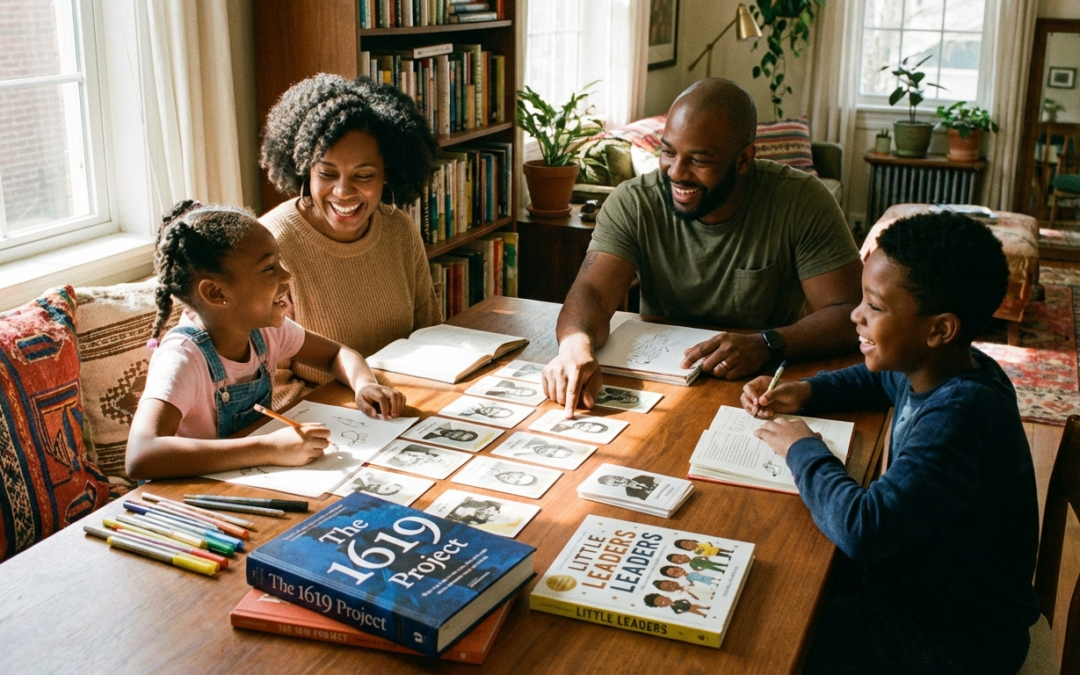
Black family learning together with books and flashcards at home

What Urban Intellectuals Is

Urban Intellectuals is a Black family education platform. We build tools, resources, and community for families who believe that Black children deserve to grow up knowing their full history — not the sanitized, abbreviated version the standard curriculum provides, but the real thing. The documented thing. The thing with names, dates, and context.

📖 You might also like: Meet Freddie Taylor: The Man Behind Urban Intellectuals and Why He Built It and Meet Freddie Taylor: The Man Who Built a Black History Empire at Your Kitchen Table.

We were founded by Freddie Taylor, an educator and author who spent years watching Black families navigate a curriculum that wasn’t built with their children in mind. His response was to build the resources that should have existed already.

That’s what you’ve found here.

Who We Serve

We serve Black families — and any family raising children in the African American tradition, or any family that wants their children to know the real history of Black America.

That includes:

  • Parents who want to supplement what their kids are being taught in school — or actively correct it
  • Grandparents who are living archives and want tools to pass down what they know in a structured, engaging way
  • Homeschooling families who are building their own curriculum and want resources grounded in Black history and culture
  • Educators who want to bring more complete history into their classrooms
  • Anyone who grew up feeling like their history was missing from the story and wants to fill in the gaps
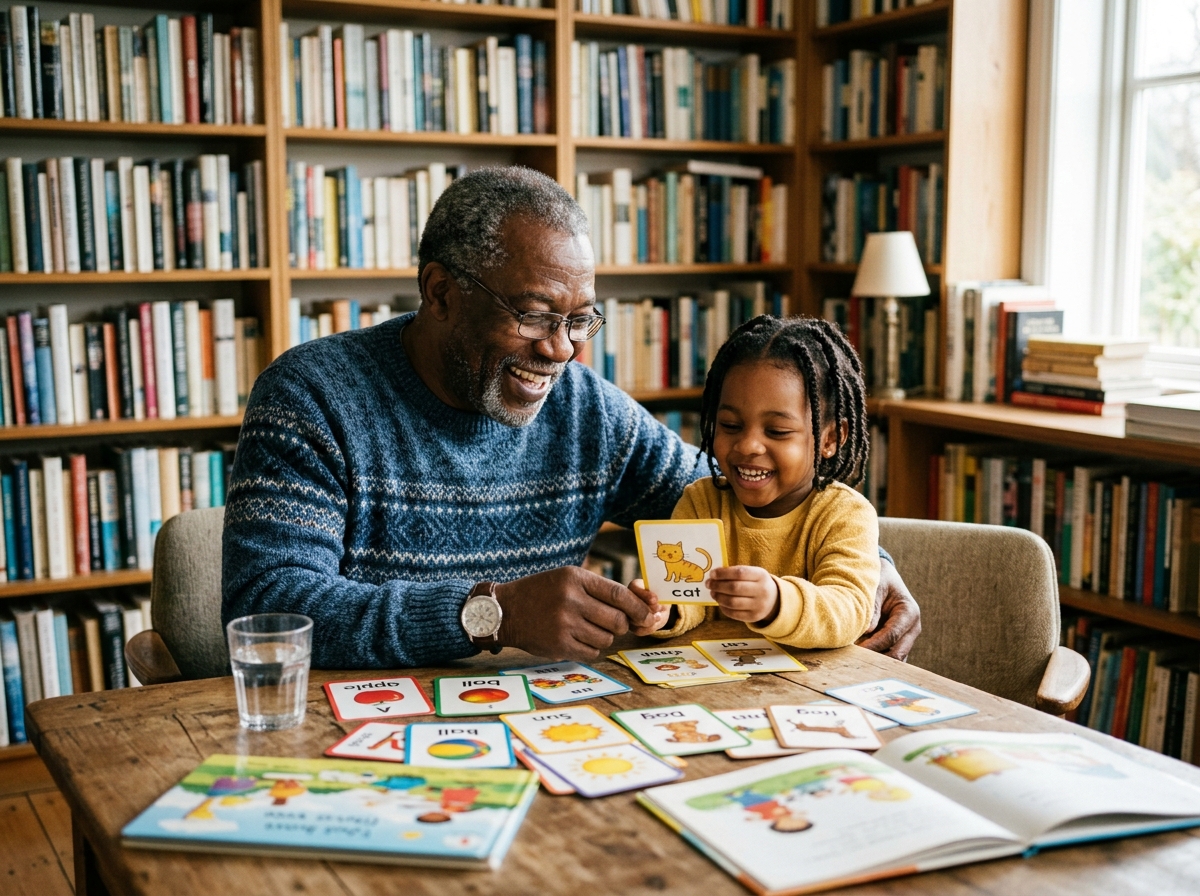
Black grandparent and grandchild with educational history flashcards

What We’ve Built

Our flagship product is the Black History Flashcard collection. These are physical, high-quality flashcards covering over 500 Black history figures, events, and concepts — from foundational Civil Rights leaders to lesser-known inventors, scientists, athletes, and organizers who shaped American history without receiving the credit they deserved.

The flashcards are designed to be used at home, in 10 minutes, around the kitchen table or in the car. Not a classroom supplement. A family practice.

We’ve also built:

  • 50 Truths They Tried to Erase — Freddie’s book documenting fifty suppressed pieces of Black history, with sources. Written for families. Used as a conversation starter, a reference, a counter-archive. Read why this book is surging right now.
  • The Women’s Edition Flashcards — focused specifically on Black women who shaped history, science, culture, and politics. Because the erasure of Black women’s contributions is its own particular kind of injustice.
  • The Black History Wall Calendar — a year of daily history, built for families who want history present in their home environment year-round, not just in February.
  • The Sankofa Club — our monthly membership for families who want a steady stream of new history, new resources, and community connection.

✊🏾 Join 500,000+ families keeping Black history alive at home.

Get tools, stories, and exclusive offers delivered to your inbox.

[SUBSCRIBE] - Newsletter Tag Posts

Why Right Now

We’ve been doing this for years. But the moment we’re in right now — 2026, with Black history under active political attack, with school curricula being scrubbed, with DEI programs defunded across the country — has given our mission a new urgency.

The pattern of suppressing Black history is not new. What’s new is how visible it is. How overt. How documented. And that visibility is driving hundreds of thousands of families to look for resources they can trust.

We’re here. We’ve been here. And we’re not going anywhere.

Black child proudly holding educational history flashcard

How to Start

If you’re new, here’s what we recommend:

1. Start with the flashcards. Pick up Volume 1 of the Black History Flashcards. Spend 10 minutes with them this week. See what your kids already know and what they don’t. Let the gaps in their knowledge open a conversation.

2. Subscribe to our newsletter. We send stories, history, resources, and exclusive offers to half a million families. It’s free. It’s one of the best ways to stay connected to what we’re building and learning about. Sign up below.

3. Read the blog. We publish regularly on Black history, parenting, culture, and the specific challenges of raising empowered Black children in this moment. Browse through and find what speaks to you.

4. Come back. This is a resource that grows over time. The more you engage, the more valuable it becomes. Bookmark us. Share what you find. Bring it to your family dinner conversations.

A Note From Us

Half a million families are part of this community. That number still moves us.

Because every one of those families represents a deliberate choice: to not let the standard curriculum be the last word on what their children know about themselves. To go looking. To keep the archive alive.

That’s the tradition. That’s what we’re here to support.

Welcome to Urban Intellectuals. You belong here.

What brought you here? What are you looking for? Share in the comments — we read them, and we let them shape what we build next.

Related: Meet Freddie Taylor: The Man Who Built a Black History Empire at Your Kitchen Table

Don’t miss what matters.

Join the Urban Intellectuals family — history, culture, and tools for raising empowered Black children. Straight to your inbox.
[SUBSCRIBE] - Newsletter Tag Posts
Teaching Your Kids to See the Mask Before It Slips

Teaching Your Kids to See the Mask Before It Slips

🎙️ LISTEN TO THIS ARTICLE

Prefer to listen? We turned this article into a podcast conversation.

You know the moment.

Someone says something that sounds almost fine. Almost friendly. And then — just for a second — the mask slips. The comment that reveals what they really think. The “compliment” that’s actually an insult. The policy that’s technically neutral but lands on Black people every single time.

Your kids are going to encounter this. Probably already have. The question is: will they recognize it?

Why the Mask Exists

Two-faced theatrical mask representing covert racism

Racism in 2026 doesn’t usually announce itself.

It doesn’t wear a hood. It doesn’t use slurs in public. It’s learned to code-switch, to dress itself up in plausible deniability, to hide behind “I didn’t mean it like that” and “You’re being too sensitive.”

That’s by design. Overt racism gets consequences now — social, professional, sometimes legal. So it went underground. It learned to perform. It put on a mask.

And the mask is harder to fight than the hood ever was. Because when your child can’t name what just happened to them, they internalize it. They start wondering if maybe they really are being too sensitive. Maybe they really didn’t deserve that opportunity. Maybe the teacher really does grade everyone that way.

The mask works because it creates doubt. And doubt is corrosive.

What the Mask Looks Like

Black teenager in school hallway looking contemplative

Let’s get specific, because your kids need concrete examples — not abstract lectures.

The surprised compliment: “Wow, you’re so articulate!” Translation: I didn’t expect a Black person to speak well. It’s dressed up as praise, but the surprise is the tell.

The selective enforcement: The dress code that targets locs and braids but not messy buns. The “zero tolerance” policy that somehow tolerates certain kids more than others. The rules are written neutral. The enforcement never is.

The friendly gatekeeping: “I just don’t think they’re a good fit for the advanced track.” No specifics. No data. Just a feeling — and that feeling has a pattern.

The revisionist comfort: “Slavery was a long time ago.” “My family never owned slaves.” “I don’t see color.” These aren’t just ignorant — they’re active erasure. They’re designed to make the speaker comfortable by making your child’s reality invisible.

The weaponized fragility: The tears. The hurt feelings. The “I can’t believe you’d accuse me of that.” Suddenly the person who caused harm becomes the victim, and your child is the aggressor for naming what happened.

Your kids need to be able to spot these patterns. Not to become paranoid — but to trust their own perception.

How to Talk About It

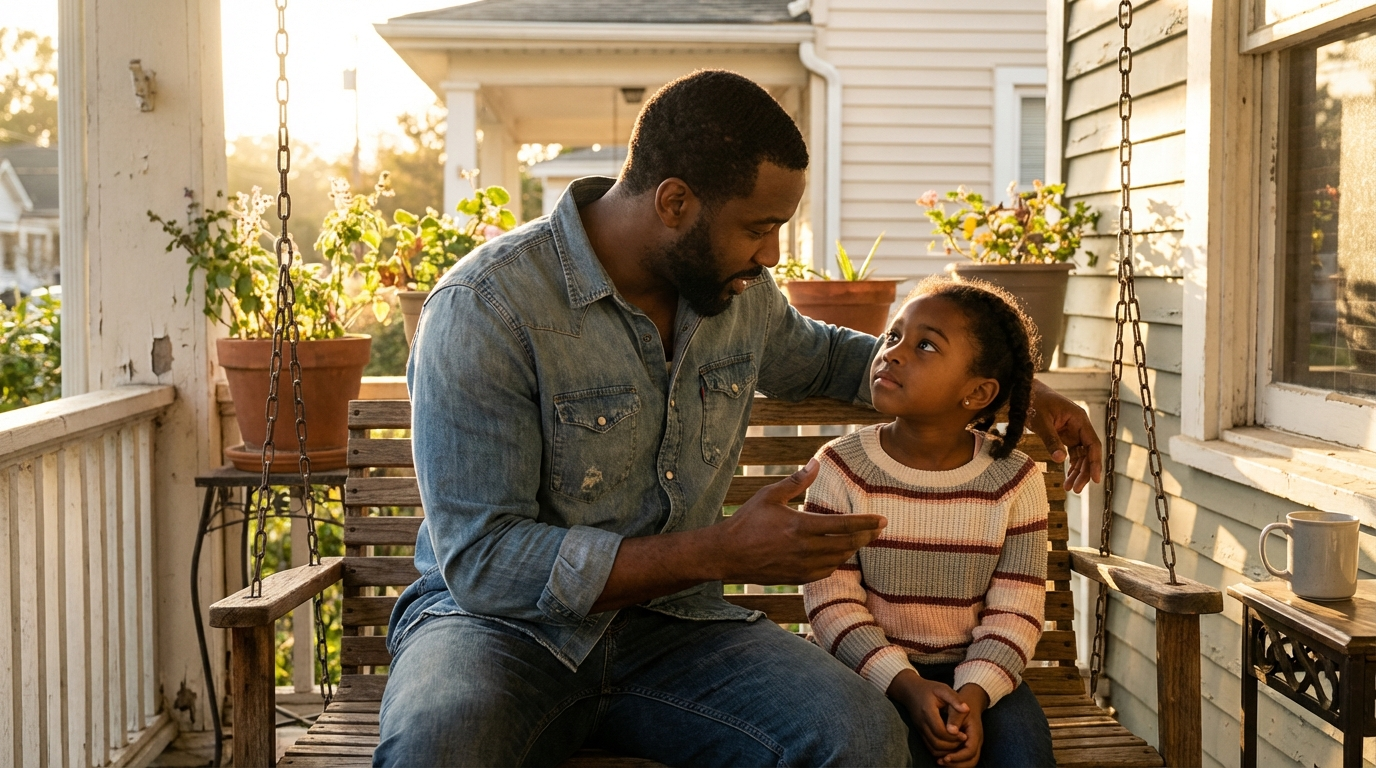
Black father having a warm conversation with his daughter on a porch

This doesn’t have to be a heavy, sit-down lecture. In fact, it works better when it’s woven into everyday life.

Name it in real time. When you see it on TV, in the news, at the store — point it out. “Did you notice what happened there?” Let them practice identifying it in low-stakes situations before they face it personally.

Validate their instincts. When your child comes home and says something felt wrong, your first response matters more than anything. Not “Are you sure?” Not “Maybe they didn’t mean it.” Try: “Tell me what happened. I believe you.”

Give them language. Kids who can articulate what’s happening to them are harder to gaslight. Teach them words like “microaggression,” “implicit bias,” “tone policing.” Not to use as weapons — but as tools for understanding their own experience.

Practice responses. Role-play scenarios. What do you say when a teacher questions whether you wrote your own essay? When a classmate touches your hair without asking? When someone tells you you’re “not like other Black people”?

Having a response ready doesn’t prevent the harm. But it prevents the freeze. And that matters.

✊🏾 Join 500,000+ families keeping Black history alive at home.

Get tools, stories, and exclusive offers delivered to your inbox.

[SUBSCRIBE] – Newsletter Tag Posts

The Line Between Awareness and Anxiety

Black child reading peacefully in a garden

Here’s where it gets delicate — and where a lot of parents struggle.

You want your kids to see clearly. You don’t want them to see threats everywhere. That’s not awareness; that’s anxiety. And a child who’s anxious about every interaction with non-Black people isn’t empowered — they’re exhausted.

The balance: trust your perception, but don’t assume the worst. Teach your kids that not every awkward moment is racism. Sometimes people are just awkward. Sometimes a bad grade is just a bad grade.

But also teach them: when a pattern emerges — when the same “accidents” keep happening to the same kids — that’s not bad luck. That’s a system.

The goal isn’t suspicion. It’s discernment.

Build Their Foundation

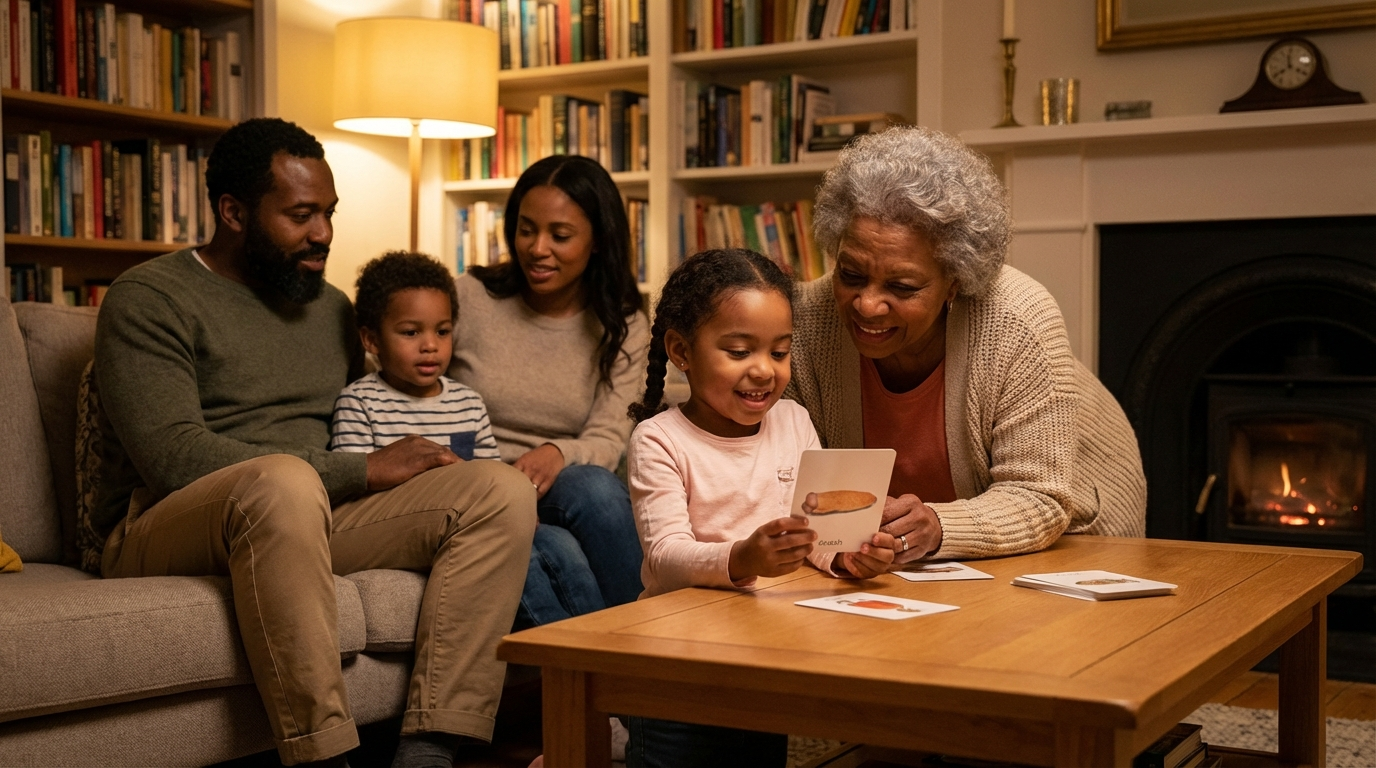
Black family studying flashcards together across generations

A child who knows their history is harder to shake.

When your daughter knows about Fannie Lou Hamer, she understands that speaking truth to power is a tradition, not a personality flaw. When your son knows about Robert Smalls, he understands that Black excellence has always existed — regardless of what anyone’s “surprise” implies.

That’s why building historical knowledge isn’t just academic. It’s armor. (Looking for ways to build that foundation? Try 12 Black History Activities at Home Kids Actually Love.) It’s the foundation that makes the mask recognizable because your child already knows the pattern goes back centuries. (Understanding that history starts with conversations — read How to Talk to Your Black Child About Racism.)

A child rooted in their story doesn’t need external validation. And someone who doesn’t need your approval is very hard to manipulate.

Start the Conversation

Black mother walking her son to school in morning light

You don’t need a curriculum. You need ten minutes and honesty.

Tonight, ask your kids: “Has anyone ever said something to you that sounded nice but felt wrong?”

Listen to what they say. Don’t fix it. Don’t minimize it. Just listen.

Then tell them: “That feeling? Trust it. It’s real. And you’re not the first person in our family to feel it.”

Connect them to the generations before who felt it too — and fought back anyway. That’s not a burden to pass on. It’s a gift.

What’s the moment you realized your own child was old enough for this conversation? Share your story — we’re all learning from each other. ✊🏾

Don’t miss what matters.

Join the Urban Intellectuals family — history, culture, and tools for raising empowered Black children. Straight to your inbox.
[SUBSCRIBE] – Newsletter Tag Posts

Related: Druski Isn’t Robinson: What the Difference Tells Us About How We Raise Our Kids

12 Black History Activities at Home Kids Actually Love

12 Black History Activities at Home Kids Actually Love

February comes and goes. The posters come down. The special units end.

And then what?

If Black history only lives at school — in a short unit, once a year — your child is getting a footnote. Not a foundation.

The good news: you don’t need a lesson plan, a curriculum, or a teaching degree to change that. You need 20 minutes, a little intention, and a few good tools.

Here are 12 Black history activities you can do at home — no prep, no pressure, and yes, the kids will actually want to do them.

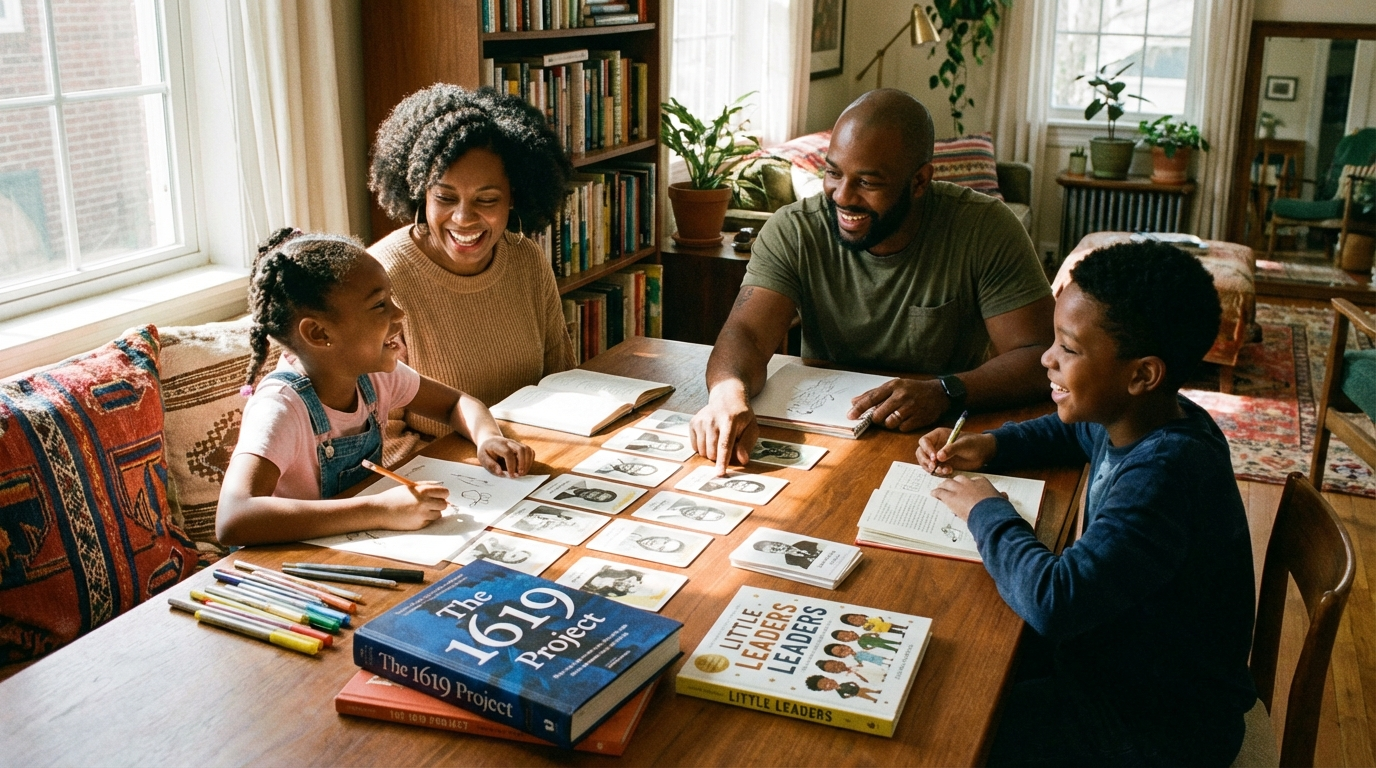
Black family doing Black history activities together at a dining table

1. The “Who Is This?” Card Game

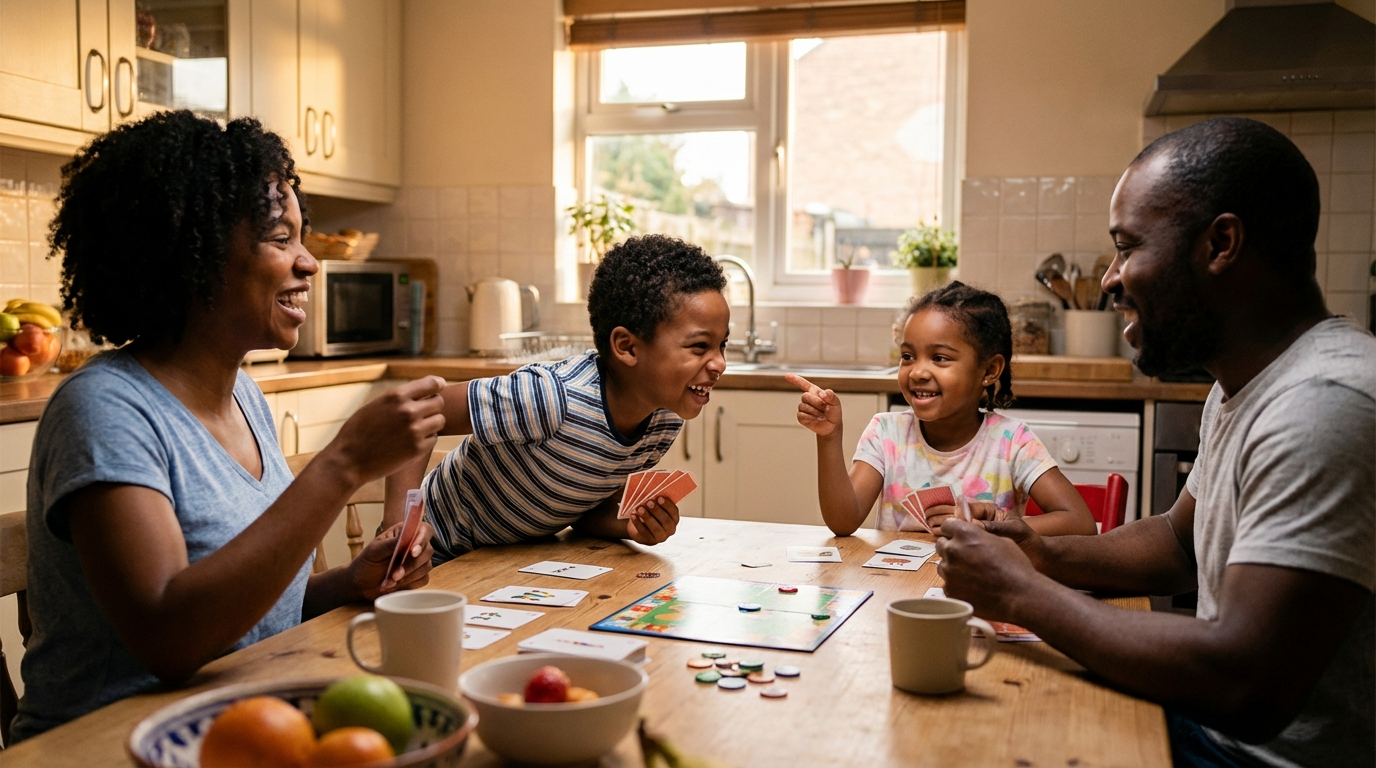
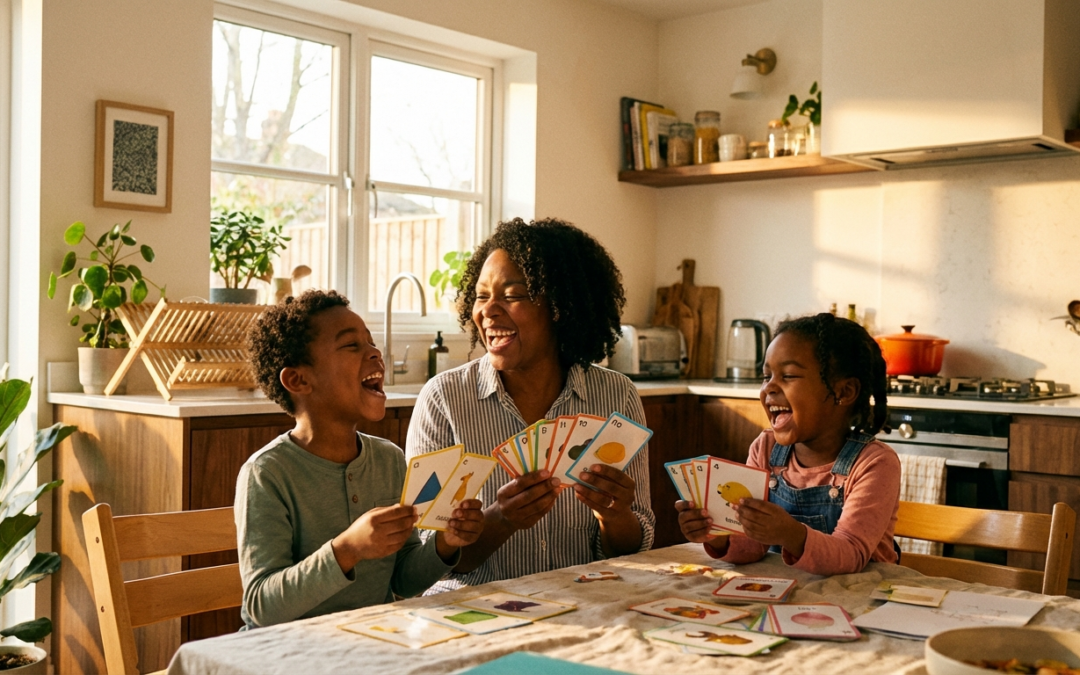
Black family playing a card game together with flashcards

Pull out a deck of Black history flashcards and flip through them together. One person reads the clues on the back, everyone else guesses.

It sounds simple. But give it five minutes and watch what happens — kids get competitive, parents get humbled (“I didn’t know that!”), and the names start to stick.

Black History Flashcards → — 500,000+ sold because this works in real homes, not just ideal ones.

2. Breakfast With a Legend

Pick one historical figure each week. Print or pull up a photo. Put it on the table at breakfast.

One rule: say their name before anyone eats.

That’s it. Over time, those names become normal. They become part of your family’s conversation. Your child starts connecting present-day events to people they know by face and name.

3. Black History Bingo Night

Turn family game night into a history lesson nobody asked for — and everybody enjoyed.

Black history bingo boards cover figures, events, and facts. Teams. Prizes. The whole thing.

Works best with 4+ players and at least one grandparent who thinks they know everything. (They usually win.)

4. The “They Left This Out” Research Project

Challenge your older kids (10+): find one Black historical figure who is NOT in their school textbooks.

Research them. Write a paragraph. Present it at dinner.

This does two things: it teaches research skills, and it teaches your child to notice absences — which is one of the most important critical thinking skills they can have.

✊🏾 Join 500,000+ families keeping Black history alive at home.

Get tools, stories, and exclusive offers delivered to your inbox.

[SUBSCRIBE] - Newsletter Tag Posts

5. Watch a Documentary Together — Then Talk

Not just watch. Talk.

Pick one age-appropriate documentary about Black history. Watch it together. Then, before anyone gets up from the couch, each person says one thing they didn’t know before.

Some starting points:

  • 13th (Netflix, ages 13+)
  • The Black Panthers: Vanguard of the Revolution (ages 14+)
  • John Lewis: Good Trouble (all ages)
  • Hidden Figures (the film is great for kids 8+)

The conversation after is where the real learning happens.

6. Build a Family History Wall

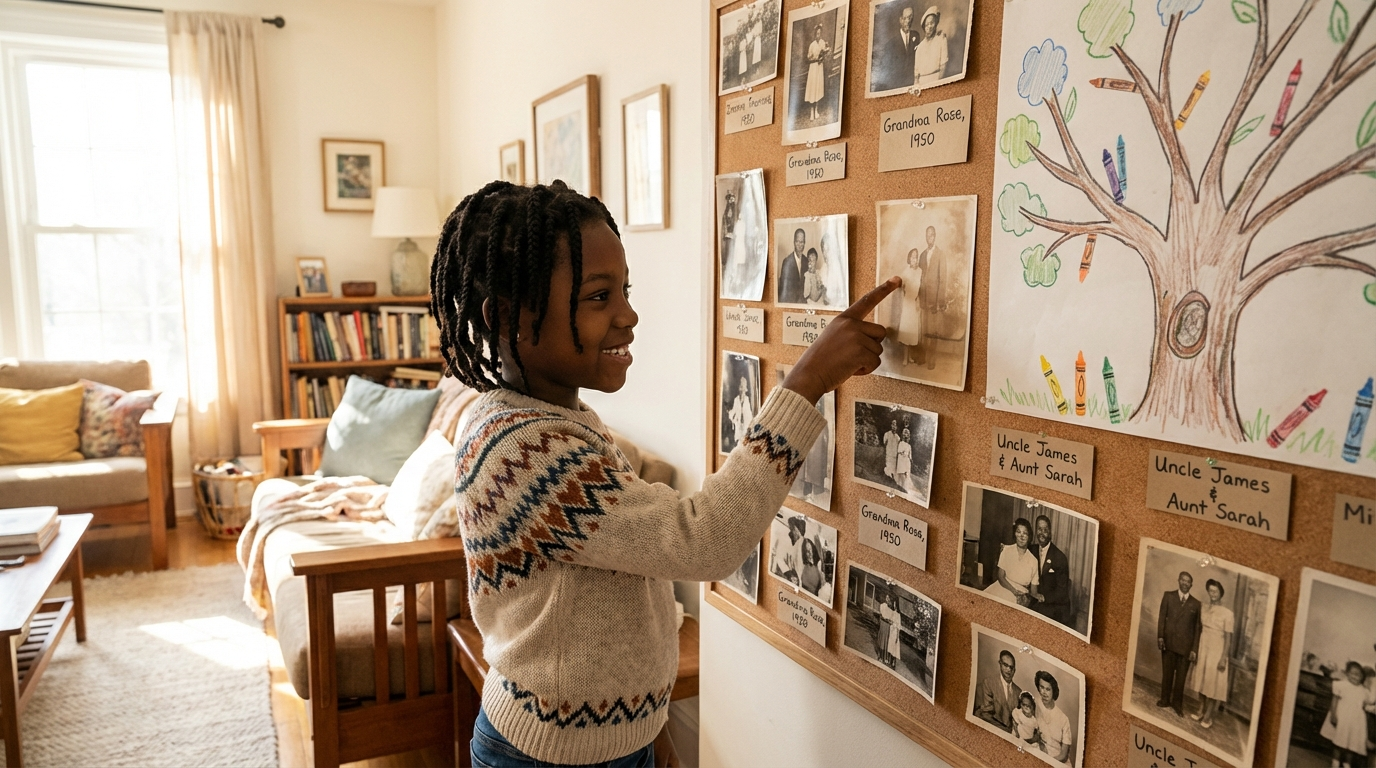
Black child proudly showing their family history wall display

This one takes a Sunday afternoon and becomes a permanent fixture.

Get a corkboard or a section of wall. Start with what you know: names, places, photos, dates. Then ask your elders — parents, grandparents, great-aunts — to fill in the gaps.

You don’t need to trace back to Africa to make this powerful (though if you can, do it). Your family’s story is Black history. Make it visible.

7. Cook a Meal With a Story

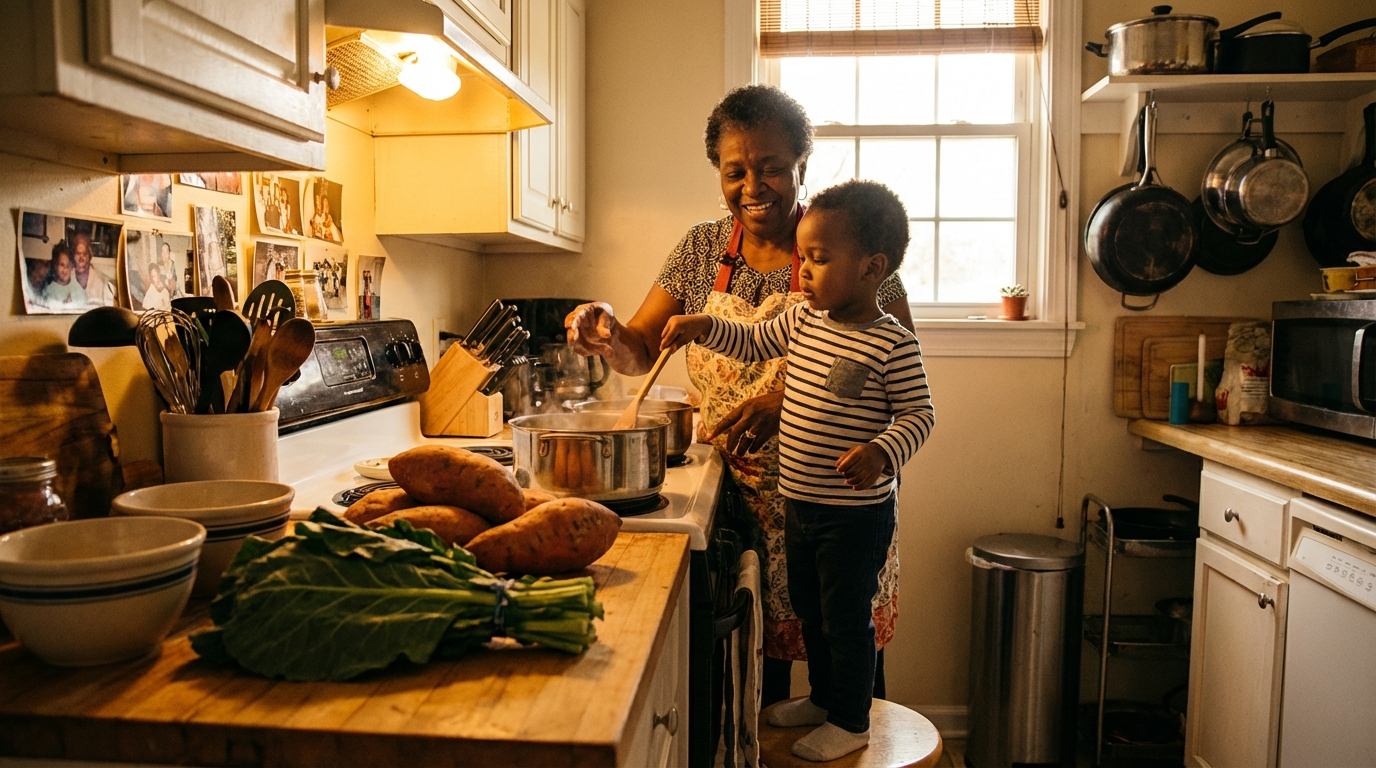
Black grandmother and grandchild cooking soul food together

Every dish in Black American cooking has history behind it. Pick one this week.

Collard greens. Sweet potato pie. Red beans and rice. Gumbo. Fried catfish.

Cook it together. While you cook, talk about where it came from — African roots, slavery, Reconstruction, the Great Migration, Sunday traditions. The food becomes a doorway.

Bonus: find a dish connected to a specific region your family came from.

8. Read One Page a Night

Not a whole book. One page.

Find a book about Black history that’s right for your child’s age. Read one page aloud at bedtime. That’s it. One page a night is 30 pages a month, 365 pages a year.

Over a year, that’s the equivalent of a real education.

Some good starting points:

  • Hand in Hand by Andrea Davis Pinkney (ages 6-10)
  • X: A Novel by Ilyasah Shabazz (ages 12+)
  • The Warmth of Other Suns by Isabel Wilkerson (teens and adults)

9. The “Name That Ancestor” Road Trip Game

On the next long car ride, take turns naming Black historical figures.

One rule: if you name someone the rest of the family knows, you get a point. If you name someone nobody else knows, you get three points.

This turns the car ride into a research motivation session. Kids will study before the next trip. Not because you asked them to — because they want to win.

10. Write a Letter to a Historical Figure

Pick a figure your child has been learning about. Have them write a letter — what would they say? What questions would they ask? What would they want them to know about the world today?

This is one of the most powerful exercises for older kids. It builds empathy, historical thinking, and writing skills all at once.

Keep the letters. Pull them out in five years.

11. Black History Trivia at Dinner

Every dinner has a trivia question. One question, one conversation.

Doesn’t need to be a quiz. Could be: “Who was the first Black woman to travel to space? What do you think it was like for her?”

The question starts the conversation. The conversation builds the knowledge. The knowledge builds the identity.

12. Let Your Child Teach You

Once a month, flip the script. Your child picks a historical figure, researches them, and teaches the family what they learned.

Give them a real audience: invite grandparents, siblings, cousins. Let them present.

This does something that passive learning can’t: it makes your child the authority. The expert. The keeper of the story.

That’s not just education. That’s identity.

The Point Isn’t the Activity — It’s the Habit

One activity won’t change anything.

But one activity, done regularly, in a home where Black history is normal — that changes everything.

You’re not trying to replicate school. You’re trying to build something school can’t: a child who knows who they are, where they come from, and why it matters.

That happens in the small moments. The breakfast table. The car ride. The bedtime page.

Ready to make it a habit? The Black History Flashcards are how over 500,000 families have made Black history part of their everyday routine. Not just February. Every day.

Urban Intellectuals has been putting Black history in Black homes since Freddie Taylor started with a single deck of cards. See the full collection →

Which of these activities will you try first? Share your plan in the comments — and tell us which ones your kids already love!

Don’t miss what matters.

Join the Urban Intellectuals family — history, culture, and tools for raising empowered Black children. Straight to your inbox.

[SUBSCRIBE] - Newsletter Tag Posts

📖 Also read: Why Volume 1 Black History Flashcards Still Matter in 2026

Why Every Black Family Needs a Set of Black History Flashcards

Why Every Black Family Needs a Set of Black History Flashcards

Let me ask you something.

When your child comes home from school and tells you what they learned about Black history — what do they say?

Martin Luther King had a dream. Rosa Parks sat on a bus. Harriet Tubman ran north. Maybe they throw in George Washington Carver and the peanut, if you’re lucky.

That’s not Black history. That’s a highlight reel designed to make everybody comfortable.

The Problem Isn’t What They Teach — It’s What They Leave Out

Black child engaged with educational flashcard

Here’s what your child probably didn’t learn this year:

That Lewis Latimer made Edison’s lightbulb actually work. That Dr. Charles Drew revolutionized blood banks and then was turned away from the very hospitals his work saved. That Mansa Musa was the wealthiest person in human history — and he was African.

These aren’t obscure facts for history buffs. This is the foundation. And when our kids don’t have it, they walk through the world thinking Black history started with slavery and ended with the Civil Rights Movement.

That’s not a gap. That’s an erasure.

Why Flashcards Hit Different

You might be thinking — flashcards? That’s your big solution?

Hear me out.

There’s something powerful about a physical object you can hold, flip through, and pass around the dinner table. It’s not a textbook nobody opens. It’s not a YouTube video that autoplays into something else. It’s a tool that starts conversations.

When a seven-year-old pulls a card and asks, “Who’s Garrett Morgan?” — that’s a door opening. And you get to walk through it together.

That’s what flashcards do. They make Black history tactile. Shareable. Part of your daily life instead of a once-a-year performance.

The Dinner Table Effect

Black family dinner table with multiple generations

We’ve heard from thousands of families who use our Black History Flashcards and the same story keeps coming back:

“We pull a card every night at dinner.”

One card. One conversation. One new hero your child didn’t know existed.

Over a month, that’s 30 figures. Over a year? Your child knows more Black history than most adults. Not because you sat them down for a lecture, but because you made it part of how your family lives.

That’s not education. That’s culture.

✊🏾 Join 500,000+ families keeping Black history alive at home.

Get tools, stories, and exclusive offers delivered to your inbox.

[SUBSCRIBE] – Newsletter Tag Posts

It’s Not Just for Kids

Let’s keep it real — most of us don’t know our own history as deeply as we should. And that’s not our fault. The system wasn’t designed to teach it to us.

These flashcards aren’t just for your children. They’re for you. For your parents. For the uncle who thinks he knows everything but has never heard of Mary Bowser, the enslaved woman who spied for the Union from inside the Confederate White House.

Every card is a revelation. Every conversation is a reclamation.

What Schools Won’t Do, We Have To

Black father reading with son on couch

With DEI programs being gutted across the country and school boards pulling books from libraries, the message is clear: they are not going to teach our children who they are.

That was never their job anyway. It’s ours.

And the good news is — you don’t need a curriculum. You don’t need a teaching degree. You need a deck of cards and a willingness to start the conversation.

That’s it.

This Is About More Than Facts

When a Black child learns that someone who looked like them invented, discovered, ruled, or resisted — it changes how they see themselves. It’s not just history. It’s identity.

And in a world that constantly tells our children what they can’t do, what they aren’t, what they didn’t build — handing them a stack of evidence to the contrary is one of the most powerful things you can do as a parent.

Start Tonight

Grab a deck. Pull a card at dinner. Ask your kids what they think. Watch what happens.

You’ll be surprised how fast a simple flashcard turns into a two-hour conversation about legacy, courage, and what it really means to be Black in this world.

Check out the full collection here.

What Black history figure do you wish you’d learned about sooner? Hit the comments — I want to hear it.

📖 You might also like: Why People Are Waking Up to Freddie Taylor’s 50 Truths They Tried to Erase

📖 You might also like: Start Here: What Is Urban Intellectuals and Who Is It For?

📖 You might also like: Meet Freddie Taylor: The Man Behind Urban Intellectuals and Why He Built It

Love, peace, and power to the people. ✊🏾

Don’t miss what matters.

Join the Urban Intellectuals family — history, culture, and tools for raising empowered Black children. Straight to your inbox.

[SUBSCRIBE] – Newsletter Tag Posts

📖 Also read: Why Volume 1 Black History Flashcards Still Matter in 2026

7 Things Every Black Parent Should Tell Their Child in 2026

7 Things Every Black Parent Should Tell Their Child in 2026

🎙️ LISTEN TO THIS ARTICLE

Prefer to listen? We turned this article into a podcast conversation.

There’s a conversation happening in homes across this country right now.

Not in classrooms. Not in school board meetings. In kitchens and car rides and bedtime routines.

Black parents are doing what we’ve always done — filling in the gaps. Having the conversations with our children that nobody else will. Teaching the things that won’t show up on a standardized test. Preparing our children not just to survive in America, but to know who they are before America tells them something different.

If you’re reading this, you’re already thinking about it. So here are 7 things your child needs to hear from you — not from a YouTube algorithm, not from a history class that skips straight from slavery to Martin Luther King — from you.

🎙️ Listen to This Article

Hear this conversation come alive on The Conversation podcast by Urban Intellectuals.

1. You Come From Greatness — and That’s Not a Motivational Poster, That’s a Fact

Three generations of a Black family sharing stories and wisdom

This isn’t about building self-esteem. This is about accuracy.

Your child descends from people who survived the Middle Passage. Who built an entire economy with their bare hands while being told they were less than human. Who organized, litigated, marched, and created in the face of laws designed to stop them.

That’s not struggle porn. That’s a documented record of extraordinary human beings.

Say it plainly: “You come from people who were never supposed to survive — and they did. That’s in you.”

2. History Isn’t Over — and Neither Is Their Role In It

Black teenager engaged in community organizing

A lot of what our children are being taught treats Black history like it’s finished. Like it’s a chapter that ended somewhere around 1968.

It didn’t.

The same fights for voting rights, educational equity, and economic justice are alive right now, in 2026. Your child is not inheriting a solved problem. They’re inheriting an ongoing story — and they get to decide what role they play.

That’s not a burden. That’s an invitation.

3. When Someone Tells You Who They Are, Believe Them

Black mother and child in honest conversation

This one saves years of confusion.

Whether it’s a friend who dismisses their feelings, a teacher who underestimates them, or a system that makes them invisible — your child needs to know: pay attention to how people treat you, not just what they say.

This is wisdom that’s been passed down in Black families for generations, usually without being named. Name it.

“When someone shows you who they are, believe them the first time.” — Maya Angelou said it. Pass it down.

✊🏾 Join 500,000+ families keeping Black history alive at home.

Get tools, stories, and exclusive offers delivered to your inbox.

[SUBSCRIBE] – Newsletter Tag Posts

4. Their Blackness Is Not a Liability to Manage — It’s an Identity to Embrace

Joyful Black child expressing themselves with confidence

Too many of our children receive an unspoken message: be less visible, be less threatening, be easier to accept.

Counter that directly.

Their voice, their style, their way of seeing the world — these are not obstacles to navigate around. They are assets. The goal isn’t to shrink to fit into rooms that weren’t built for them. The goal is to walk in fully and change the temperature.

Tell them: “You don’t have to make yourself smaller to be loved by people who are uncomfortable with your size.”

5. Learn the Names — All of Them

Black History Flashcards on kitchen table

Not just Harriet and Martin.

Mary McLeod Bethune, who built a school with $1.50 and five students. Claudette Colvin, who refused to give up her bus seat nine months before Rosa Parks. Bayard Rustin, who organized the March on Washington and was erased from the story because of who he loved. Robert F. Smith, who paid off the student debt of an entire graduating class. Katherine Johnson, whose calculations sent humans to the moon.

These are their people. Make the names normal in your house.

This is exactly why we built the Black History Flashcards — because 500,000+ families have used them to put these names in front of their children every single day. Not just in February. Every month.

6. You Are Allowed to Be Angry — and Anger Is Not the Same as Defeat

Thoughtful Black teenager reflecting by window

Black children absorb a lot.

They hear things in school they don’t have words for. They see things in the news that don’t make sense. They feel the weight of double standards that nobody in authority will acknowledge.

They need to know: that anger is valid. It’s a sign their conscience is working.

But also: anger without direction becomes exhaustion. Help them channel it. Into questions. Into learning. Into building something.

“Your anger tells you something is wrong. Your history tells you what to do with it.”

7. Your Home Is the Most Powerful Classroom You’ll Ever Have

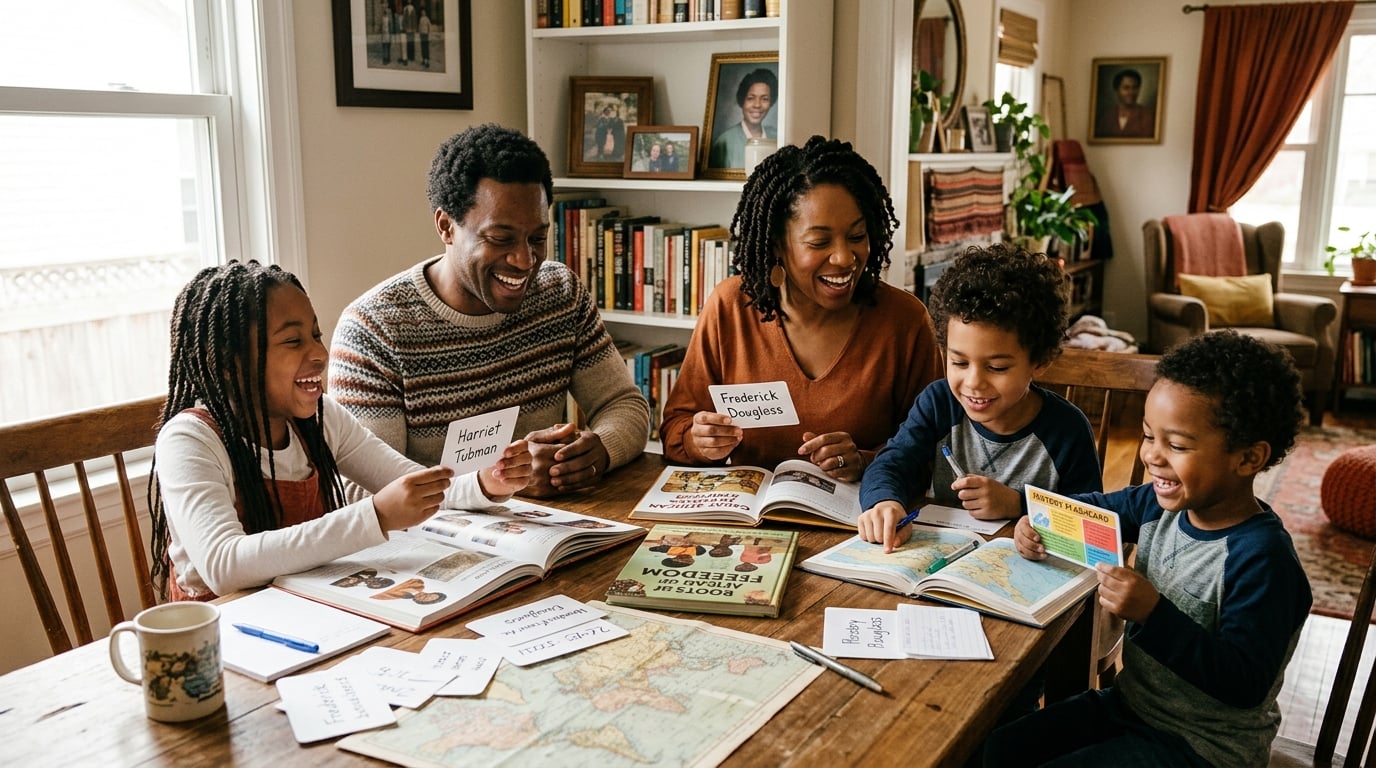
Black family learning together at home

Schools are doing what they’re designed to do — and in 2026, that increasingly means less Black history, not more.

HBCU funding has been cut. Black history programs are being legislated out of classrooms in state after state. The panels at historical sites are coming down. The textbooks are getting thinner.

But none of that reaches inside your home.

Your dinner table, your car rides, the cards on the refrigerator, the books on the shelf — that’s the curriculum that shapes who your child becomes. Not because school failed (though sometimes it has), but because you have something no school board can mandate: love, context, and a shared story.

You are not supplementing their education.

You are completing it.

Start Today — Not Next February

Black History Month is one month. Your child is growing up every day of the year.

The families who raise children who know who they are don’t wait for a special occasion. They make it routine. Breakfast. Bedtime. A card on the table. A name dropped in conversation. A question asked on the way to practice.

The Black History Flashcards are built for exactly this — 5 minutes a day, names and stories your child won’t get anywhere else. Over 500,000 sold, because parents like you already know: this work doesn’t wait.

Urban Intellectuals was founded by Freddie Taylor to put Black history back in Black homes — not behind a judge’s order or a school board’s permission. Browse the full collection at store.urbanintellectuals.com.

This work starts at home. And you don’t have to do it alone.

Ready to go deeper? Teaching your kids to see through covert racism is a natural next step — read Teaching Your Kids to See the Mask Before It Slips.

Don’t miss what matters.

Join the Urban Intellectuals family — history, culture, and tools for raising empowered Black children. Straight to your inbox.

[SUBSCRIBE] – Newsletter Tag Posts

0