15% off on your first order Click here to sign up

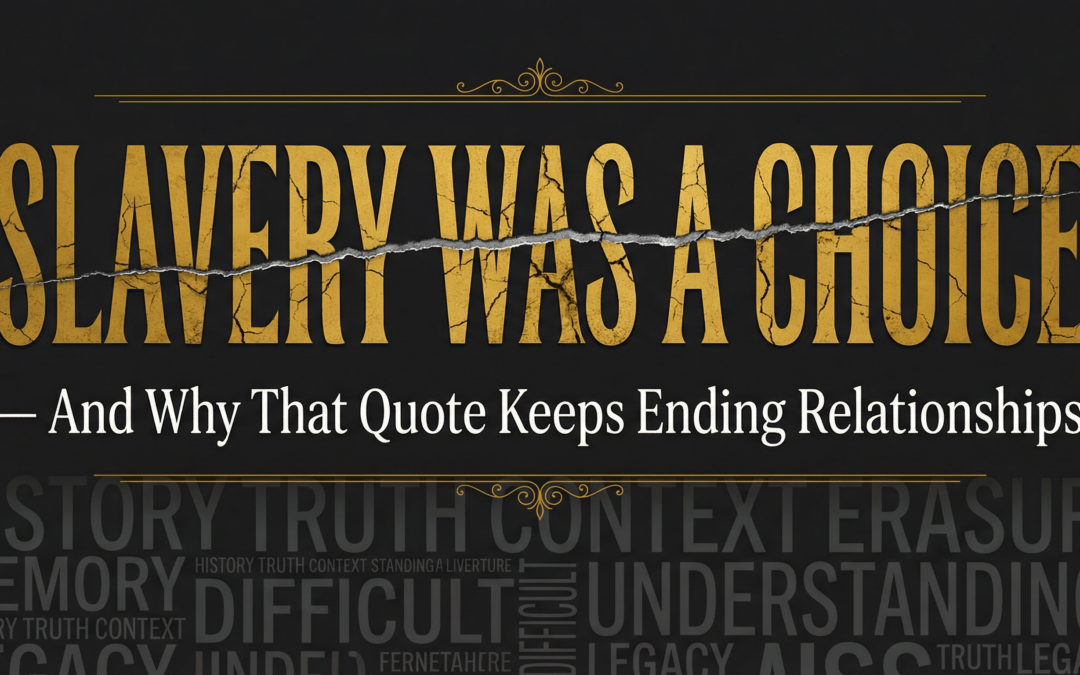
“Slavery Was a Choice” — And Why That Quote Keeps Ending Relationships

“Slavery Was a Choice” — And Why That Quote Keeps Ending Relationships

Someone said it again.

“Slavery was a choice.”

And somewhere, someone’s relationship ended because of it.

Not a stranger. Someone they thought they knew. Someone they were close to. And those four words revealed the distance between them was wider than they’d realized.

That moment went viral this week — the story of a person watching someone they cared about say, with conviction, that enslaved people simply chose their condition. And that was it. The deal was sealed.

People understood.

This Isn’t About One Quote

The reason this keeps happening — the reason it still lands like a gut punch every single time — is that this isn’t really about a quote.

It’s about what that quote reveals.

It reveals what someone has been taught. What they’ve absorbed. What they’ve never had to question because nobody in their world ever pushed back on it.

And it reveals something we need to sit with:

Miseducation isn’t passive. It has consequences.

When someone grows up with a version of history that strips enslaved people of their humanity, their resistance, their survival, their genius — they carry that into every relationship, every conversation, every moment where history becomes personal.

Which is why what we teach our children isn’t just an academic question.

What the History Actually Shows

Let’s be clear about what we know.

Enslaved people resisted. Constantly. Brilliantly. At enormous personal cost.

They ran. They organized. They sabotaged. They maintained culture, language, and faith under conditions designed to destroy all three. They built communities, educated themselves in secret when it was illegal to do so, and laid the economic foundation of a country that would spend two centuries arguing about whether they deserved basic rights.

They were not passive. They were not complicit. They were not making choices from the same menu the rest of us have access to.

That’s not opinion. That’s documented history with a paper trail going back 400 years.

The question isn’t whether this is true. The question is who gets taught this — and who gets something else instead.

Why the Miseducation Persists

Here’s what’s uncomfortable to acknowledge:

The version of history that produced “slavery was a choice” didn’t happen by accident.

Textbooks get written by committees. Curricula get approved by boards. What gets included, what gets emphasized, and what gets quietly left out — that’s a series of decisions made by people with interests and agendas.

The softening of slavery. The erasure of resistance. The framing of the Civil War as being “about states’ rights.” The reduction of Black history to a single month, a handful of names, a checklist of acceptable achievements.

These aren’t neutral educational choices. They’re choices that make certain conversations easier and others impossible.

And they produce adults who say things, with confidence, that reveal the gap between what they were given and what the record actually shows.

The Cost Shows Up in Relationships

What the viral post captured — what made thousands of people comment “same” — is that this gap doesn’t stay in classrooms.

It shows up at the dinner table. In a marriage. In a friendship you thought was solid.

And when it does, you have a choice about what to do with it. Some people try to bridge it. Some people can’t. Both responses are understandable.

What the post named is something real: there are some things a person can say that reveal a fundamental difference in how they see the world, the humanity of others, the weight of history.

And once you’ve seen it, it’s hard to unsee.

What We Can Do Instead

We can decide that our children aren’t going to grow up with that gap.

Not because we want to make them angry. Not because we want to burden them with history that’s painful.

But because the full story — the real story — is one of extraordinary people doing extraordinary things under extraordinary pressure. It’s a story worth knowing. Worth carrying. Worth passing on.

When our children know who Harriet Tubman actually was — not just the Underground Railroad version, but the military strategist, the spy, the woman who went back seventeen times — they don’t grow up thinking that enslaved people were passive participants in their own condition.

When they know about the Haitian Revolution, about Nat Turner, about the collective organizing that happened on plantations across the South, they understand that resistance was as much a part of slavery as the chains were.

That’s what real Black history education does. It fills the gap before someone else fills it wrong.

✊🏾 Join 500,000+ families keeping Black history alive at home.

Get tools, stories, and exclusive offers delivered to your inbox.

[SUBSCRIBE] - Newsletter Tag Posts

It Starts Earlier Than We Think

The conversations we have with children about history don’t have to be heavy. They can be curious. They can be proud. They can be the kind of thing that happens at the dinner table with a card in someone’s hand.

But they have to happen.

Because the alternative is that they grow up getting their history from wherever — textbooks that soften, social media that distorts, conversations with people who got their history from the same incomplete sources.

And someday they’ll say something, or they’ll hear something, and they’ll realize the gap.

We’d rather they know. Really know.

Know the Real Story

Black History Flashcards

52 cards. Real history. The stories they left out of the textbooks — in your hands.

Shop the Collection →

What Does This Bring Up for You?

Have you had a moment like the one in that post? A conversation that revealed how differently two people can understand the same history?

Drop a comment below or share this with someone who needs to read it today.

Because this isn’t just about one viral moment. It’s about what we carry, what we pass down, and what we refuse to let get buried.

Don’t miss what matters.

Join the Urban Intellectuals family — history, culture, and tools for raising empowered Black children. Straight to your inbox.
[SUBSCRIBE] - Newsletter Tag Posts
Meet Freddie Taylor: The Man Who Built a Black History Empire at Your Kitchen Table

Meet Freddie Taylor: The Man Who Built a Black History Empire at Your Kitchen Table

Twenty years ago, a man sat down and decided to do something most publishers said couldn’t sell.

He wanted to put Black history in the hands of Black families — not as a school assignment, not as a museum exhibit, but as something you could hold at the kitchen table, pass to your grandmother, show your kids before dinner.

That man is Freddie Taylor. And if you’ve found your way to Urban Intellectuals, you’ve already felt his work — even if you didn’t know his name.

Who Is Freddie Taylor?

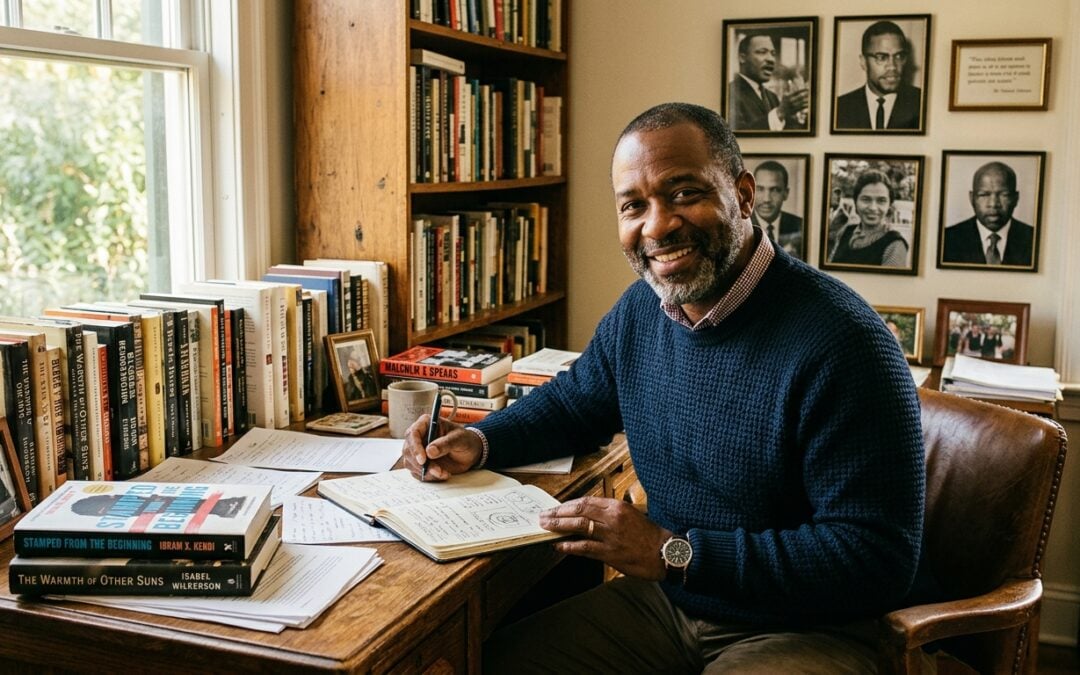
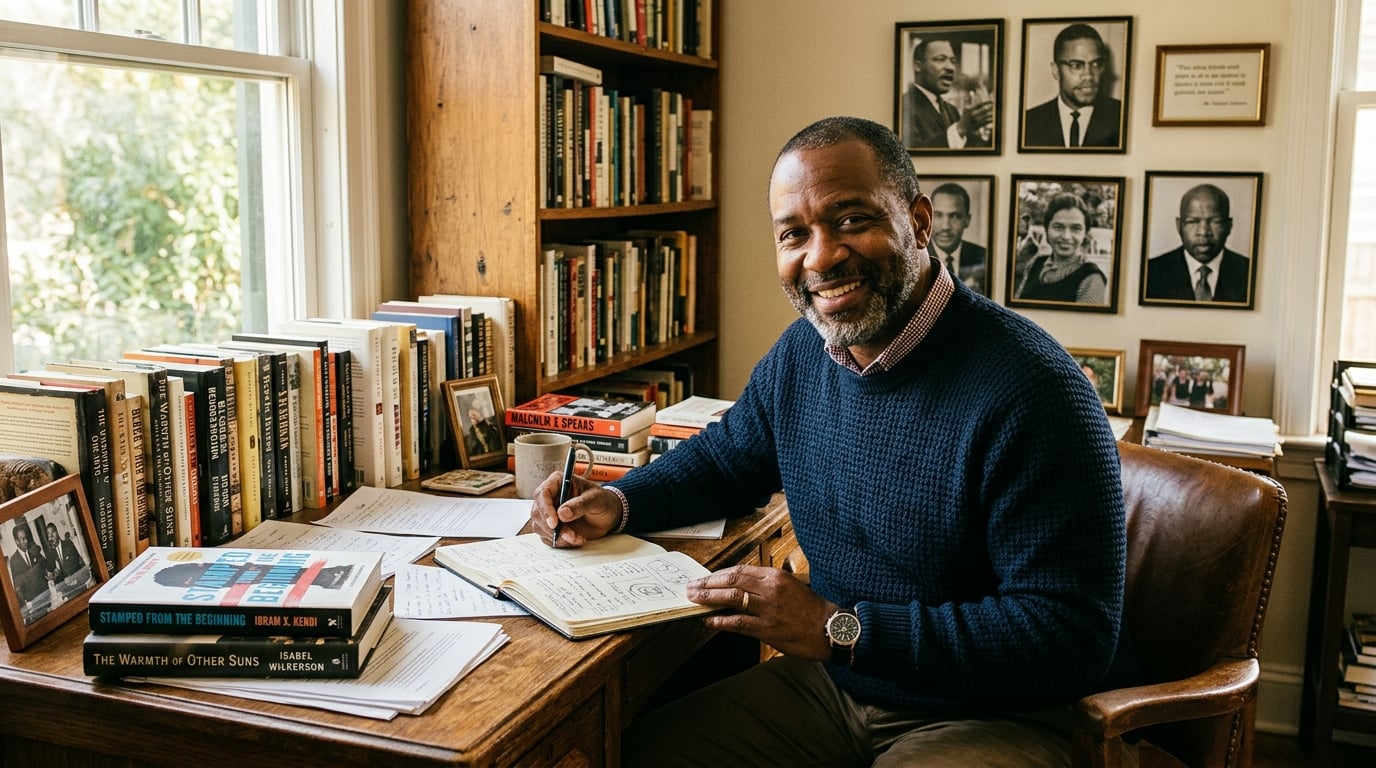
Freddie Taylor at his desk surrounded by Black history books

Freddie Taylor is the founder of Urban Intellectuals and the creator of the Black History Flashcard series — a collection of educational card decks covering everything from pre-1492 African history to the untold stories of Black women in science and academia.

But who he is can’t be reduced to a job title. Freddie is someone who grew up knowing something was missing from what he was being taught. That the history of Black people in America and across the diaspora was being sanitized, erased, or quietly removed from classrooms and curriculums.

He decided to do something about it. Not with a petition. With a product.

Why He Built What He Built

Black community members gathered in attentive discussion

The flashcard series started with a simple premise: what if every Black household in America had 52 cards that told the truth about who we are and where we came from?

Each volume contains 52 cards. That’s 52 entry points into history that the school system never gave us. Volume 1 covers the broad sweep of Black history and achievement. For the written companion, see 50 Truths They Tried to Erase: What They Didn’t Want You to Know. Volume 2 is dedicated entirely to Black women — the ones who don’t make it into the textbooks. Volume 3 digs into S.T.E.A.M. contributions. Volume 4 centers the Afro-Latino and Caribbean diaspora.

This wasn’t an accident. It was a mission with a plan.

“We built these to combat the miseducation and suppression of Black achievements around the globe,” Freddie has said. That’s not marketing language. That’s a purpose statement.

✊🏾 Join 500,000+ families keeping Black history alive at home.

Get tools, stories, and exclusive offers delivered to your inbox.

[SUBSCRIBE] - Newsletter Tag Posts

What Urban Intellectuals Actually Is

Want to understand the legal systems designed to suppress Black progress? Read our deep dive: Black Codes: Definition and Their Role in U.S. History.

People stumble onto Urban Intellectuals in different ways. Some come through a Facebook share. Some find us through a search. Some get a flashcard deck as a gift and then go looking for who made it.

What they find is a company built on one conviction: that knowing your history isn’t optional if you want your children to know who they are.

Urban Intellectuals isn’t a bookstore. It’s not a curriculum company. It’s something closer to a cultural infrastructure project — building the tools that Black families need to have the conversations that matter.

The flashcard decks. The wall calendars. The books. Freddie’s writing. All of it is connected to that same thread: telling the truth, in formats you can actually use.

The 50 Truths That Changed Everything

Grandfather and grandchildren learning from Black history flashcards

Freddie recently released 50 Truths They Tried to Erase — a book that does exactly what the title promises. It goes into the history that got buried, the leaders who were erased, the resistance movements that never made it into mainstream accounts.

This is the kind of work that only gets made by someone who’s been thinking about this for decades. Not a researcher collecting facts for a dissertation, but someone who has lived with the urgency of this history and believes deeply that you deserve to know it too.

The book has been flying off the digital shelves. If you haven’t picked it up yet, that’s worth fixing.

Why People Keep Coming Back

Here’s what I notice about this community: people don’t just buy once and disappear. They come back. They bring their mothers. They order extra decks for grandparents. They share posts in group chats.

That’s not a coincidence. It’s what happens when something is actually built for you — not for a test market, not for a trend cycle, but for the specific need you’ve been carrying your whole life.

Freddie built Urban Intellectuals for people who already knew the deal. Who already felt the weight of what was missing. Who just needed someone to show up and say: here it is. Here’s the real history. Here are the names. Here are the tools.

How to Get Started

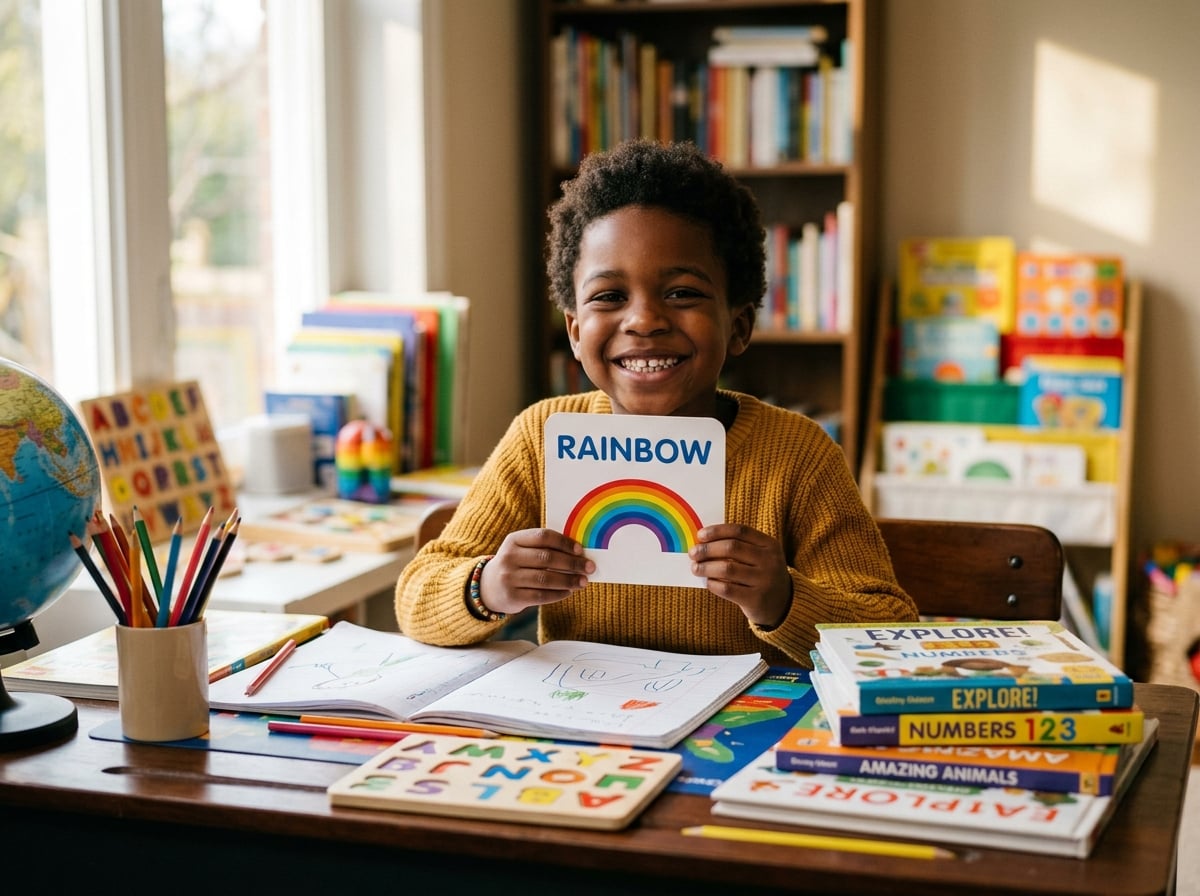
Black child holding up a Black history flashcard with pride

If you’re new here, start with the flashcards. Browse the full collection here — there are volumes for different focuses and bundles that let you build out a complete home library of Black history at a fraction of what individual decks would cost.

If you want to go deeper, pick up 50 Truths They Tried to Erase. Read it yourself first. Then give it to the young people in your life and watch their understanding of who they are shift.

And if you’ve been here a while — welcome back. You already know why this matters. The question now is who else in your circle needs to find this community.

We’re here. We’ve been building. And we’re just getting started.

What brought you to Urban Intellectuals? Drop it in the comments — I’d love to know.

Love, peace, and power to the people.
— Freddie

And if you’ve already ordered the flashcards, we wrote something just for you: what it means when a Black family invests in Black history — and what comes next.

Don’t miss what matters.

Join the Urban Intellectuals family — history, culture, and tools for raising empowered Black children. Straight to your inbox.
[SUBSCRIBE] - Newsletter Tag Posts
Meet Freddie Taylor: The Man Behind Urban Intellectuals and Why He Built It

Meet Freddie Taylor: The Man Behind Urban Intellectuals and Why He Built It

🎙️ LISTEN TO THIS ARTICLE

Prefer to listen? We turned this article into a podcast conversation.

If you’ve spent any time on Urban Intellectuals — reading the articles, going through the flashcards, finding history you were never taught in school — there’s someone behind all of it. His name is Freddie Taylor. And if you’re just now discovering this community, you should know who he is.

Because this isn’t just a website. It’s a mission. And it started with one man who got tired of Black history being treated like a footnote.

Who Is Freddie Taylor?

Freddie Taylor is the founder of Urban Intellectuals, one of the largest Black history education platforms in the United States. He built this community over more than a decade, starting with social media posts that resonated deeply — stories of resistance, culture, and achievement that weren’t being told anywhere else.

But Freddie isn’t just a content creator. He’s an educator, author, and advocate who believes that knowing your history changes how you move through the world. That when Black children see the full scope of what their ancestors built, survived, and created — it transforms them.

That belief became a platform. The platform became a community. The community became a movement.

What He Built — And Why

Urban Intellectuals started as a simple idea: what if Black history was presented in a way that made people excited to learn? Not dry textbook recitations. Not sanitized, comfortable versions that left out the struggle and the genius. Real history. Full history. The kind that makes you put your phone down and say “wait, I never knew that.

Freddie created the Black History Flashcards — now used by hundreds of thousands of families — because he wanted parents to have a tool. Something they could use at the dinner table, in the car, during family game night. A way to pass on knowledge that the school system wasn’t passing on.

And then he wrote 50 Truths They Tried to Erase — a book that goes deeper. Into the history of resistance and Black power and cultural survival. Into the facts that were deliberately buried. Into the story of a people who kept building, kept creating, kept standing, no matter what was thrown at them.

Black history books on a family bookshelf

Why People Are Finding Freddie Now

In a moment where Black history is being banned in classrooms, where curriculum rollbacks are making headlines, where parents are asking “where do I go when school won’t teach my child the truth?” — they’re finding Urban Intellectuals.

They’re finding Freddie’s work because it fills a real gap. Because it doesn’t water things down. Because it respects both the intelligence of the reader and the weight of the history.

And because it’s clearly made by someone who cares. Deeply. Personally. With the kind of conviction that you can feel in every article, every flashcard, every chapter.

✊🏾 Join 500,000+ families keeping Black history alive at home.

Get tools, stories, and exclusive offers delivered to your inbox.

[SUBSCRIBE] – Newsletter Tag Posts

What Urban Intellectuals Stands For

Freddie built Urban Intellectuals on a few core beliefs:

  • History is identity. You cannot know where you’re going if you don’t know where you came from.
  • Education is an act of resistance. Especially when that education has been systematically withheld.
  • Community changes everything. Learning in isolation is hard. Learning together — with tools, stories, and shared commitment — is transformative.
  • Black children deserve to see themselves fully. Not as victims. As innovators, leaders, builders, and survivors.

These aren’t just taglines. They’re the architecture of everything you’ll find here.

Where to Start

If you’re new to Urban Intellectuals, here’s what Freddie’s built that you should know about:

The Black History Flashcards — The flagship product. Designed for families, classrooms, and anyone who wants a daily dose of real Black history. Thousands of facts, figures, events, and stories across every era and category. Browse the full collection here.

50 Truths They Tried to Erase — Freddie’s book. The one that people keep recommending to each other in group chats. A deep dive into Black power, culture, and resistance — the chapters that history class never reached. Get the book here.

The Blog — Articles like this one. Deep dives into history, culture, parenting, and the current moment. Written for people who want context, not just content.

50 Truths They Tried to Erase book by Freddie Taylor

Why This Work Matters Right Now

This isn’t abstract. In 2025 and 2026, states across the country have passed laws restricting what can be taught in public schools about race, slavery, and Black history. Books are being removed from library shelves. Teachers are being told what they cannot say in front of children.

In that environment, platforms like Urban Intellectuals don’t just fill a gap — they become essential infrastructure. A place where the record gets kept. Where the stories survive. Where families can find what institutions have decided to hide.

Freddie Taylor built this before it was urgent. Which means it was ready when urgency arrived.

If you’re here for the first time, you’re in the right place. Look around. The history has been waiting for you.

Recommended

Black History Flashcards

The go-to tool for families who want real Black history — at the dinner table, in the car, every day.

Shop the Flashcards →

Don’t miss what matters.

Join the Urban Intellectuals family — history, culture, and tools for raising empowered Black children. Straight to your inbox.

[SUBSCRIBE] – Newsletter Tag Posts

50 Truths They Tried to Erase: Why Freddie Taylor’s Book Is Exactly What This Moment Needs

50 Truths They Tried to Erase: Why Freddie Taylor’s Book Is Exactly What This Moment Needs

🎙️ LISTEN TO THIS ARTICLE

Prefer to listen? We turned this article into a podcast conversation.

There’s a reason this book keeps showing up in people’s search results, group chats, and wishlists. A reason people who’ve never heard of Urban Intellectuals are suddenly finding their way to a page called 50 Truths They Tried to Erase.

The title does exactly what Freddie Taylor intended it to do: it tells you the truth before you even open the cover. They tried to erase this. You’re about to find it anyway.

This is what the book is, why it was written, and why you need it on your shelf right now — not eventually, not as a gift for someone else. Now.

What “They Tried to Erase” Actually Means

Open history book with handwritten notes and annotations

Let’s not be coy about it. The erasure of Black history, Black power, and Black resistance has never been accidental. It’s been a project — with funding, with policy, with active suppression in schools, in publishing, in what gets preserved and what gets quietly allowed to disappear.

The past few years have made this more visible, not less. Book bans targeting Black history in classrooms. Curriculum changes rolling back discussions of race and slavery. State-level laws restricting what teachers can say about American history in front of children who are living American history every day.

Freddie Taylor wrote 50 Truths They Tried to Erase: Black Power, Culture, and Resistance, Uncovered in direct response to this moment. Not as a reactive document. As a permanent record.

The Power in the Title

Well-loved Black history books on a home library shelf

The word “uncovered” in that subtitle matters. This isn’t a book about victimhood. It’s a book about resilience, resistance, and the communities and individuals who built culture, power, and joy in the face of systematic suppression.

Fifty truths. Fifty entry points into a version of history that the mainstream curriculum has always been reluctant to teach with the fullness it deserves.

Think about what your children currently know about Black resistance movements in America. About Black Power as a political and cultural force. About the specific figures — many of them women, many of them young people — who built the infrastructure of resistance that the movements we do celebrate were built on top of.

Most of them know fragments. Freddie wrote a book to fill in what’s missing.

✊🏾 Join 500,000+ families keeping Black history alive at home.

Get tools, stories, and exclusive offers delivered to your inbox.

[SUBSCRIBE] – Newsletter Tag Posts

Why This Book Hits Different Right Now

We’re in a particular moment in American history. The suppression of Black history education has moved from quiet to loud, from subtext to policy. It’s being argued about in school board meetings, in state legislatures, in the highest courts in the country.

In that context, a book called 50 Truths They Tried to Erase isn’t just educational. It’s a statement. It’s an act of preservation. It says: we know what you’re doing, and we’re writing it down anyway.

This is the same energy that drove the creation of the Black History Flashcard series. The same energy that has driven Urban Intellectuals for two decades. The conviction that our history is worth preserving, that our children are worth educating, and that we don’t have to wait for the curriculum to catch up to do it ourselves.

Who This Book Is For

Black mother and daughter reading together on a porch swing

This book is for the parent who has been having these conversations at the kitchen table but wants more material, more names, more specifics to bring.

It’s for the grandparent who lived through some of this history and wants their grandchildren to understand what that era actually felt like from the inside.

It’s for the young adult who grew up with the sanitized version and is now discovering, piece by piece, how much was left out.

It’s for the book club that wants to go deeper than the titles that get mainstream press coverage.

And it’s for anyone who believes, as Freddie does, that an informed community is a protected community. That the best inoculation against propaganda is knowledge.

How to Use It in Your Family

Black adults in animated book club discussion in a living room

Read it yourself first. Mark the sections that hit you hardest. Then come back to those sections with your kids.

Use it the same way you might use the Black History Flashcards — not as a lecture, but as a conversation starter. “Did you know this?” “What do you think about that?” “Have you heard of this person before?”

The flashcards give you 52 entry points per volume. The book gives you 50 more. Together they’re the beginning of a home curriculum that doesn’t depend on whether your school district has decided your children deserve the truth this year.

We know they do. We’ve always known that.

Where to Get It

You can find 50 Truths They Tried to Erase directly at the Urban Intellectuals store. It ships fast, and if you want to build out a full home library, pair it with the flashcard collection — multiple volumes covering Black history from the pre-1492 era through S.T.E.A.M., women’s history, and the Afro-Latino and Caribbean diaspora.

This is the kind of infrastructure that doesn’t disappear when a school board votes. It’s yours. It lives in your home.

Who in your family needs this book most right now? Tag them. Send this to them. Let them know you found it.

Love, peace, and power to the people.
— Freddie

Don’t miss what matters.

Join the Urban Intellectuals family — history, culture, and tools for raising empowered Black children. Straight to your inbox.
[SUBSCRIBE] – Newsletter Tag Posts

Druski Isn’t Robinson: What the Difference Tells Us About How We Raise Our Kids

Druski Isn’t Robinson: What the Difference Tells Us About How We Raise Our Kids

Black Twitter has been making a distinction that a lot of people in our community already understand instinctively: not every Black celebrity who stays quiet is MAGA. And not every Black face that shows up at the right rally represents our community.

The conversation swirling around Druski — and the pointed contrast being drawn with figures like Mark Robinson — is one of those moments that reveals something important about how we navigate celebrity, politics, and Blackness in 2026.

This isn’t just Twitter discourse. It’s a parenting conversation. It’s a “what do I tell my kids” conversation. And we need to have it with our full chest.

What the Conversation Is Really About

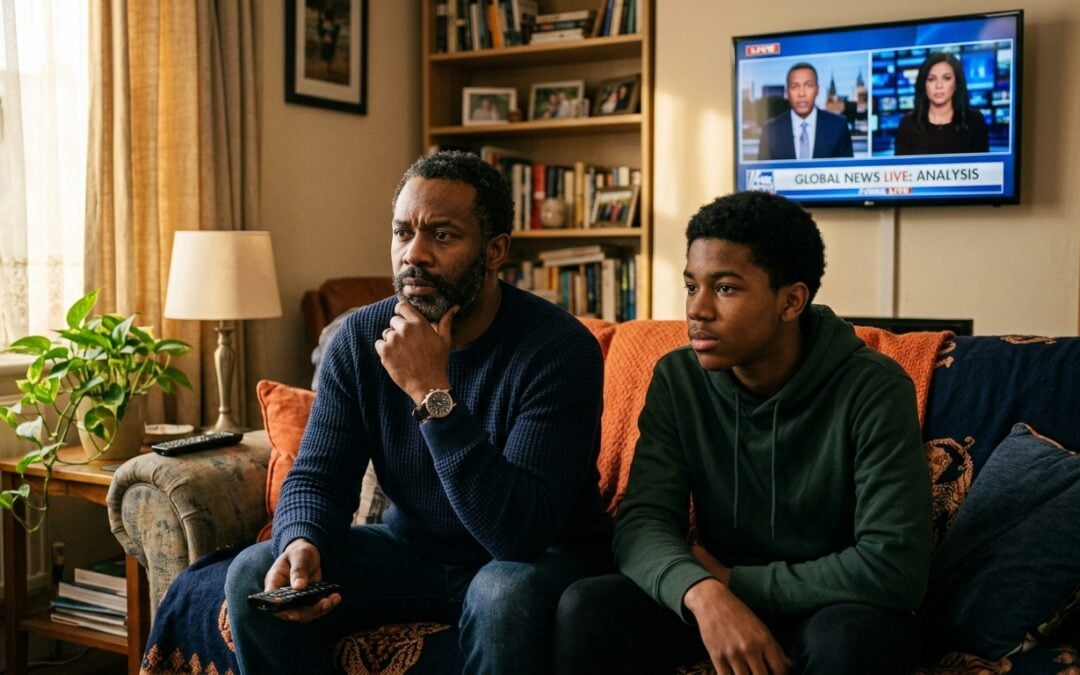
Black father and son watching the news and discussing it together

When Black folks online say “Druski is not part of her MAGA clan like that Robinson,” they’re drawing a line. Not an endorsement of Druski. Not a takedown of someone for being imperfect. They’re naming a difference between someone who hasn’t publicly aligned themselves with an anti-Black political movement and someone who actively did.

Mark Robinson — the former North Carolina Lieutenant Governor candidate — became a symbol of the specific kind of Black political alignment that the community reserves its deepest critique for. Not just “he disagrees with us politically.” But: he aligned himself with a movement that has historically targeted Black people, Black voters, and Black institutions. With their full chest.

The distinction matters. And our kids need to understand why.

Teaching Our Kids to See the Difference

Black mother and children having a discussion about news at the kitchen table

Here’s what I tell my kids when these conversations come up: not every Black person is your ally. Not every Black face represents Black interests. History has given us this lesson over and over again — and it’s not cynicism, it’s literacy.

We’ve had Black sheriffs who enforced plantation law. Black overseers. Black political figures who aligned with systems designed to harm Black communities in exchange for proximity to power. This pattern didn’t end in the 1800s. It has a very modern face.

The flip side is also true: someone being entertaining, likable, or non-political doesn’t make them an enemy either. Silence isn’t the same as betrayal. This is a nuance worth teaching.

When your child asks “why does it matter who he votes for?” — that’s your opening. That’s the conversation.

✊🏾 Join 500,000+ families keeping Black history alive at home.

Get tools, stories, and exclusive offers delivered to your inbox.

[SUBSCRIBE] - Newsletter Tag Posts

The History Behind the Pattern

This isn’t new. What makes it feel new is social media — the speed at which these moments go viral, the clarity with which communities can now signal their readings of Black public figures in real time.

But the underlying dynamic goes back centuries. Frederick Douglass wrote about it. Ida B. Wells navigated it. The civil rights movement had its own versions of it — figures who appeared on the right side of the cameras but worked against the movement behind the scenes.

Knowing this history doesn’t make you paranoid. It makes you prepared. It gives you a framework for reading the present that isn’t just reaction — it’s recognition.

That’s what we’re trying to give our children. Not bitterness. Not cynicism. Recognition.

Why Celebrity Alignment Gets Under Our Skin

Black teenager critically examining media on their phone

There’s a reason it hits different when a Black celebrity publicly aligns with movements that harm Black communities. It’s not that we own Black people’s political beliefs. It’s not that we require ideological uniformity.

It’s that representation carries weight. Whether celebrities want it or not, children see them. Young people build identities partly by watching who the people they admire choose to be in the world.

When someone with platform and reach uses it to validate narratives that have historically been used to suppress Black votes, dismantle Black institutions, or erase Black history — that’s not just a personal political choice. That has a downstream impact.

Our kids are watching. They’re forming their sense of what’s possible, what’s acceptable, and who they can trust. That’s why we talk about it at the kitchen table.

What to Actually Say to Your Kids

If this conversation came up in your house — around the news, around social media, around something your kid saw — here’s what’s worth saying:

First: Black people are not a monolith. We have always had internal disagreements, different political beliefs, different strategies for survival. That’s human. That’s community.

Second: Alignment with power is a choice that carries consequences. When someone publicly aligns with a movement — any movement — they are lending their name and their audience to it. That matters.

Third: The best defense against being misled is knowing your history. When you know what happened to Black communities under different political regimes — when you can name the laws, the figures, the outcomes — you have a framework that doesn’t bend just because someone famous endorses something.

That third one is everything. That’s why we build what we build here.

History as Protection

Black child holding up a history flashcard with pride and confidence

We’ve said this before and we’ll keep saying it: a child who knows their history is harder to fool.

When your kid knows who Fannie Lou Hamer was — what she fought for, what she survived, what she built — they have context. When they know about the Civil Rights Act, the Voting Rights Act, the ways those protections have been systematically challenged, they can look at current events and see the pattern.

That’s not a radical idea. That’s just education. The Black History Flashcard series we built exists precisely for this reason. Not as a quiz game. As a foundation. 52 cards per volume — each one a story, a name, a context that builds the framework your child needs to navigate the world they’re growing up in.

The conversation around Druski and Robinson is happening in your family whether you initiate it or not. The question is whether your kids have the historical tools to understand what they’re seeing.

What conversations has this moment sparked in your household? I want to hear from you.

Love, peace, and power to the people.
— Freddie

Don’t miss what matters.

Join the Urban Intellectuals family — history, culture, and tools for raising empowered Black children. Straight to your inbox.

[SUBSCRIBE] - Newsletter Tag Posts

Related: I love a good Uno Reverse — When the tables turn and the community responds with wit and wisdom.

Meet Freddie Taylor: The Man Who Built a Black History Empire at Your Kitchen Table

Meet Freddie Taylor: The Man Who Built a Black History Empire at Your Kitchen Table

Twenty years ago, a man sat down and decided to do something most publishers said couldn’t sell.

He wanted to put Black history in the hands of Black families — not as a school assignment, not as a museum exhibit, but as something you could hold at the kitchen table, pass to your grandmother, show your kids before dinner.

That man is Freddie Taylor. And if you’ve found your way to Urban Intellectuals, you’ve already felt his work — even if you didn’t know his name.

Who Is Freddie Taylor?

Freddie Taylor at his desk surrounded by Black history books

Freddie Taylor is the founder of Urban Intellectuals and the creator of the Black History Flashcard series — a collection of educational card decks covering everything from pre-1492 African history to the untold stories of Black women in science and academia.

📖 You might also like: Meet Freddie Taylor: The Man Behind Urban Intellectuals and Why He Built It

But who he is can’t be reduced to a job title. Freddie is someone who grew up knowing something was missing from what he was being taught. That the history of Black people in America and across the diaspora was being sanitized, erased, or quietly removed from classrooms and curriculums.

He decided to do something about it. Not with a petition. With a product.

Why He Built What He Built

Black community members gathered in attentive discussion

The flashcard series started with a simple premise: what if every Black household in America had 52 cards that told the truth about who we are and where we came from?

Each volume contains 52 cards. That’s 52 entry points into history that the school system never gave us. Volume 1 covers the broad sweep of Black history and achievement. Volume 2 is dedicated entirely to Black women — the ones who don’t make it into the textbooks. Volume 3 digs into S.T.E.A.M. contributions. Volume 4 centers the Afro-Latino and Caribbean diaspora.

This wasn’t an accident. It was a mission with a plan.

“We built these to combat the miseducation and suppression of Black achievements around the globe,” Freddie has said. That’s not marketing language. That’s a purpose statement.

✊🏾 Join 500,000+ families keeping Black history alive at home.

Get tools, stories, and exclusive offers delivered to your inbox.

[SUBSCRIBE] – Newsletter Tag Posts

What Urban Intellectuals Actually Is

People stumble onto Urban Intellectuals in different ways. Some come through a Facebook share. Some find us through a search. Some get a flashcard deck as a gift and then go looking for who made it.

What they find is a company built on one conviction: that knowing your history isn’t optional if you want your children to know who they are.

Urban Intellectuals isn’t a bookstore. It’s not a curriculum company. It’s something closer to a cultural infrastructure project — building the tools that Black families need to have the conversations that matter.

The flashcard decks. The wall calendars. The books. Freddie’s writing. All of it is connected to that same thread: telling the truth, in formats you can actually use.

The 50 Truths That Changed Everything

Grandfather and grandchildren learning from Black history flashcards

Freddie recently released 50 Truths They Tried to Erase — a book that does exactly what the title promises. It goes into the history that got buried, the leaders who were erased, the resistance movements that never made it into mainstream accounts.

This is the kind of work that only gets made by someone who’s been thinking about this for decades. Not a researcher collecting facts for a dissertation, but someone who has lived with the urgency of this history and believes deeply that you deserve to know it too.

The book has been flying off the digital shelves. If you haven’t picked it up yet, that’s worth fixing.

Why People Keep Coming Back

Here’s what I notice about this community: people don’t just buy once and disappear. They come back. They bring their mothers. They order extra decks for grandparents. They share posts in group chats.

That’s not a coincidence. It’s what happens when something is actually built for you — not for a test market, not for a trend cycle, but for the specific need you’ve been carrying your whole life.

Freddie built Urban Intellectuals for people who already knew the deal. Who already felt the weight of what was missing. Who just needed someone to show up and say: here it is. Here’s the real history. Here are the names. Here are the tools.

Looking for a fresh take on Freddie’s story? Read our updated piece: Meet Freddie Taylor: The Man Who Built a Black History Empire at Your Kitchen Table.

How to Get Started

Black child holding up a Black history flashcard with pride

If you’re new here, start with the flashcards. Browse the full collection here — there are volumes for different focuses and bundles that let you build out a complete home library of Black history at a fraction of what individual decks would cost.

If you want to go deeper, pick up 50 Truths They Tried to Erase. Read it yourself first. Then give it to the young people in your life and watch their understanding of who they are shift.

And if you’ve been here a while — welcome back. You already know why this matters. The question now is who else in your circle needs to find this community.

We’re here. We’ve been building. And we’re just getting started.

What brought you to Urban Intellectuals? Drop it in the comments — I’d love to know.

Love, peace, and power to the people.
— Freddie

Don’t miss what matters.

Join the Urban Intellectuals family — history, culture, and tools for raising empowered Black children. Straight to your inbox.

[SUBSCRIBE] – Newsletter Tag Posts

0