15% off on your first order Click here to sign up

Meet Freddie Taylor: The Man Behind Urban Intellectuals and Why He Built It

Meet Freddie Taylor: The Man Behind Urban Intellectuals and Why He Built It

🎙️ LISTEN TO THIS ARTICLE

Prefer to listen? We turned this article into a podcast conversation.

If you’ve spent any time on Urban Intellectuals — reading the articles, going through the flashcards, finding history you were never taught in school — there’s someone behind all of it. His name is Freddie Taylor. And if you’re just now discovering this community, you should know who he is.

Because this isn’t just a website. It’s a mission. And it started with one man who got tired of Black history being treated like a footnote.

Who Is Freddie Taylor?

Freddie Taylor is the founder of Urban Intellectuals, one of the largest Black history education platforms in the United States. He built this community over more than a decade, starting with social media posts that resonated deeply — stories of resistance, culture, and achievement that weren’t being told anywhere else.

But Freddie isn’t just a content creator. He’s an educator, author, and advocate who believes that knowing your history changes how you move through the world. That when Black children see the full scope of what their ancestors built, survived, and created — it transforms them.

That belief became a platform. The platform became a community. The community became a movement.

What He Built — And Why

Urban Intellectuals started as a simple idea: what if Black history was presented in a way that made people excited to learn? Not dry textbook recitations. Not sanitized, comfortable versions that left out the struggle and the genius. Real history. Full history. The kind that makes you put your phone down and say “wait, I never knew that.

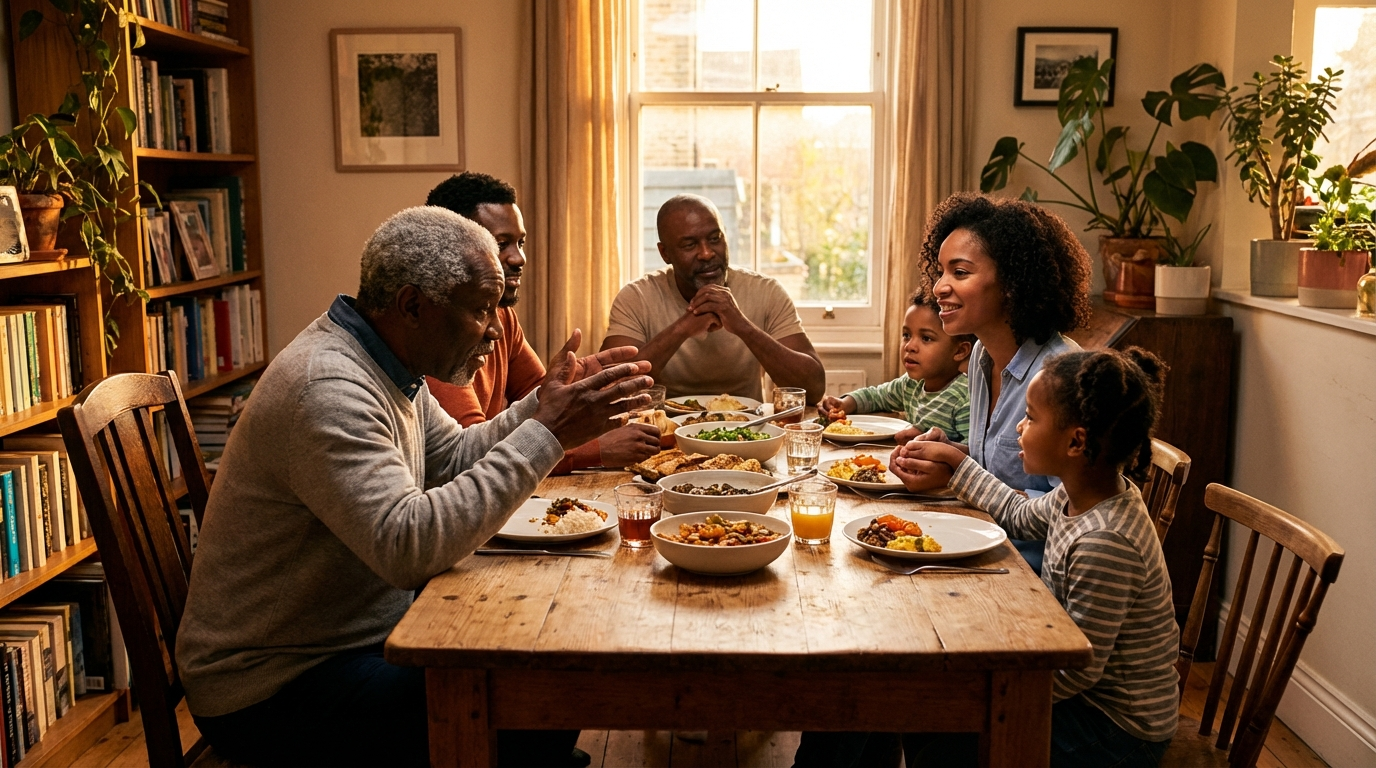
Freddie created the Black History Flashcards — now used by hundreds of thousands of families — because he wanted parents to have a tool. Something they could use at the dinner table, in the car, during family game night. A way to pass on knowledge that the school system wasn’t passing on.

And then he wrote 50 Truths They Tried to Erase — a book that goes deeper. Into the history of resistance and Black power and cultural survival. Into the facts that were deliberately buried. Into the story of a people who kept building, kept creating, kept standing, no matter what was thrown at them.

Black history books on a family bookshelf

Why People Are Finding Freddie Now

In a moment where Black history is being banned in classrooms, where curriculum rollbacks are making headlines, where parents are asking “where do I go when school won’t teach my child the truth?” — they’re finding Urban Intellectuals.

They’re finding Freddie’s work because it fills a real gap. Because it doesn’t water things down. Because it respects both the intelligence of the reader and the weight of the history.

And because it’s clearly made by someone who cares. Deeply. Personally. With the kind of conviction that you can feel in every article, every flashcard, every chapter.

✊🏾 Join 500,000+ families keeping Black history alive at home.

Get tools, stories, and exclusive offers delivered to your inbox.

[SUBSCRIBE] – Newsletter Tag Posts

What Urban Intellectuals Stands For

Freddie built Urban Intellectuals on a few core beliefs:

  • History is identity. You cannot know where you’re going if you don’t know where you came from.
  • Education is an act of resistance. Especially when that education has been systematically withheld.
  • Community changes everything. Learning in isolation is hard. Learning together — with tools, stories, and shared commitment — is transformative.
  • Black children deserve to see themselves fully. Not as victims. As innovators, leaders, builders, and survivors.

These aren’t just taglines. They’re the architecture of everything you’ll find here.

Where to Start

If you’re new to Urban Intellectuals, here’s what Freddie’s built that you should know about:

The Black History Flashcards — The flagship product. Designed for families, classrooms, and anyone who wants a daily dose of real Black history. Thousands of facts, figures, events, and stories across every era and category. Browse the full collection here.

50 Truths They Tried to Erase — Freddie’s book. The one that people keep recommending to each other in group chats. A deep dive into Black power, culture, and resistance — the chapters that history class never reached. Get the book here.

The Blog — Articles like this one. Deep dives into history, culture, parenting, and the current moment. Written for people who want context, not just content.
50 Truths They Tried to Erase book by Freddie Taylor

Why This Work Matters Right Now

This isn’t abstract. In 2025 and 2026, states across the country have passed laws restricting what can be taught in public schools about race, slavery, and Black history. Books are being removed from library shelves. Teachers are being told what they cannot say in front of children.

In that environment, platforms like Urban Intellectuals don’t just fill a gap — they become essential infrastructure. A place where the record gets kept. Where the stories survive. Where families can find what institutions have decided to hide.

Freddie Taylor built this before it was urgent. Which means it was ready when urgency arrived.

If you’re here for the first time, you’re in the right place. Look around. The history has been waiting for you.

Recommended

Black History Flashcards

The go-to tool for families who want real Black history — at the dinner table, in the car, every day.

Shop the Flashcards →

Don’t miss what matters.

Join the Urban Intellectuals family — history, culture, and tools for raising empowered Black children. Straight to your inbox.


[SUBSCRIBE] – Newsletter Tag Posts

50 Truths They Tried to Erase: Why Freddie Taylor’s Book Is Exactly What This Moment Needs

50 Truths They Tried to Erase: Why Freddie Taylor’s Book Is Exactly What This Moment Needs

🎙️ LISTEN TO THIS ARTICLE

Prefer to listen? We turned this article into a podcast conversation.

There’s a reason this book keeps showing up in people’s search results, group chats, and wishlists. A reason people who’ve never heard of Urban Intellectuals are suddenly finding their way to a page called 50 Truths They Tried to Erase.

The title does exactly what Freddie Taylor intended it to do: it tells you the truth before you even open the cover. They tried to erase this. You’re about to find it anyway.

This is what the book is, why it was written, and why you need it on your shelf right now — not eventually, not as a gift for someone else. Now.

What “They Tried to Erase” Actually Means

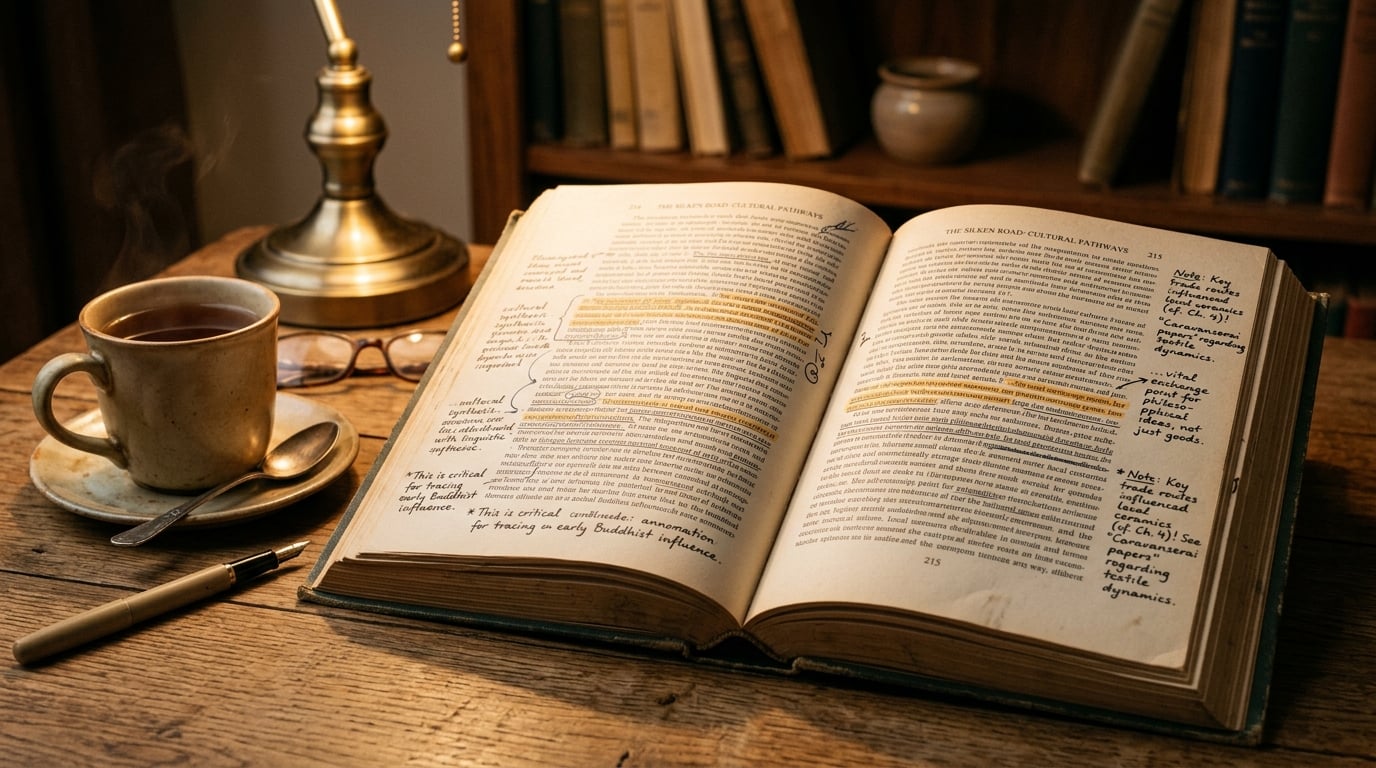
Open history book with handwritten notes and annotations

Let’s not be coy about it. The erasure of Black history, Black power, and Black resistance has never been accidental. It’s been a project — with funding, with policy, with active suppression in schools, in publishing, in what gets preserved and what gets quietly allowed to disappear.

The past few years have made this more visible, not less. Book bans targeting Black history in classrooms. Curriculum changes rolling back discussions of race and slavery. State-level laws restricting what teachers can say about American history in front of children who are living American history every day.

Freddie Taylor wrote 50 Truths They Tried to Erase: Black Power, Culture, and Resistance, Uncovered in direct response to this moment. Not as a reactive document. As a permanent record.

The Power in the Title

Well-loved Black history books on a home library shelf

The word “uncovered” in that subtitle matters. This isn’t a book about victimhood. It’s a book about resilience, resistance, and the communities and individuals who built culture, power, and joy in the face of systematic suppression.

Fifty truths. Fifty entry points into a version of history that the mainstream curriculum has always been reluctant to teach with the fullness it deserves.

Think about what your children currently know about Black resistance movements in America. About Black Power as a political and cultural force. About the specific figures — many of them women, many of them young people — who built the infrastructure of resistance that the movements we do celebrate were built on top of.

Most of them know fragments. Freddie wrote a book to fill in what’s missing.

✊🏾 Join 500,000+ families keeping Black history alive at home.

Get tools, stories, and exclusive offers delivered to your inbox.

[SUBSCRIBE] – Newsletter Tag Posts

Why This Book Hits Different Right Now

We’re in a particular moment in American history. The suppression of Black history education has moved from quiet to loud, from subtext to policy. It’s being argued about in school board meetings, in state legislatures, in the highest courts in the country.

In that context, a book called 50 Truths They Tried to Erase isn’t just educational. It’s a statement. It’s an act of preservation. It says: we know what you’re doing, and we’re writing it down anyway.

This is the same energy that drove the creation of the Black History Flashcard series. The same energy that has driven Urban Intellectuals for two decades. The conviction that our history is worth preserving, that our children are worth educating, and that we don’t have to wait for the curriculum to catch up to do it ourselves.

Who This Book Is For

Black mother and daughter reading together on a porch swing

This book is for the parent who has been having these conversations at the kitchen table but wants more material, more names, more specifics to bring.

It’s for the grandparent who lived through some of this history and wants their grandchildren to understand what that era actually felt like from the inside.

It’s for the young adult who grew up with the sanitized version and is now discovering, piece by piece, how much was left out.

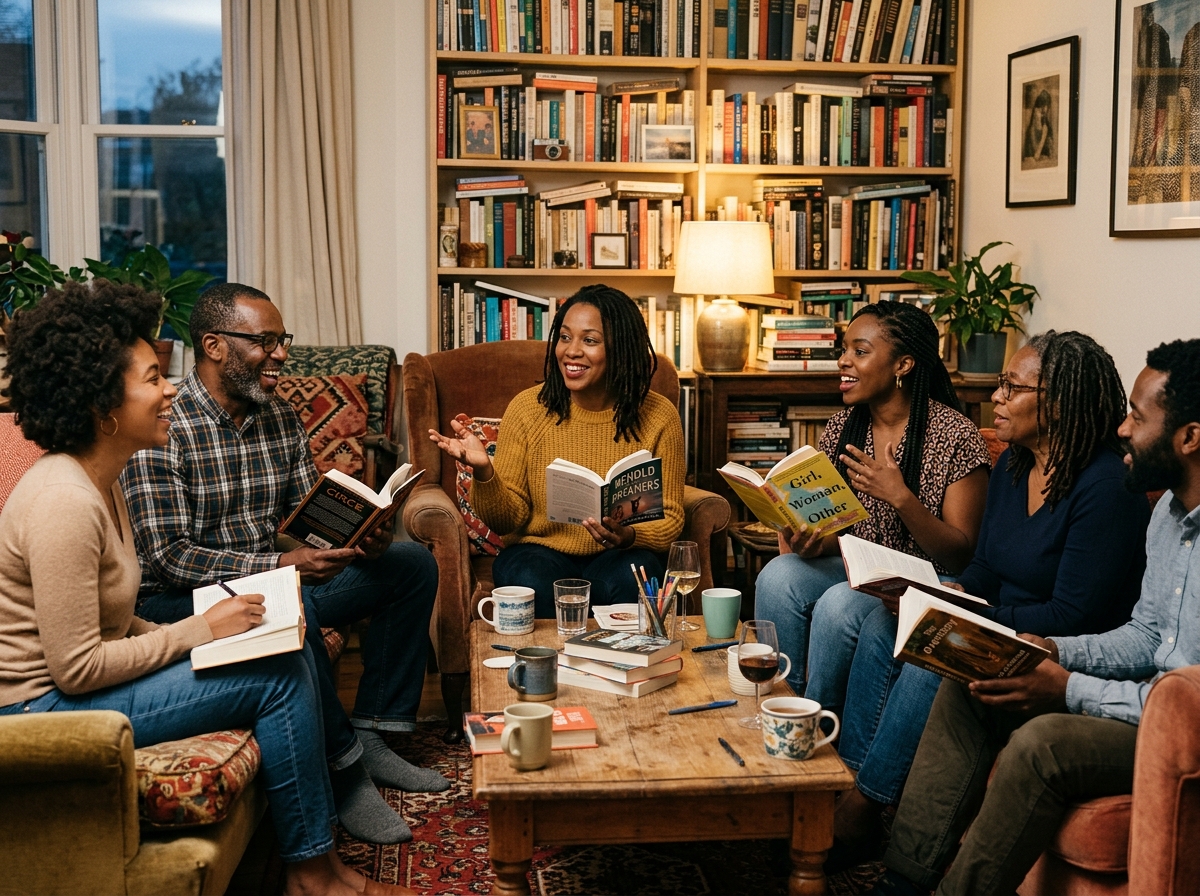
It’s for the book club that wants to go deeper than the titles that get mainstream press coverage.

And it’s for anyone who believes, as Freddie does, that an informed community is a protected community. That the best inoculation against propaganda is knowledge.

How to Use It in Your Family

Black adults in animated book club discussion in a living room

Read it yourself first. Mark the sections that hit you hardest. Then come back to those sections with your kids.

Use it the same way you might use the Black History Flashcards — not as a lecture, but as a conversation starter. “Did you know this?” “What do you think about that?” “Have you heard of this person before?”

The flashcards give you 52 entry points per volume. The book gives you 50 more. Together they’re the beginning of a home curriculum that doesn’t depend on whether your school district has decided your children deserve the truth this year.

We know they do. We’ve always known that.

Where to Get It

You can find 50 Truths They Tried to Erase directly at the Urban Intellectuals store. It ships fast, and if you want to build out a full home library, pair it with the flashcard collection — multiple volumes covering Black history from the pre-1492 era through S.T.E.A.M., women’s history, and the Afro-Latino and Caribbean diaspora.

This is the kind of infrastructure that doesn’t disappear when a school board votes. It’s yours. It lives in your home.

Who in your family needs this book most right now? Tag them. Send this to them. Let them know you found it.

Love, peace, and power to the people.
— Freddie

Don’t miss what matters.

Join the Urban Intellectuals family — history, culture, and tools for raising empowered Black children. Straight to your inbox.
[SUBSCRIBE] – Newsletter Tag Posts

The Black Codes: How Slavery Was Rebranded After the Civil War

The Black Codes: How Slavery Was Rebranded After the Civil War

🎙️ LISTEN TO THIS ARTICLE

Prefer to listen? We turned this article into a podcast conversation.

Related: No One Becomes a Billionaire Without Taking From Someone

The Thirteenth Amendment ended slavery in 1865.

Or did it?

Read it carefully. The amendment states that “neither slavery nor involuntary servitude, except as a punishment for crime whereof the party shall have been duly convicted, shall exist within the United States.”

That loophole became the foundation for the Black Codes.

How the Codes Worked

Vagrancy laws criminalized being unemployed. If you were Black and couldn’t prove you had a job, you were arrested and forced to labor.

Apprenticeship laws allowed white “employers” to take custody of Black orphans and dependents, often their former enslavers’ children.

Civil restrictions forbade Black people from carrying firearms, testifying against white people, serving on juries, or holding public office.

From Black Codes to Jim Crow

When Reconstruction ended in 1877, white supremacists regained power. The Black Codes evolved into Jim Crow laws — more sophisticated, more comprehensive, and far more durable.

The “punishment for a crime” loophole in the Thirteenth Amendment? It’s still there. It’s still being used.

The Echoes Today

When you look at mass incarceration statistics, you’re looking at the legacy of the Black Codes. The United States has 5% of the world’s population but holds 25% of its prisoners.

The Black Codes weren’t a historical aberration. They were a template.

Explore Black History Flashcards and give your family the knowledge they need.

Also see: 50 Truths They Tried to Erase: Why This Book Is Hitting Different Right Now

Why Volume 1 Black History Flashcards Still Matter in 2026

Why Volume 1 Black History Flashcards Still Matter in 2026

🎙️ LISTEN TO THIS ARTICLE

Prefer to listen? We turned this article into a podcast conversation.

In 2018, we printed the first box of Black History Flashcards Volume 1 not knowing if anyone would care.

We’d spent months researching. Debating which stories made the cut. Arguing over which faces deserved to be on those first 52 cards. We wanted every single one to matter — not just as trivia, but as doorways into conversations we knew Black families needed to have.

Eight years later, families are still buying Volume 1. Not as a nostalgia piece. As a foundation.

Here’s why.

The Fundamentals Don’t Get Old

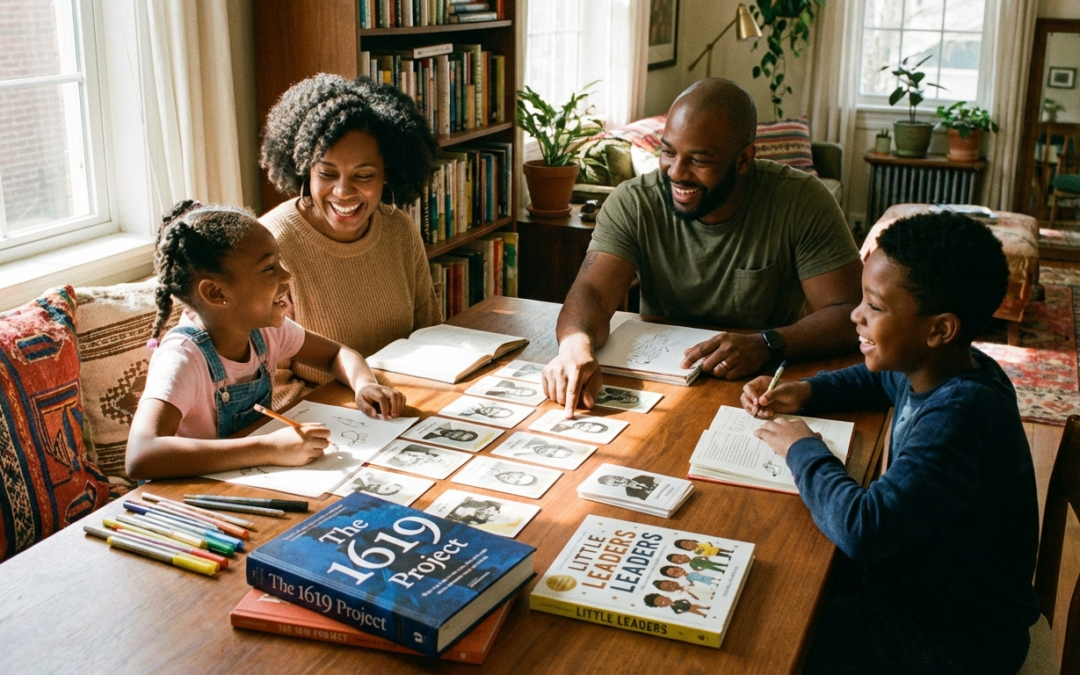
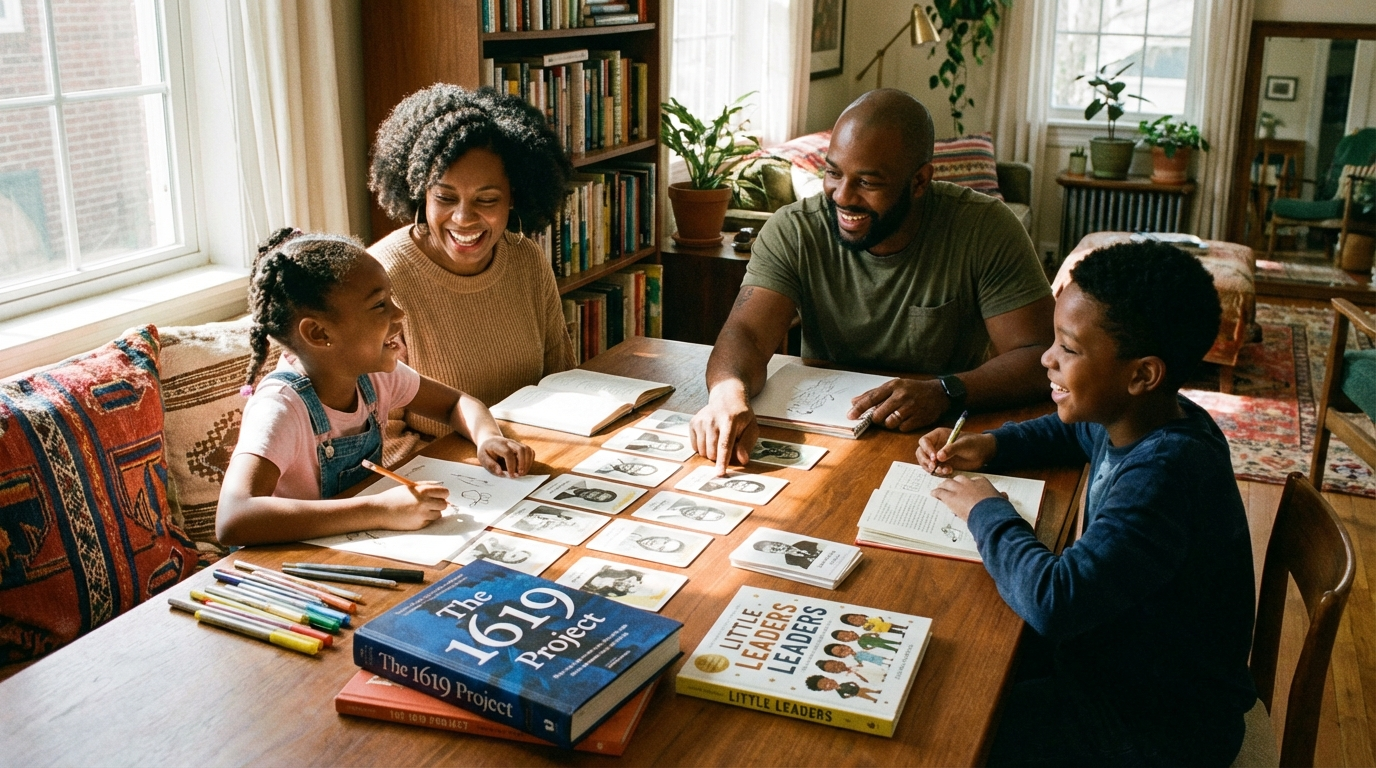
Family learning with flashcards at table

Volume 1 covers what we call the “can’t-miss” figures — Harriet Tubman, Frederick Douglass, Rosa Parks, Martin Luther King Jr., Malcolm X. The names that every Black child should know before they leave elementary school.

But here’s the thing: knowing the names isn’t the same as knowing the stories.

Our cards don’t just list achievements. They tell you that Harriet Tubman was a spy for the Union Army. That she led the Combahee Ferry Raid and freed more than 700 enslaved people in a single night. That she did all this while living with seizures from a traumatic brain injury inflicted by an enslaver.

That’s not trivia. That’s inspiration. That’s the difference between knowing about someone and understanding what made them extraordinary.

The Questions They Spark

Every card in Volume 1 ends with a conversation starter. Not a quiz question — a real question.

“What would you risk for freedom?”

“How do you stand up when everyone around you is sitting down?”

“What does it mean to change your mind publicly, the way Malcolm X did?”

These aren’t questions with easy answers. They’re questions that build critical thinking. Questions that help children see themselves in history. Questions that turn a five-minute card game into a thirty-minute family discussion about values, courage, and strategy.

The Foundation for Everything Else

Educational flashcards spread on table

We’ve released other volumes since then. Volume 2 goes deeper into science, technology, and invention. The Women’s Edition centers Black women’s contributions specifically. The Africa Edition connects our history to the continent.

But families keep coming back to Volume 1 because it’s the foundation.

You can’t understand Mae Jemison (Volume 2) without understanding the space race and civil rights. You can’t appreciate Ida B. Wells (Women’s Edition) without understanding Reconstruction and lynching. You can’t grasp the full scope of Black resistance without knowing what came before.

Volume 1 is where the timeline starts.

What Parents Tell Us

We get emails. DMs. Comments at events.

“My son asked why his school doesn’t teach this.”

“My daughter said she wants to be ‘brave like Harriet.’”

“We do three cards every night at dinner. It’s become our thing.”

One grandmother told us she uses the cards to homeschool her grandchildren — that Volume 1 is her entire Black history curriculum for the first semester.

Another father said his teenage son, who’d never shown interest in “school stuff,” started reading the cards on his own and asking questions about the Black Panthers.

This is what we hoped for. This is why we keep printing them.

✊🏾 Join 500,000+ families keeping Black history alive at home.

Get tools, stories, and exclusive offers delivered to your inbox.

[SUBSCRIBE] – Newsletter Tag Posts

The Gaps Are Still There

Let’s be honest about something: public school hasn’t gotten much better at teaching Black history since 2018.

In many states, it’s gotten worse. Book bans. Curriculum restrictions. The same old “slavery-to-Martin-Luther-King-to-Obama” timeline that leaves out everything complicated, everything radical, everything that explains why we’re still fighting.

Volume 1 doesn’t solve that. But it fills the gaps.

Every family that works through these cards is building a counter-narrative. A foundation of knowledge that can’t be taken away. A set of reference points for understanding current events.

Start Here

Child studying with flashcards

If you’re new to Urban Intellectuals, start with Volume 1. Not because it’s the oldest, but because it’s the most important.

The fundamentals matter. The foundations hold everything else up. And these 52 cards — each one researched, debated, and designed with intention — will give your family something that no app, no video, no worksheet can provide.

A shared vocabulary for discussing Black excellence. Black struggle. Black future.

Get Volume 1 today and start the conversations that matter.

Don’t miss what matters.

Join the Urban Intellectuals family — history, culture, and tools for raising empowered Black children. Straight to your inbox.
[SUBSCRIBE] – Newsletter Tag Posts

Which figure from Black history would you add to Volume 1 if you could? Hit reply and tell me.

Love, peace, and power to the people.

Black Codes: The Laws That Kept Us Enslaved After Slavery Ended

Black Codes: The Laws That Kept Us Enslaved After Slavery Ended

They signed the Emancipation Proclamation in 1863. They ratified the 13th Amendment in 1865. And then they put Black people right back where they were. (What Black Women Built)

They called them “Black Codes.”

Not slavery. Not technically. But if you couldn’t leave your employer’s land without a pass… if you could be arrested for not having a job… if your children could be “apprenticed” to your former enslaver against your will…

What exactly would you call it?

These laws swept through Mississippi, South Carolina, Louisiana, Alabama — every state that had just “lost” the war. They moved fast. Mississippi passed theirs in November 1865. The war had barely ended.

What the Black Codes Actually Said

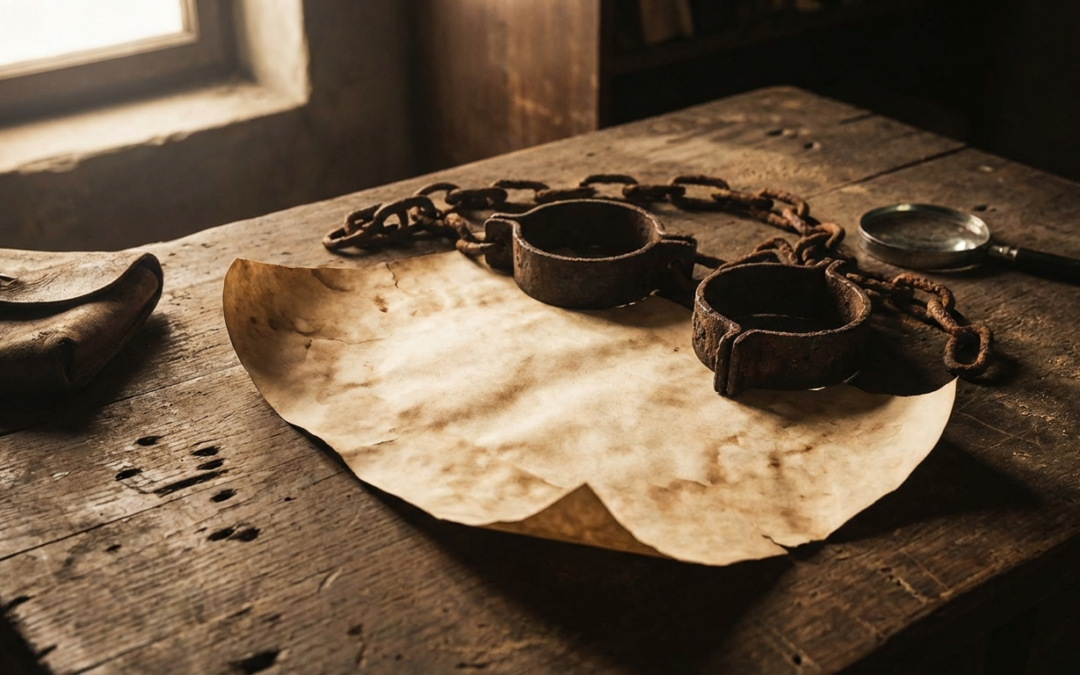
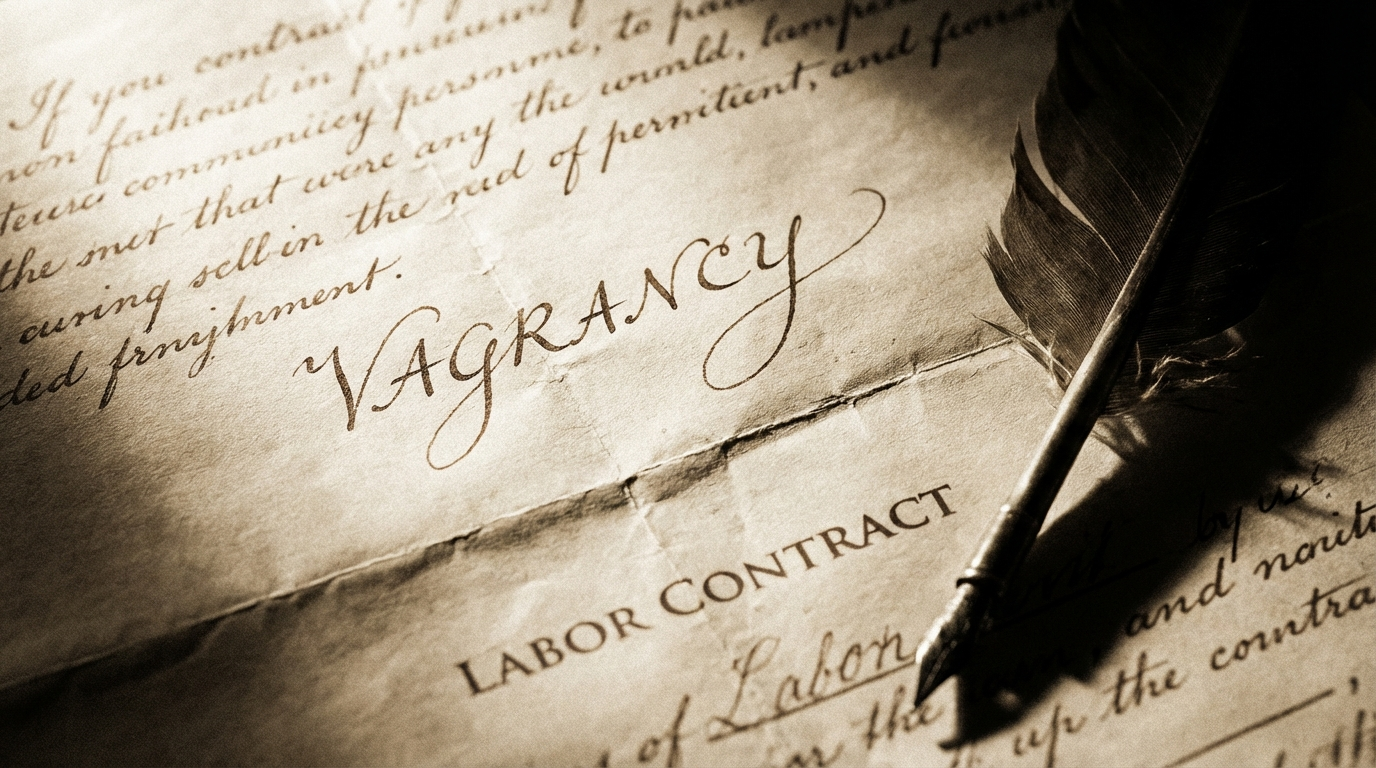
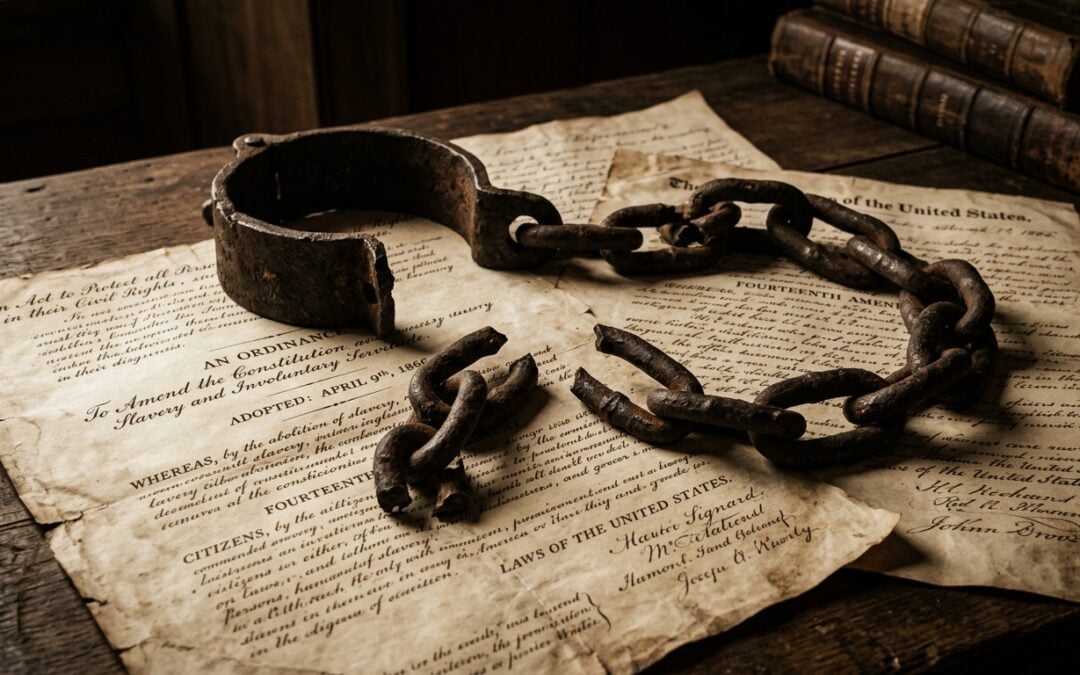
Historical legal documents showing vagrancy and labor contract laws

Let’s be specific, because the details matter.

Vagrancy laws: If you were Black and couldn’t prove you had employment, you were arrested. The penalty? Forced labor. They’d literally lease you out to a plantation. Sound familiar?

Apprenticeship laws: Black children — especially orphans — could be taken from their families and forced to work for white “masters” until they turned 21. Former enslavers got first dibs. That’s not a metaphor. It was written into the law.

Labor contracts: Black workers had to sign year-long contracts by January 1st or face arrest. Leave before the contract ended? Forfeit your entire year’s wages. Every penny.

Restricted movement: In some states, Black people needed written permission to travel. In others, they couldn’t own property in certain areas. They couldn’t testify against white people in court.

They stripped the word “slavery” out and kept every single mechanism.

The Blueprint That Never Went Away

Prison cell with iron bars representing the convict leasing system

Here’s what makes Black Codes more than a history lesson — they were a blueprint.

Convict leasing. Jim Crow. Redlining. Mass incarceration. Every system that came after borrowed from this playbook: make the law sound neutral, then enforce it selectively against Black people.

The 13th Amendment itself has a loophole big enough to drive a prison bus through: “except as a punishment for crime.” The Black Codes turned that exception into an industry.

Vagrancy laws became “loitering” charges. Apprenticeship laws became the foster care pipeline. Labor contracts became sharecropping. The names changed. The function didn’t.

✊🏾 Join 500,000+ families keeping Black history alive at home.

Get tools, stories, and exclusive offers delivered to your inbox.

[SUBSCRIBE] – Newsletter Tag Posts

Why They Don’t Teach This in Schools

Empty classroom with history textbook representing education gaps

Ask yourself: Why is “Black Codes” a trending search right now?

Because people are Googling what their schools never taught them. Because when you skip the chapter between slavery and Jim Crow, everything that came after looks like it happened in a vacuum. Like racism just… appeared from nowhere.

Black Codes are the missing chapter. They explain how a country that “freed” 4 million people immediately built a legal system to trap them again. They explain why Reconstruction failed. They explain why the 14th and 15th Amendments had to exist at all.

And they explain why, 160 years later, we’re still fighting some of the same fights.

What Your Kids Need to Know

Black mother and son reading a history book together

This isn’t about making children feel helpless. It’s about making them informed.

When your child understands Black Codes, they understand that freedom has always been something our people had to fight to keep — not just win once. They understand that laws can be weapons. They understand that the system wasn’t broken; it was built this way.

That’s not despair. That’s power.

Because when you can name the thing, you can fight the thing.

That’s exactly why we created Black History Flashcards — to put the full, uncut story in your family’s hands. Not the sanitized version. The real one. The one that includes Black Codes and the people who fought to tear them down.

The People Who Fought Back

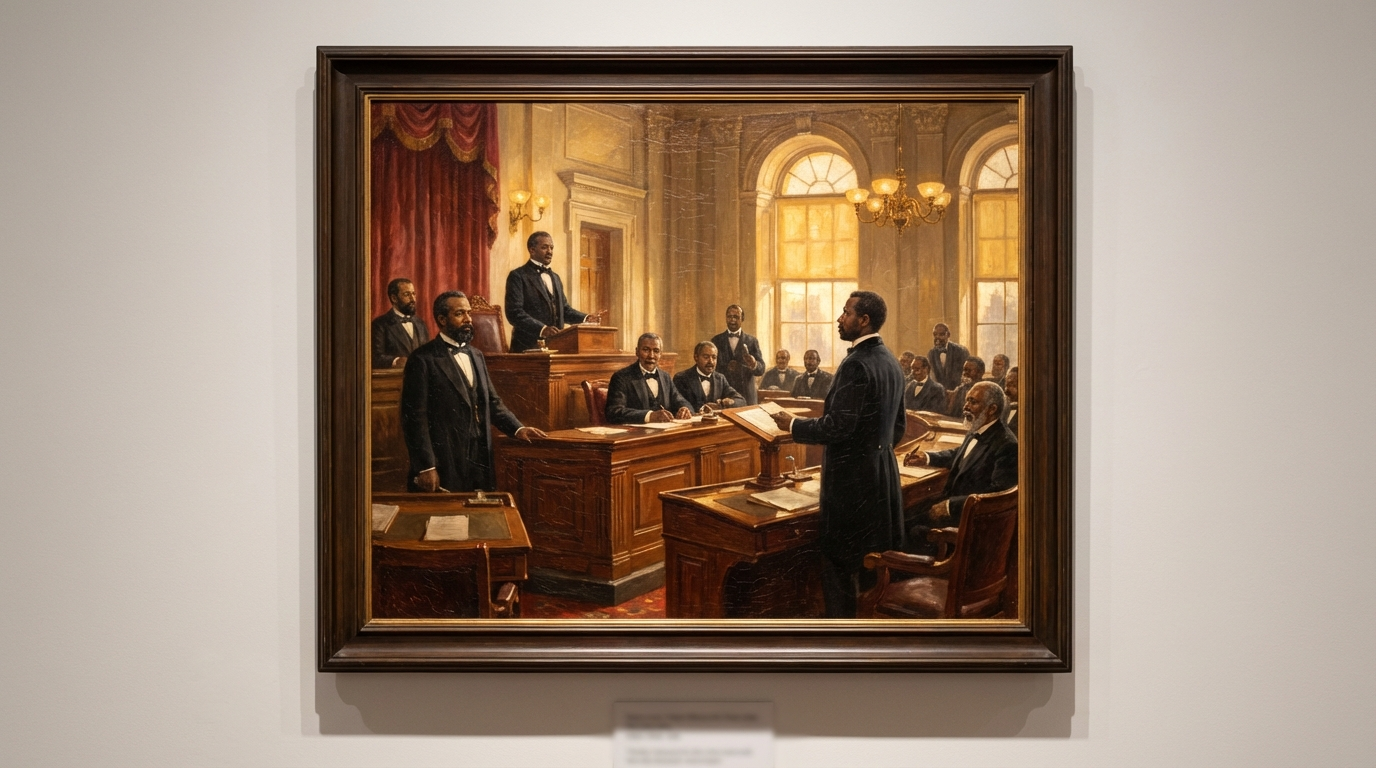
Black congressmen during the Reconstruction era fighting for rights

Don’t let anyone tell you Black people just accepted this.

Freedmen’s Bureau agents documented the abuses and pushed back against Black Code enforcement. Black churches organized, educated, and mobilized communities. Black legislators — elected during Reconstruction — fought to repeal these laws and replace them with actual protections.

People like Robert Smalls, who went from enslaved ship pilot to United States Congressman. Or Tunis Campbell, who built self-governing Black communities in Georgia before white supremacists had him imprisoned for it.

They fought. They always fought. And your kids should know their names.

So What Do We Do With This?

Black family having a meaningful conversation around the dinner table

Talk about it. Tonight. This weekend. On the car ride to school. (Not sure where to start? Here’s how to talk to your Black child about racism.)

Ask your kids: “Did you know that after slavery ended, they made new laws to keep Black people trapped?” Watch their faces. Answer their questions. Don’t soften it. (And while you’re at it, here are 7 things every Black parent should tell their child.)

Then ask them: “What do you think people did about it?”

Because that’s the part that matters most. Not just what was done to us — but what we did about it. Every single time. Like the day Ruby Bridges walked into history — and what we still haven’t learned from it.

What part of this history hit you the hardest? Drop a comment or hit reply — I want to hear from you.

Love, peace, and power to the people. ✊🏾

Don’t miss what matters.

Join the Urban Intellectuals family — history, culture, and tools for raising empowered Black children. Straight to your inbox.

[SUBSCRIBE] – Newsletter Tag Posts

12 Black History Activities at Home Kids Actually Love

12 Black History Activities at Home Kids Actually Love

February comes and goes. The posters come down. The special units end.

And then what?

If Black history only lives at school — in a short unit, once a year — your child is getting a footnote. Not a foundation.

The good news: you don’t need a lesson plan, a curriculum, or a teaching degree to change that. You need 20 minutes, a little intention, and a few good tools.

Here are 12 Black history activities you can do at home — no prep, no pressure, and yes, the kids will actually want to do them.

Black family doing Black history activities together at a dining table

1. The “Who Is This?” Card Game

Black family playing a card game together with flashcards

Pull out a deck of Black history flashcards and flip through them together. One person reads the clues on the back, everyone else guesses.

It sounds simple. But give it five minutes and watch what happens — kids get competitive, parents get humbled (“I didn’t know that!”), and the names start to stick.

Black History Flashcards → — 500,000+ sold because this works in real homes, not just ideal ones.

2. Breakfast With a Legend

Pick one historical figure each week. Print or pull up a photo. Put it on the table at breakfast.

One rule: say their name before anyone eats.

That’s it. Over time, those names become normal. They become part of your family’s conversation. Your child starts connecting present-day events to people they know by face and name.

3. Black History Bingo Night

Turn family game night into a history lesson nobody asked for — and everybody enjoyed.

Black history bingo boards cover figures, events, and facts. Teams. Prizes. The whole thing.

Works best with 4+ players and at least one grandparent who thinks they know everything. (They usually win.)

4. The “They Left This Out” Research Project

Challenge your older kids (10+): find one Black historical figure who is NOT in their school textbooks.

Research them. Write a paragraph. Present it at dinner.

This does two things: it teaches research skills, and it teaches your child to notice absences — which is one of the most important critical thinking skills they can have.

✊🏾 Join 500,000+ families keeping Black history alive at home.

Get tools, stories, and exclusive offers delivered to your inbox.

[SUBSCRIBE] - Newsletter Tag Posts

5. Watch a Documentary Together — Then Talk

Not just watch. Talk.

Pick one age-appropriate documentary about Black history. Watch it together. Then, before anyone gets up from the couch, each person says one thing they didn’t know before.

Some starting points:

  • 13th (Netflix, ages 13+)
  • The Black Panthers: Vanguard of the Revolution (ages 14+)
  • John Lewis: Good Trouble (all ages)
  • Hidden Figures (the film is great for kids 8+)

The conversation after is where the real learning happens.

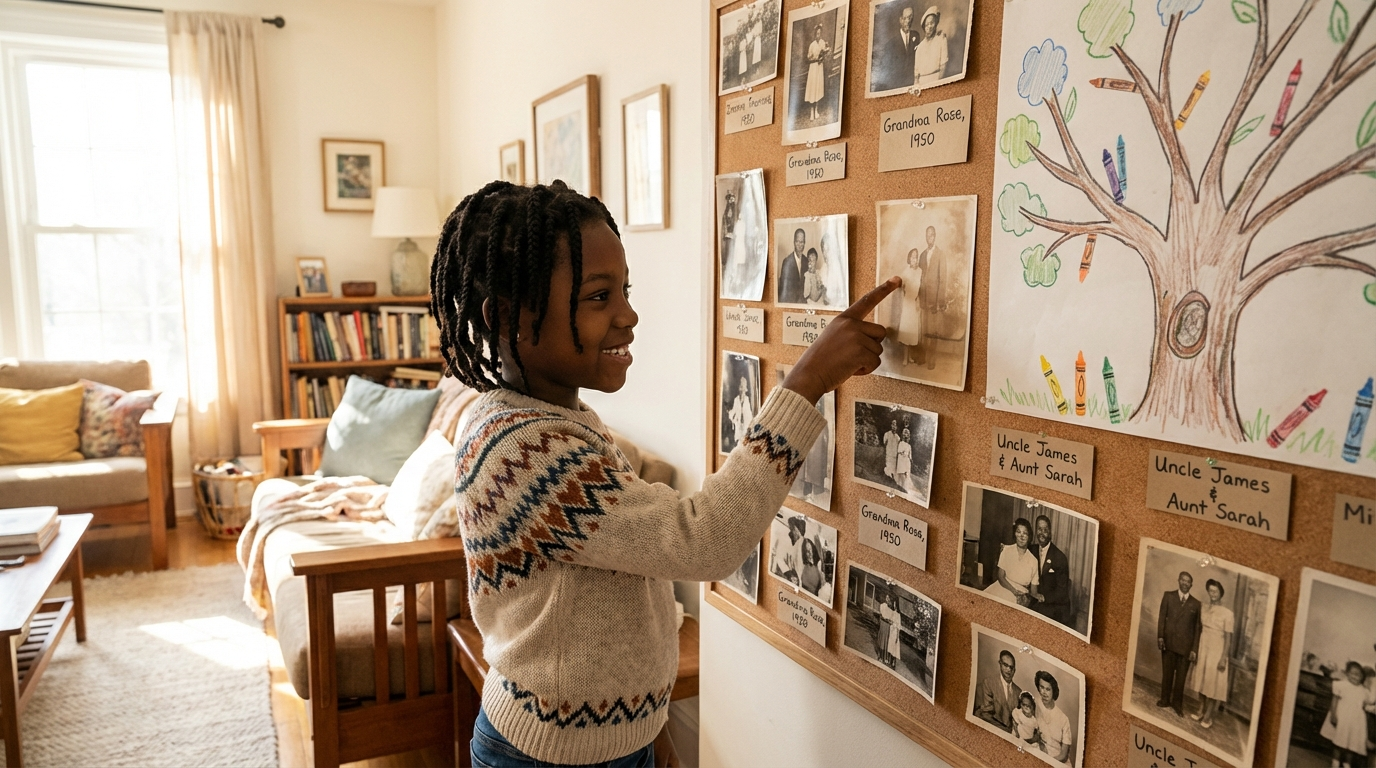
6. Build a Family History Wall

Black child proudly showing their family history wall display

This one takes a Sunday afternoon and becomes a permanent fixture.

Get a corkboard or a section of wall. Start with what you know: names, places, photos, dates. Then ask your elders — parents, grandparents, great-aunts — to fill in the gaps.

You don’t need to trace back to Africa to make this powerful (though if you can, do it). Your family’s story is Black history. Make it visible.

7. Cook a Meal With a Story

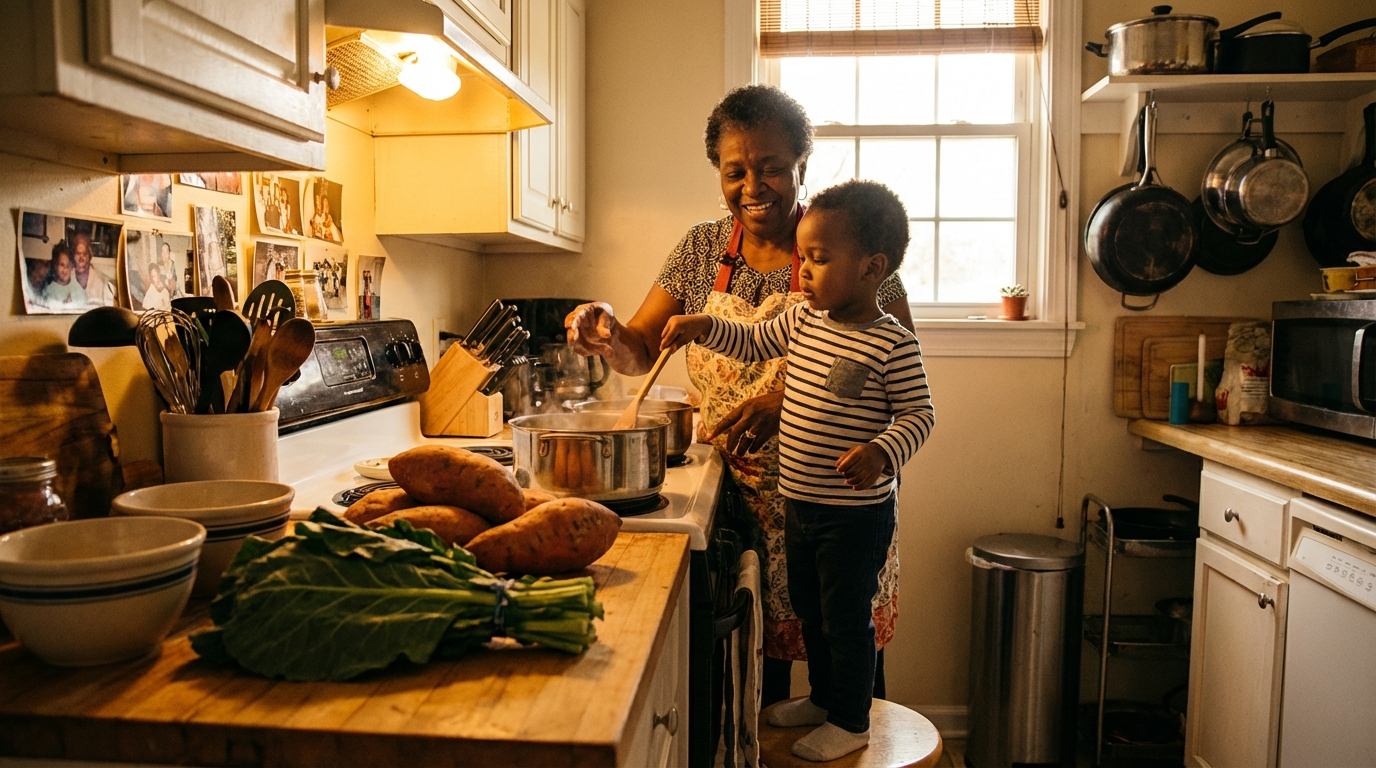
Black grandmother and grandchild cooking soul food together

Every dish in Black American cooking has history behind it. Pick one this week.

Collard greens. Sweet potato pie. Red beans and rice. Gumbo. Fried catfish.

Cook it together. While you cook, talk about where it came from — African roots, slavery, Reconstruction, the Great Migration, Sunday traditions. The food becomes a doorway.

Bonus: find a dish connected to a specific region your family came from.

8. Read One Page a Night

Not a whole book. One page.

Find a book about Black history that’s right for your child’s age. Read one page aloud at bedtime. That’s it. One page a night is 30 pages a month, 365 pages a year.

Over a year, that’s the equivalent of a real education.

Some good starting points:

  • Hand in Hand by Andrea Davis Pinkney (ages 6-10)
  • X: A Novel by Ilyasah Shabazz (ages 12+)
  • The Warmth of Other Suns by Isabel Wilkerson (teens and adults)

9. The “Name That Ancestor” Road Trip Game

On the next long car ride, take turns naming Black historical figures.

One rule: if you name someone the rest of the family knows, you get a point. If you name someone nobody else knows, you get three points.

This turns the car ride into a research motivation session. Kids will study before the next trip. Not because you asked them to — because they want to win.

10. Write a Letter to a Historical Figure

Pick a figure your child has been learning about. Have them write a letter — what would they say? What questions would they ask? What would they want them to know about the world today?

This is one of the most powerful exercises for older kids. It builds empathy, historical thinking, and writing skills all at once.

Keep the letters. Pull them out in five years.

11. Black History Trivia at Dinner

Every dinner has a trivia question. One question, one conversation.

Doesn’t need to be a quiz. Could be: “Who was the first Black woman to travel to space? What do you think it was like for her?”

The question starts the conversation. The conversation builds the knowledge. The knowledge builds the identity.

12. Let Your Child Teach You

Once a month, flip the script. Your child picks a historical figure, researches them, and teaches the family what they learned.

Give them a real audience: invite grandparents, siblings, cousins. Let them present.

This does something that passive learning can’t: it makes your child the authority. The expert. The keeper of the story.

That’s not just education. That’s identity.

The Point Isn’t the Activity — It’s the Habit

One activity won’t change anything.

But one activity, done regularly, in a home where Black history is normal — that changes everything.

You’re not trying to replicate school. You’re trying to build something school can’t: a child who knows who they are, where they come from, and why it matters.

That happens in the small moments. The breakfast table. The car ride. The bedtime page.

Ready to make it a habit? The Black History Flashcards are how over 500,000 families have made Black history part of their everyday routine. Not just February. Every day.

Urban Intellectuals has been putting Black history in Black homes since Freddie Taylor started with a single deck of cards. See the full collection →

Which of these activities will you try first? Share your plan in the comments — and tell us which ones your kids already love!

Don’t miss what matters.

Join the Urban Intellectuals family — history, culture, and tools for raising empowered Black children. Straight to your inbox.

[SUBSCRIBE] - Newsletter Tag Posts

📖 Also read: Why Volume 1 Black History Flashcards Still Matter in 2026

0