15% off on your first order Click here to sign up

50 Truths They Tried to Erase: Why This Book Is Hitting Different Right Now

50 Truths They Tried to Erase: Why This Book Is Hitting Different Right Now

🎙️ LISTEN TO THIS ARTICLE

Prefer to listen? We turned this article into a podcast conversation.

There is a book that some people would rather you never read.

Not because it’s controversial. Not because it’s radical. Because it’s documented. Because it names names, cites sources, and gives your family — your children — the receipts on a history that powerful people have spent generations trying to bury.

That book is 50 Truths They Tried to Erase: Black Power, Culture & Resistance Uncovered by Freddie Taylor. Right now, it’s surging. People are finding it, sharing it, and putting it in the hands of their kids for a reason.
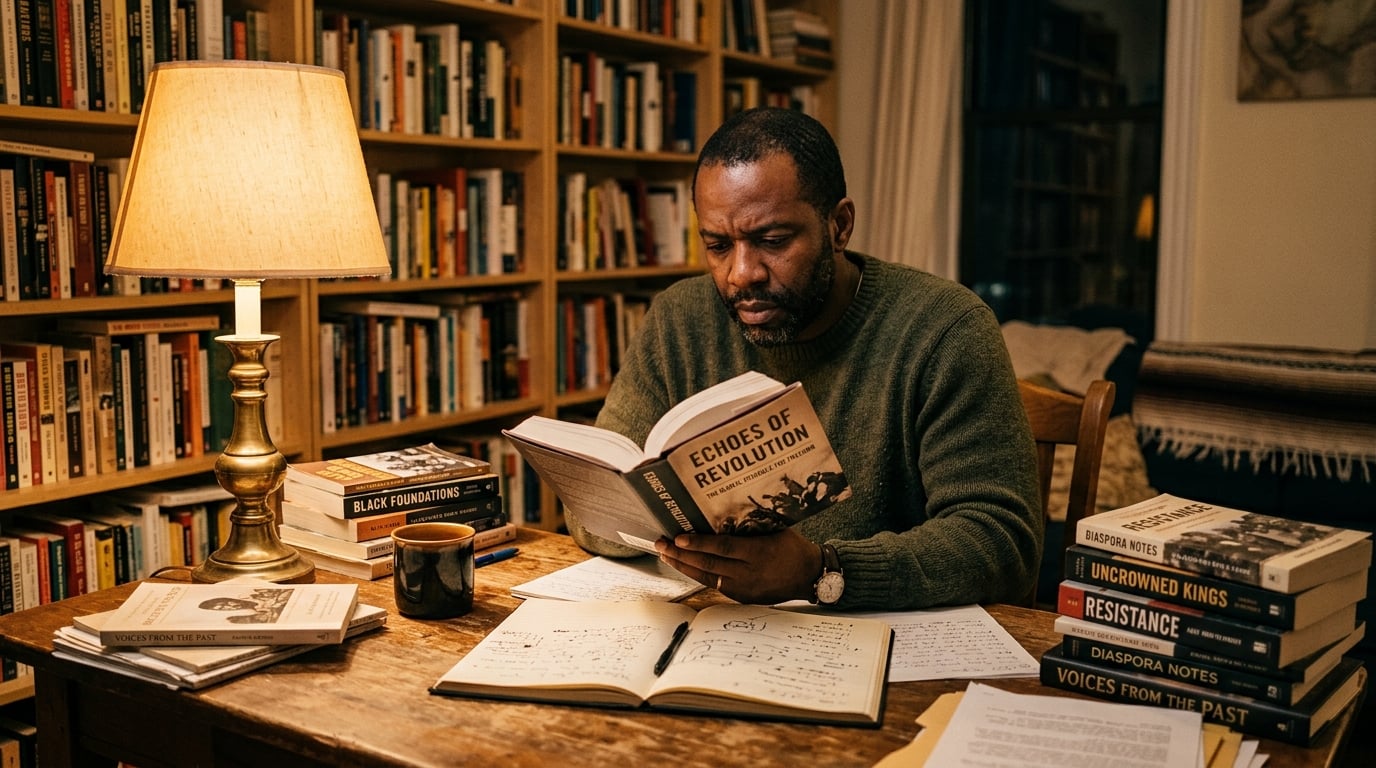
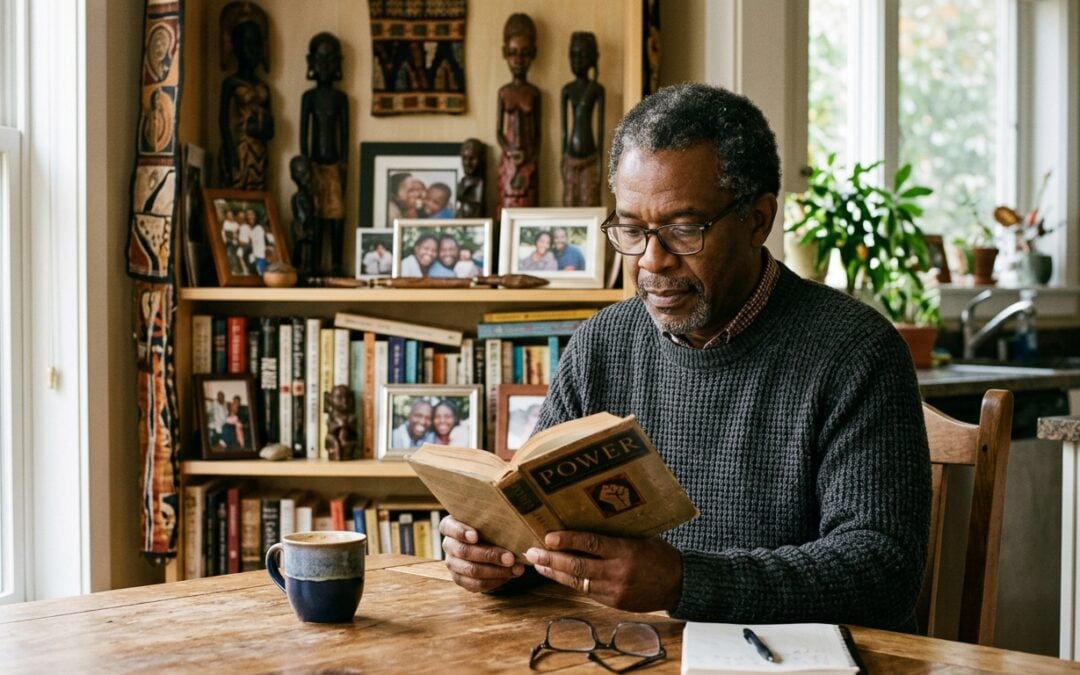
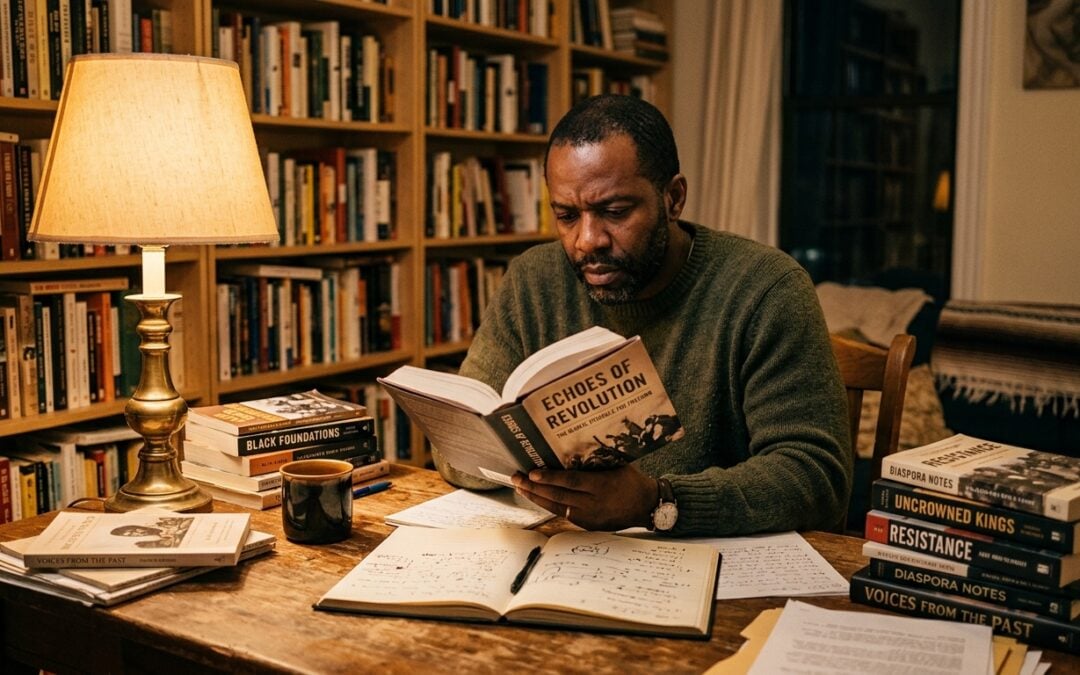
Black man reading powerful history book at kitchen table

They Did Not Lose Our History. They Buried It.

The gaps in what Black children learn about themselves are not accidents of history. They are not the result of records being lost or time erasing memory. The omissions are deliberate. The suppressions are documented.

The history of Black Wall Street was methodically erased from textbooks for decades. The role of Black soldiers in every American war was downplayed, minimized, or outright removed from the official record. The scientific, architectural, and cultural contributions of Black Americans were either misattributed or simply not mentioned.

And now, in 2026, we are watching it happen in real time. DEI programs defunded. School curricula scrubbed. Executive orders targeting “divisive concepts.” The same pattern. A new chapter.

50 Truths is Freddie’s answer to that pattern. It’s a counter-archive. And it’s hitting exactly when our community needs it.
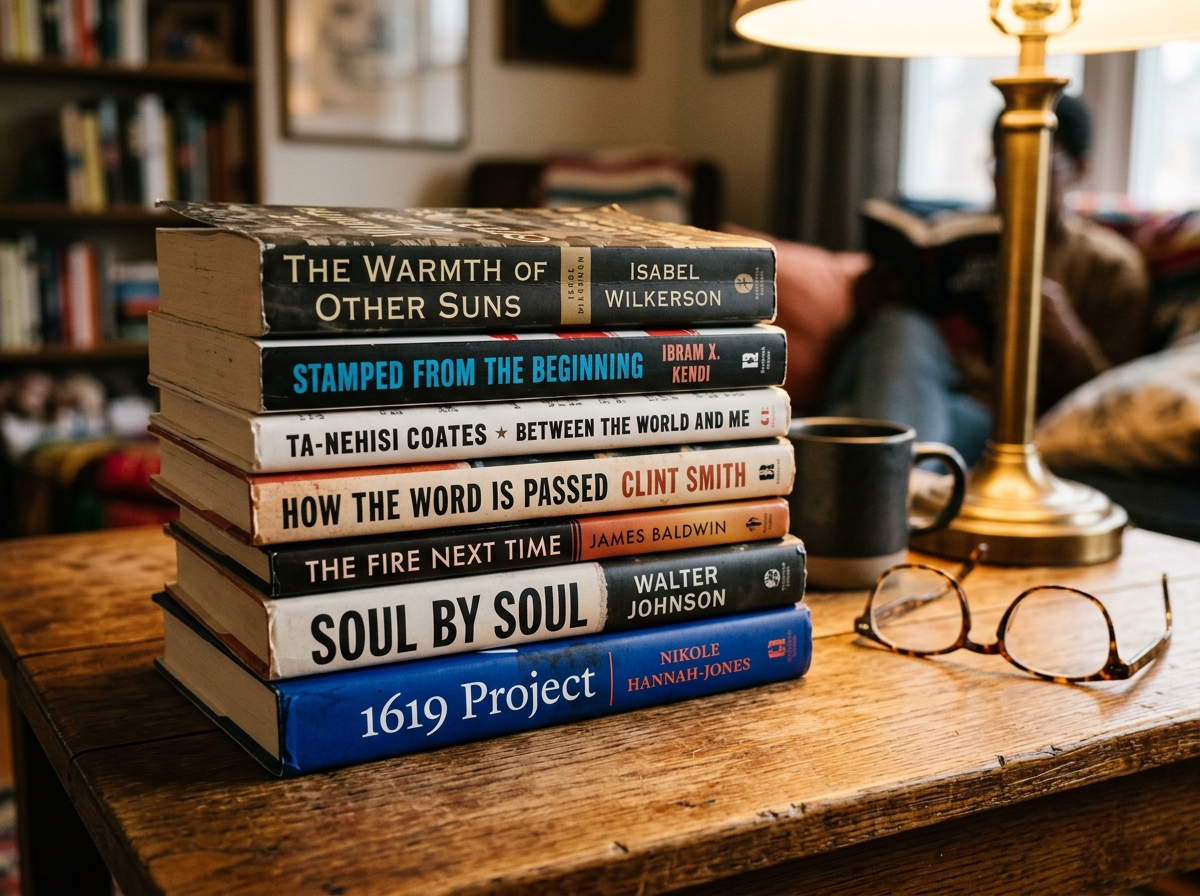
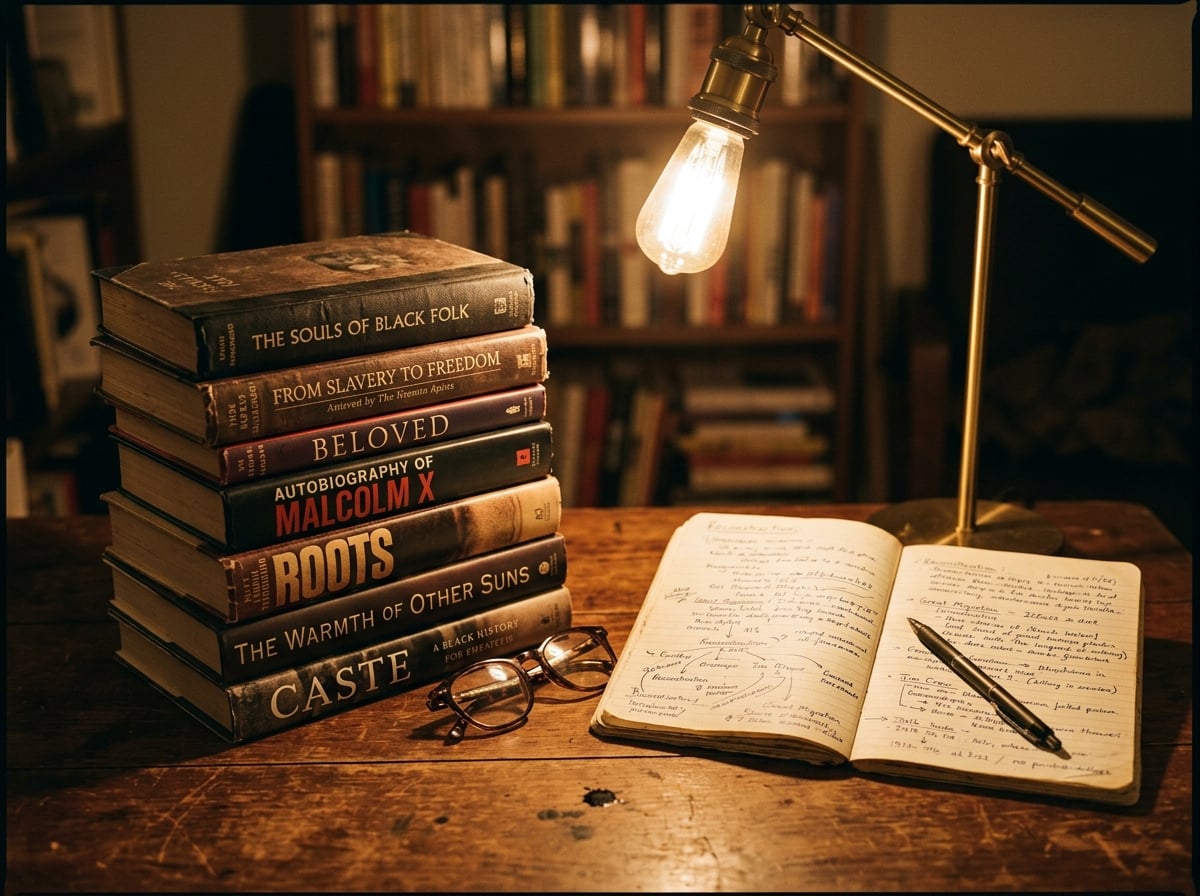
Black history books stacked on wooden table warm lamp light

What Is Actually in This Book

The title is not a metaphor. This is fifty specific, sourced, documented pieces of history — each one deliberately suppressed or minimized in the dominant American narrative.

  • The full scope of Black resistance during slavery — not just the narratives the curriculum deemed safe
  • The economic and intellectual power Black communities built between Reconstruction and the Civil Rights era — and the coordinated efforts to dismantle it
  • The Black inventors, engineers, and scientists who built foundational technologies still in use today — without credit
  • The organizing traditions and political frameworks developed by Black leaders who never made it into a mainstream biography
  • The truth about landmark events our children hear sanitized versions of in school — with the names, dates, and primary sources intact

This is not a survey course. This is a case file. Freddie built it as a tool — something you can open with your kids and say: here is what actually happened, here is how we know, and here is why it matters today.

✊🏾 Join 500,000+ families keeping Black history alive at home.

Get tools, stories, and exclusive offers delivered to your inbox.

[SUBSCRIBE] – Newsletter Tag Posts

Why the Surge Is Happening Now

When official channels suppress something, communities route around them. That’s always been true. It’s why oral tradition survived. It’s why the church held the archive. It’s why grandmothers passed down stories they couldn’t write down.

Right now, we are watching that same impulse play out in a digital age. When the school curriculum says “we don’t teach that here,” parents go looking. When a federal website scrubs Black history from its pages, search traffic to authentic resources spikes. When politicians argue that learning accurate history makes children uncomfortable, our community responds by finding that history and teaching it themselves.

📖 You might also like: Start Here: What Is Urban Intellectuals and Who Is It For?

That’s the energy behind the surge around 50 Truths. It’s not a marketing phenomenon. It’s a cultural one. A community saying: we are not waiting for permission to know who we are.
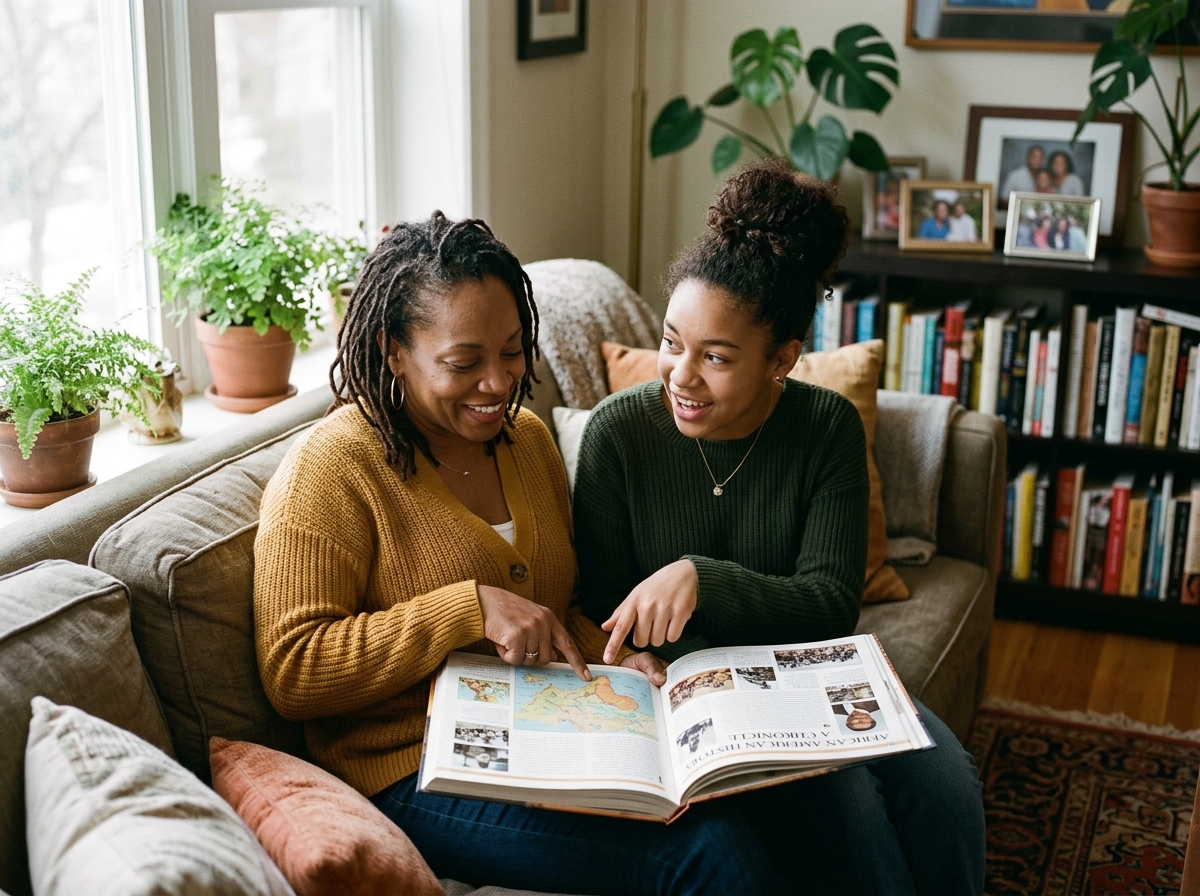
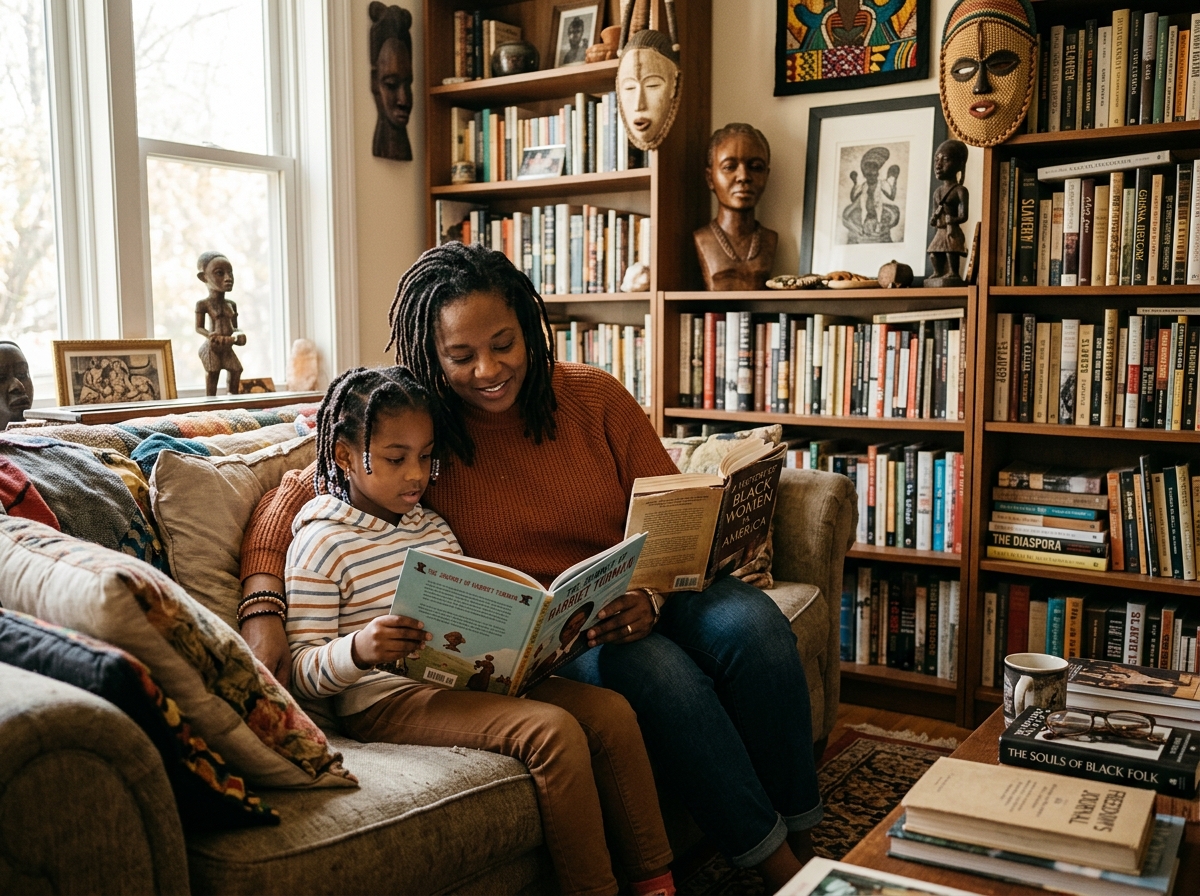
Black mother and daughter reading Black history together

How to Use This Book With Your Family

Read it aloud in short sessions. One truth per sitting. Let it land. Ask your kids what they think. Let the conversation go where it goes. Some of the most powerful teaching happens in the 10 minutes after you close the book.

Pair it with primary sources. When you encounter a specific event or figure in 50 Truths, go deeper. Search for original documents. Watch documentary footage. This teaches kids to follow evidence trails — a skill that lasts a lifetime.

Pair it with hands-on tools. Our Black history flashcard collections were built on the same philosophy as 50 Truths — that knowledge needs to be interactive, accessible, and in your hands at the kitchen table. The cards cover over 500 Black history figures, events, and concepts across multiple volumes.

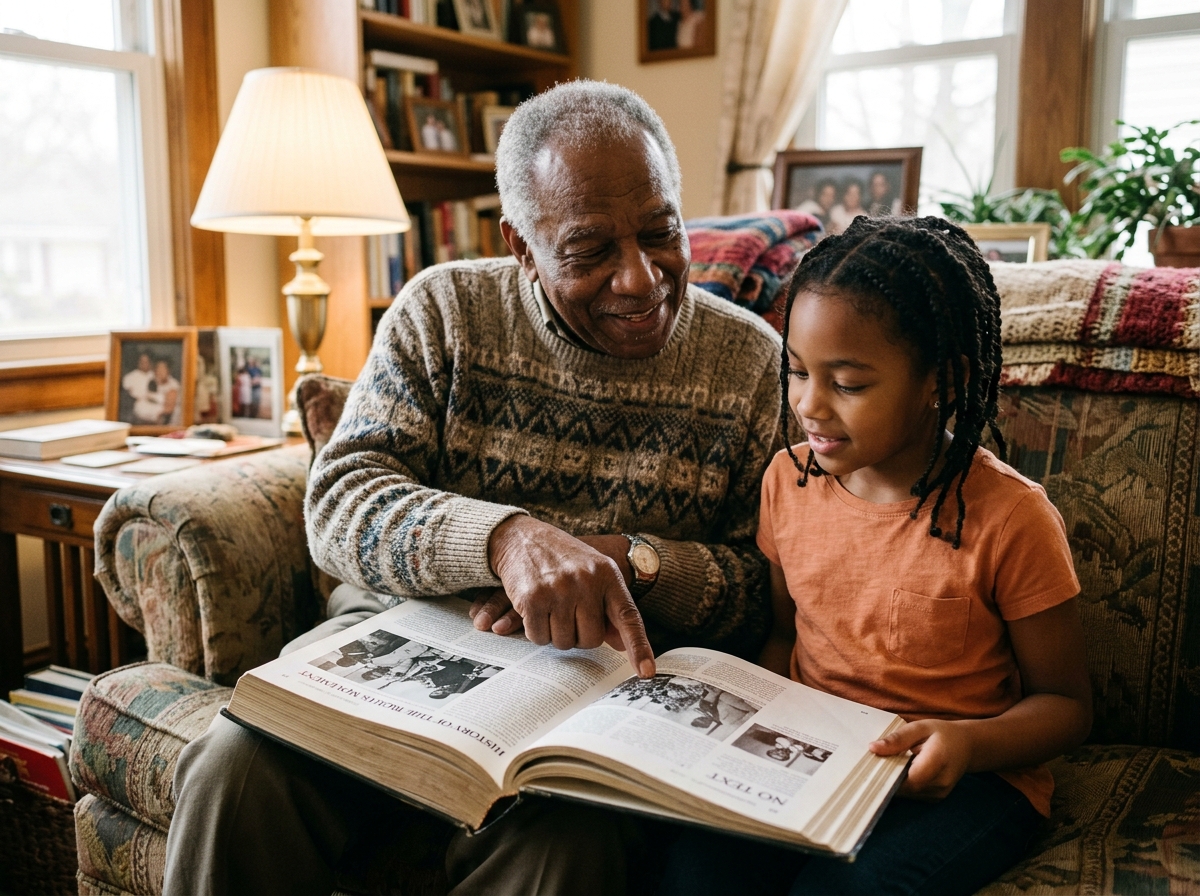
Let grandparents lead. Grandparents are living archives. The history of how wealth gets taken hits differently when someone who lived through it is the one reading it aloud. Bring elders into these conversations.

The Stakes Right Now

We are not in a neutral moment. We are in a moment of active erasure, and the counter-movement is happening in living rooms, in church basements, in family group chats, and around kitchen tables.

Books like 50 Truths matter. Not because they are the only tool — but because they are the kind of tool that travels. You can pass it to your neighbor. You can leave it on your kid’s shelf. You can open it on a Sunday afternoon and watch it change what someone believes about their own history.

We’ve been tracking the surge in interest in this book — and what it says about this moment. The numbers tell a real story. Our community is searching for this. They are finding it.

They’re betting you’ll let the moment pass. That you’ll get busy and let the curriculum do whatever it does to your kids’ understanding of their history.

Don’t let them be right about that.

What truths do you make sure your kids know — the ones that didn’t make it into the textbooks? Share in the comments. What we pass on collectively is part of the archive too.

Get The Book

50 Truths They Tried to Erase

By Freddie Taylor — the book your history class never assigned. Get your copy today.

Get Your Copy →

Don’t miss what matters.

Join the Urban Intellectuals family — history, culture, and tools for raising empowered Black children. Straight to your inbox.

[SUBSCRIBE] – Newsletter Tag Posts

✍️ About the Author: Meet Freddie Taylor — the man behind Urban Intellectuals and the vision driving this work.
No One Becomes a Billionaire Without Taking From Someone

No One Becomes a Billionaire Without Taking From Someone

Let’s be serious for a moment.

The idea that you can accumulate a billion dollars — not a million, a billion — through talent, hard work, and good ideas alone is one of the most successful myths in American history. And like most successful myths, it has real consequences for real people.

For our community especially, believing this myth means accepting a story that was designed to explain away the gap between us and them. To make structural theft look like personal failure.

We can’t afford to keep buying it.

What a Billion Dollars Actually Requires

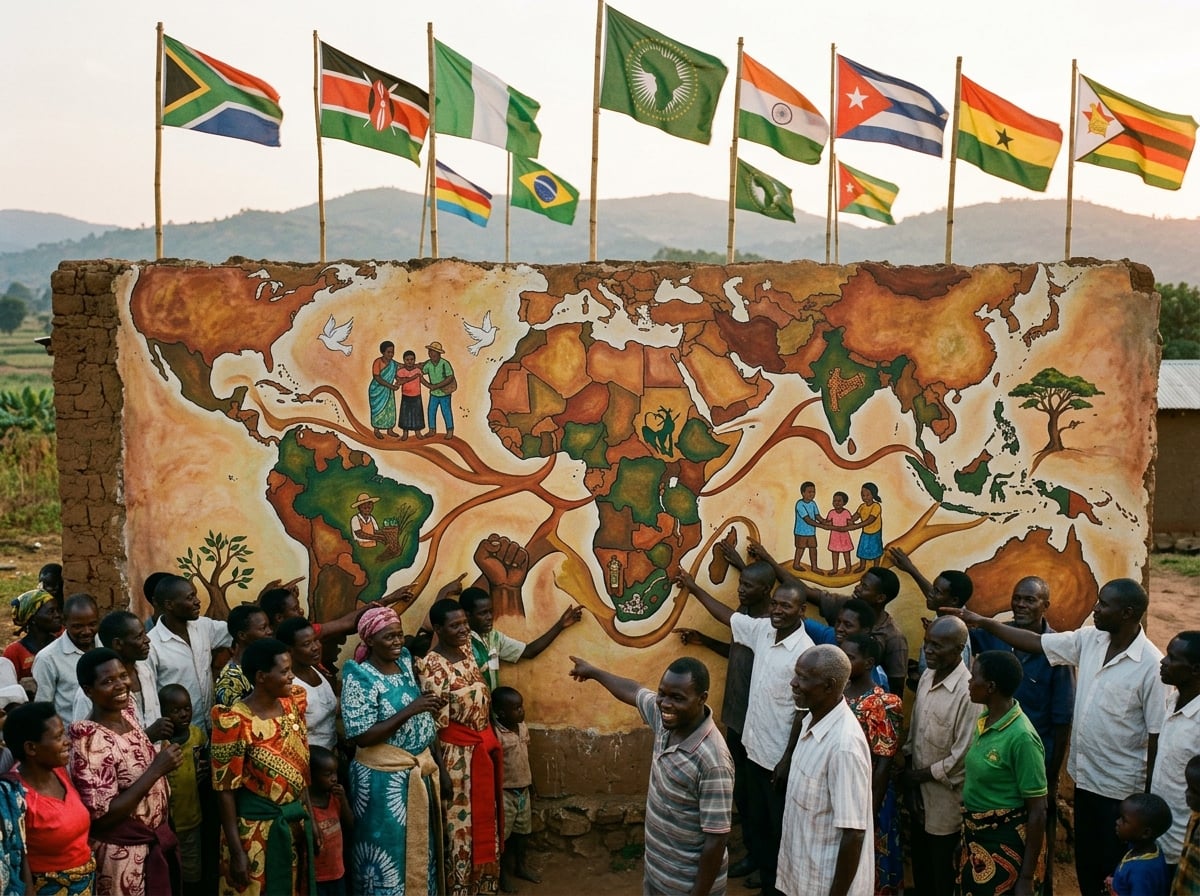
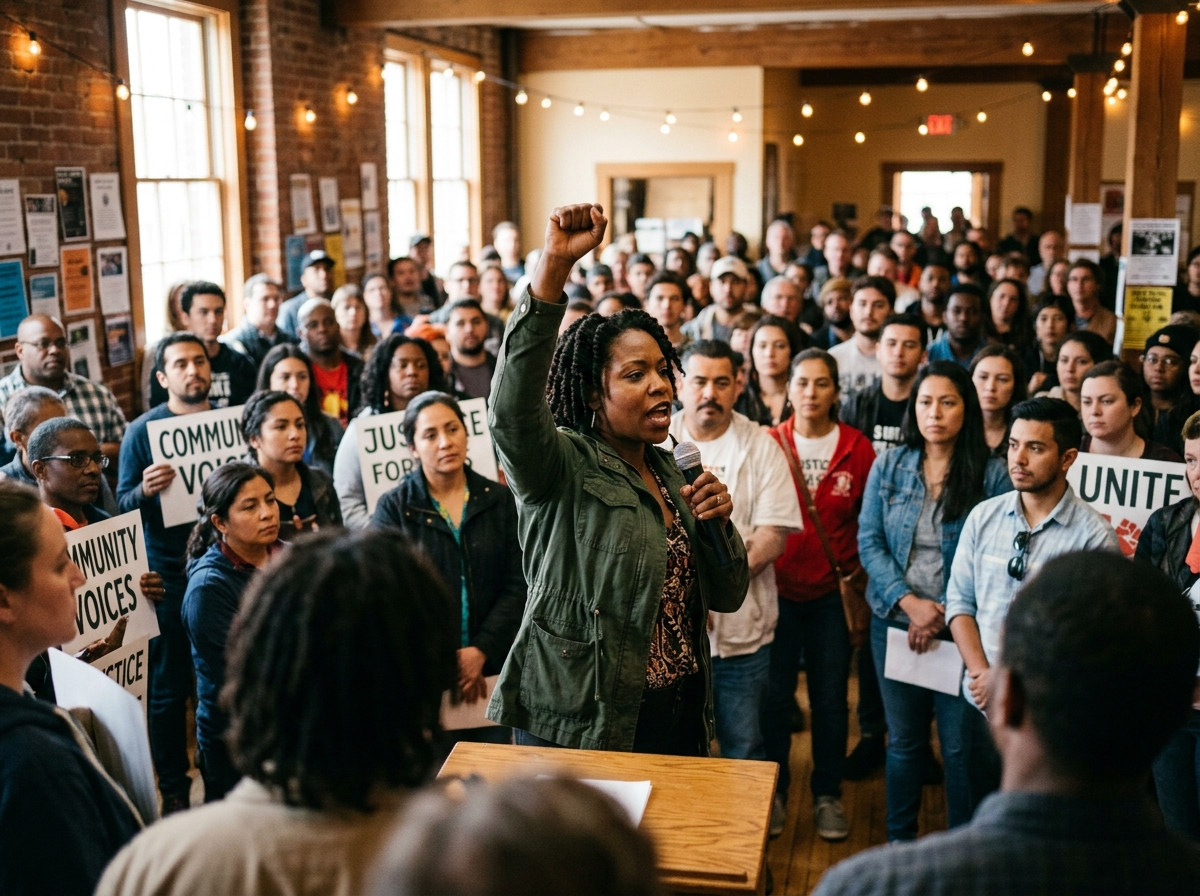
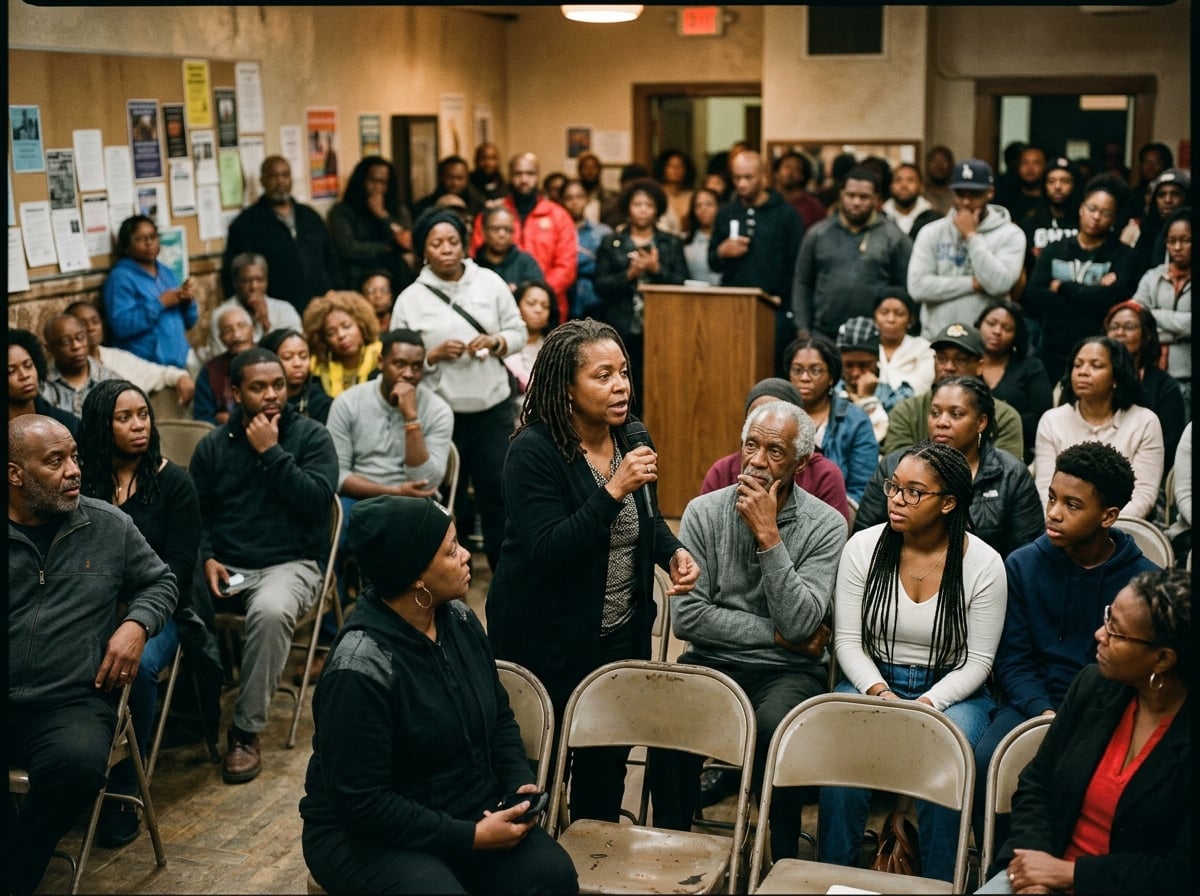
Black community town hall meeting organizing together

Here’s the math that doesn’t make it into the inspirational posts.

There are about 8,760 hours in a year. If you worked every single one of them — no sleep, no breaks, no weekends — and somehow earned $1,000 per hour, after 114 years you’d have roughly $1 billion.

That’s working every hour of every day for 114 years straight at a rate that most people will never earn in their lifetimes.

So how do people accumulate that in, say, 30 years?

You do it by extracting value from other people’s labor. You do it by underpaying workers — often workers of color, often in the Global South — for the true value they create. You do it by inheriting capital that was built on land theft and enslaved labor and turning that head start into compound interest over generations. You do it by capturing political systems that protect your ability to accumulate while limiting others’ ability to catch up.

This is not a theory. It’s the documented history of nearly every American fortune above a certain threshold.

Why This Is a Black History Issue

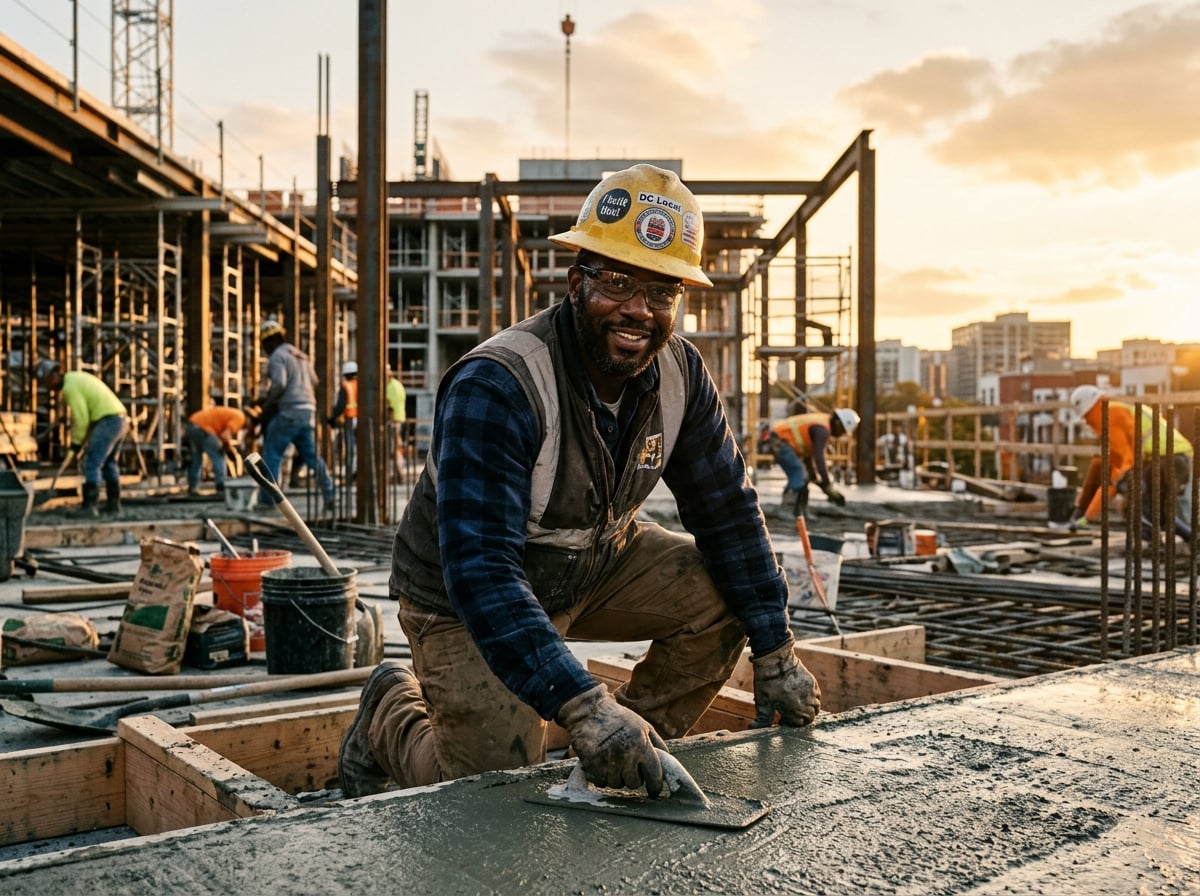
Black worker representing dignity of labor and community building

Our community didn’t just miss out on wealth — our wealth was actively taken.

The story of Black wealth in America is a story of extraordinary creation followed by systematic destruction. Reconstruction saw Black Americans build land ownership, businesses, and civic institutions with breathtaking speed after emancipation — only to have them burned, looted, or legally stolen.

Black Wall Street in Tulsa was not destroyed by market forces. It was destroyed by a mob with air support from the National Guard.

The 40 acres promised to formerly enslaved people were not withheld because the government ran out of land. They were specifically revoked by Andrew Johnson to restore plantation land to the Confederate families who had used enslaved labor to build it.

The wealth gap between Black and white families in America today is not the result of different work ethics. It’s the result of different histories — and one of those histories includes being legally prevented from accumulating wealth for centuries.

When we teach our children that billionaires “earned” everything they have, we are teaching them a story that requires them to also accept a story about why our community has less. And that story is a lie.

✊🏾 Join 500,000+ families keeping Black history alive at home.

Get tools, stories, and exclusive offers delivered to your inbox.

[SUBSCRIBE] - Newsletter Tag Posts

The Myth Serves a Function

Every great myth serves someone’s interest.

The myth that wealth equals virtue — that the richest people are simply the hardest-working, most innovative, most deserving — does a specific job. It makes the status quo feel natural. It makes inequality look like merit. It puts the burden of poverty on the poor and the credit for wealth on the wealthy, when the actual explanation requires looking at history, structure, policy, and power.

This myth is especially powerful in America because it pairs with another myth: that anyone can make it if they just work hard enough. The combination is lethal. It says that the wealthy deserve their wealth AND that if you don’t have wealth, you didn’t work hard enough or want it badly enough.

Our ancestors worked as hard as any human beings who ever lived. They were not compensated for it.

That’s not a chip on our shoulder. That’s a documented fact with a paper trail.

What We Teach Our Children Instead

Black family studying household finances together at kitchen table

We don’t teach our kids to be bitter. But we do teach them to be clear.

We teach them that wealth is built on systems — and systems can be built or dismantled by human beings. We teach them that our community has always been capable of extraordinary creation, and that what held us back was not ability but policy, violence, and deliberate exclusion.

We teach them to look at who benefits from any given story about how the world works. To ask: who does this explanation serve? What does it make invisible? What does it require me to believe about my own people?

And we give them the tools to find the answers. Our Black history flashcard collections cover the wealth history our children aren’t getting in school — from Reconstruction to Black Wall Street to the ongoing fight for reparations. Because they can’t build a future on a foundation they don’t understand.

If you want to go deeper, read about what Black women built that America forgot to mention — the economic contributions that were extracted and never credited.

Serious, Not Cynical

I want to be clear about something.

Understanding the real history of wealth in America is not the same as giving up. It’s not the same as hating rich people or refusing to build anything. It’s the same as doing what our best thinkers and fighters have always done: seeing the situation clearly and then deciding what to do about it.

Our community has built extraordinary things under extraordinary pressure. And when we understand why those things were stolen, suppressed, or undermined — when we name the actual mechanism instead of accepting the myth — we are better positioned to protect what we build next.

The wealth gap is not a mystery. The answer has a history. And our children deserve to know it.

What conversations are you having with your family about wealth, work, and history? How do you teach your kids to understand economic inequality without losing hope? I’m genuinely asking — hit the comments, because we learn from each other.

Don’t miss what matters.

Join the Urban Intellectuals family — history, culture, and tools for raising empowered Black children. Straight to your inbox.

[SUBSCRIBE] - Newsletter Tag Posts
Why People Are Waking Up to Freddie Taylor’s 50 Truths They Tried to Erase

Why People Are Waking Up to Freddie Taylor’s 50 Truths They Tried to Erase

Something is happening.

Traffic to Freddie Taylor’s 50 Truths They Tried to Erase: Black Power, Culture & Resistance Uncovered has been climbing — quietly, steadily, and then all at once. People are searching for it. Sharing it. Buying it. Reading it out loud to their kids at the kitchen table.

And I think I know why.

This Is What a Reckoning Looks Like

Black history books on desk representing knowledge and reading

We are living through a moment when the official version of American history is being aggressively dismantled. DEI programs defunded. School curricula scrubbed. Monuments to the Confederacy restored. The message from certain halls of power is clear: the truth about Black history is unwelcome.

And the response from our community? We’re buying the books. Searching for the resources. Refusing to let our children grow up on a sanitized version of who we are.

50 Truths is part of that refusal.

What the Book Actually Does

Freddie Taylor didn’t write a gentle survey of Black history. 50 Truths is confrontational by design. It surfaces the stories that were deliberately buried — not lost, not forgotten, buried — because the people in power knew that if Black Americans understood our full history, we would move through the world differently.

That’s not conspiracy thinking. That’s documented. The suppression of the history of Black Wall Street. The erasure of Black military service from the official record. The deliberate omission of Black inventors, engineers, scientists, and organizers from the textbooks that shaped generations of American children — Black and white.

50 Truths names names. It gives dates. It shows its work.

And right now, when our children are being told that their history is divisive — that learning about it makes other people uncomfortable — this kind of book isn’t just relevant. It’s necessary.

Why Right Now

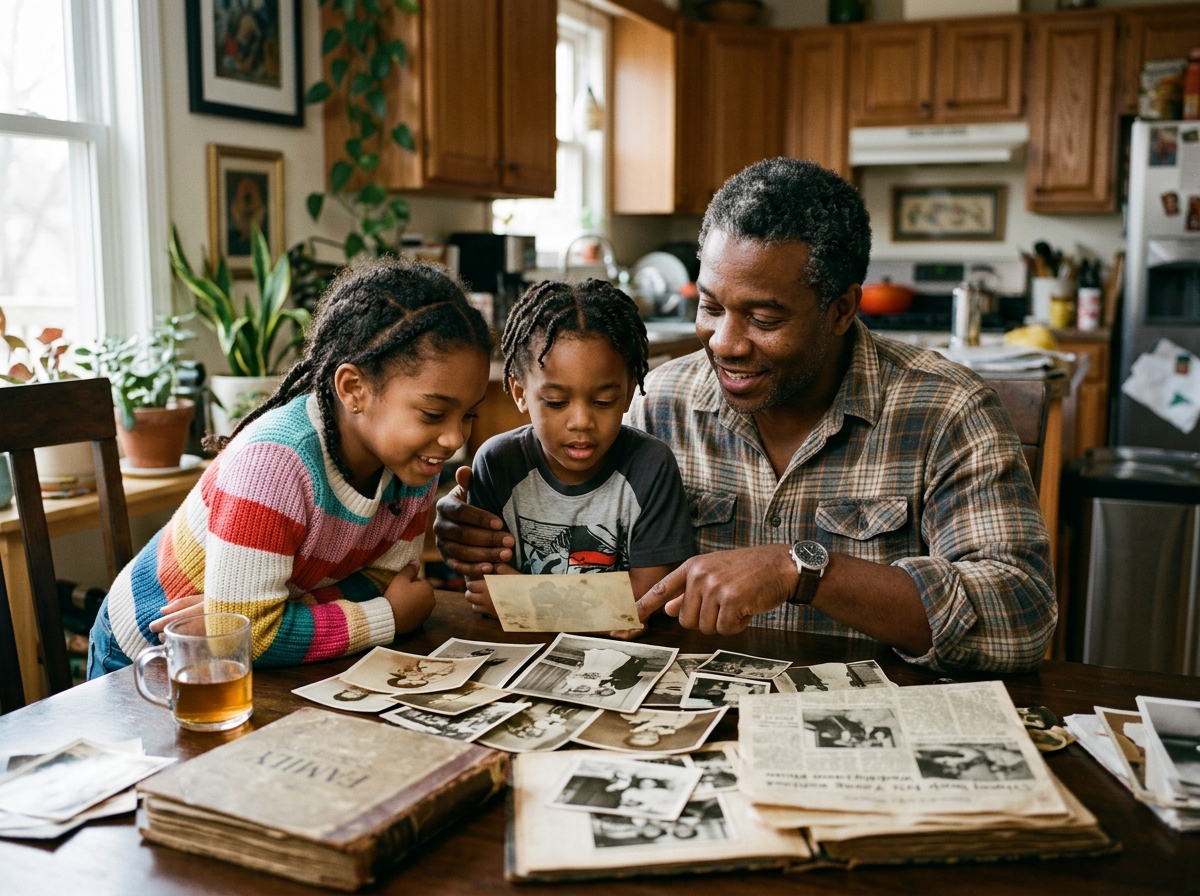
Black father sharing history and heritage with his children

The timing of this surge isn’t random.

When official channels try to suppress something, communities find it through other channels. When the curriculum says “we don’t teach that here,” parents go looking for what they’re not being taught. When the government pulls down the DEI website, search traffic to Black history resources spikes.

That’s what’s happening. People are not passive. They are not waiting for permission.

The same energy that’s driving people to Freddie’s book is driving the growth of our entire platform. People are searching for tools that do what the school curriculum won’t. They want the full story. They want resources that respect their intelligence and honor their heritage.

That’s why we built the Black history flashcard collections — the same impulse as 50 Truths, translated into something you can use at home with your kids in 10 minutes a night.

✊🏾 Join 500,000+ families keeping Black history alive at home.

Get tools, stories, and exclusive offers delivered to your inbox.

[SUBSCRIBE] – Newsletter Tag Posts

What Your Children Learn When You Show Them This Stuff

Here’s what changes when kids grow up with the real history.

They stop thinking of Black history as something that happened to us. They start understanding it as something we built — in the face of everything — with genius and grit and community and strategy.

They stop accepting the “exceptional Negro” framing — the idea that a few extraordinary individuals broke through despite the odds. They start seeing the collective power that has always existed in our community, and the deliberate, documented effort to suppress it.

They develop what I can only call historical immunity. When someone tries to tell them a distorted version of who we are, they know better. Not because someone told them to be suspicious — but because they already have the receipts.

That’s what 50 Truths gives families. That’s what tools like our flashcard decks give families. The receipts.

For the Grandparents Especially

Black grandfather and granddaughter sharing history together

I want to speak directly to the grandparents for a moment.

You lived through things that aren’t in any textbook. You have memories and family stories that are primary sources. You are the living archive.

When you sit down with your grandchildren and open a book like 50 Truths, or pull out flashcards about Black history, you’re not just reviewing facts. You’re saying: this is who we are, and I’m here to make sure you never forget it. That’s the most powerful teaching that exists. No classroom can replicate it.

The Surge Is a Signal

When a book about suppressed Black history starts trending — when people are finding it, sharing it, and putting it in the hands of their children — that’s not a marketing story. That’s a cultural one.

It means our community is paying attention. It means parents and grandparents are not waiting for the school system to do the right thing. It means we are doing what we have always done: finding the truth and passing it on.

That’s the tradition. That’s the resistance. And it never stopped.

What’s your family reading right now? What Black history resources are you reaching for in this moment? Share in the comments — because these recommendations matter. What you pass on to your kids is part of the archive too.

Click here to grab the book.

Don’t miss what matters.

Join the Urban Intellectuals family — history, culture, and tools for raising empowered Black children. Straight to your inbox.

📖 You might also like: Start Here: What Is Urban Intellectuals and Who Is It For?

[SUBSCRIBE] – Newsletter Tag Posts

Also see: 50 Truths They Tried to Erase: Why This Book Is Hitting Different Right Now

When 123 Nations Said Yes — And America Said No

When 123 Nations Said Yes — And America Said No

When 123 nations stood up and voted yes — and the United States, Israel, and Argentina voted no — the whole world saw it.

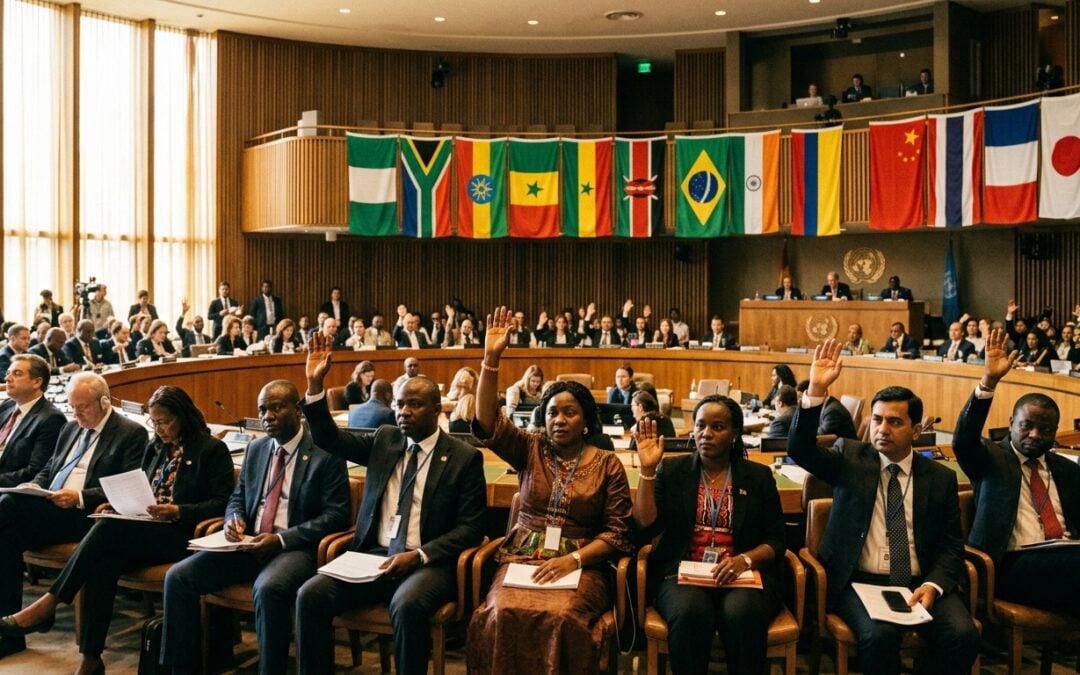
You can’t unsee a number like 123. That’s not a split decision. That’s not a close call. That’s the world — the majority of it, including most of Africa, the Caribbean, Latin America, and Asia — speaking in one voice.

And America said no.

What Actually Happened

Global South nations solidarity Africa UN vote

The UN General Assembly vote on a resolution demanding a ceasefire and protection for civilian lives drew 123 nations in favor. Three voted against: the United States, Israel, and Argentina.

That’s the same United States that has spent decades declaring itself the global protector of human rights and democracy. The same America that led the charge on international coalitions when it suited our foreign policy interests.

But 123 nations looked at the evidence — the bodies, the hospitals, the children, the families wiped from the civil registry — and voted yes. America looked at the same evidence and voted no.

This Isn’t New — This Is Pattern

Here’s what I need us to understand: this vote didn’t happen in a vacuum. It’s part of a documented pattern with a paper trail.

The United States has vetoed or voted against UN resolutions protecting Black and Brown lives more times than most people realize. From apartheid South Africa — where the US often abstained or blocked stronger action — to Haiti, to the Congo, to Palestine, the calculus is always the same.

Whose lives trigger international intervention? And whose lives get a no vote?

We’ve seen this pattern in our own history. When Black Americans demanded federal protection during the Civil Rights movement, Congress stalled. When Black communities demanded accountability for police violence, the federal response was to monitor the protesters, not the police. The people with power have always been reluctant to use that power in defense of people who look like us.

The 123 nations who voted yes understand something that American foreign policy still refuses to say out loud: human rights are not selective. You don’t get to claim them as your brand and then vote against them when it’s inconvenient.

Why the Black Community Should Be Paying Attention

Black mother and daughter reading history together

Fam, this is personal. Not just politically — personally.

The same arguments used to justify America’s no vote — “it’s complicated,” “both sides,” “we have strategic interests” — are the same arguments used to explain why our community’s pain is never quite urgent enough for federal action.

When 123 nations can see the evidence clearly enough to vote yes, but America votes no, that tells you something about where our government thinks human lives rank in the order of priorities.

And here’s what I want you to sit with: this is why we teach our children history at home. Because the version they’ll get in school will gloss over America’s voting record at the UN. It’ll present our foreign policy as noble and principled, with a few regrettable exceptions.

We know better. We’ve lived the exceptions.

✊🏾 Join 500,000+ families keeping Black history alive at home.

Get tools, stories, and exclusive offers delivered to your inbox.

[SUBSCRIBE] - Newsletter Tag Posts

What 123 Nations Voting Together Actually Means

I don’t want us to miss the significance of that number.

The Global South — Africa, the Caribbean, Southeast Asia, Latin America — came together in a way that rarely gets celebrated in American media. These are nations that the Western press usually covers as aid recipients or conflict zones or migration crises. They don’t get covered as a united moral voice.

But that’s exactly what 123 nations speaking together is: a moral voice. And it’s telling us something.

The world is not following America’s lead on this one. And that matters — because it means the political cover that has always come from “international consensus” is eroding. More and more, America’s no votes are standing alone on the wrong side of history.

Our ancestors knew what it felt like to be on the receiving end of a no vote from people with power. They knew what it felt like to petition and protest and prove your humanity over and over and still be told no.

When we teach our children about the world, we have to teach them this history too.

What We Can Do From Here

Black activist community organizing meeting

This isn’t a moment to despair. It’s a moment to be clear-eyed.

Know the vote. Bookmark it, share it, teach it. When someone tells you America always stands on the right side, you have a documented, public record that says otherwise.

Connect the dots for your children. History isn’t just the past — it’s the pattern that explains today. The UN vote, the civil rights struggles, the ongoing fight for accountability at home: it’s the same story, told across generations.

Support the educators who refuse to sanitize it. Whether that’s an independent school, a homeschool curriculum, a community program, or resources like our Black history flashcard collections — find tools that tell the whole truth.

History Is Watching

123 nations voted yes. Three said no.

That’s not a footnote. That’s a verdict. And history has a long memory.

Our job — as parents, as grandparents, as community members — is to make sure our children grow up knowing the truth about how power works in this world. Not the textbook version. Not the version that paints America as the reluctant hero who sometimes makes hard choices.

The full version. The honest version. The version where 123 nations stood up for human lives and three of the most powerful governments on earth said no.

That’s the version our children deserve to know.

What does this vote bring up for you? I want to hear how you’re talking about it with your family. Drop it in the comments — or read how we connect today’s politics to the long arc of Black history.

Don’t miss what matters.

Join the Urban Intellectuals family — history, culture, and tools for raising empowered Black children. Straight to your inbox.

[SUBSCRIBE] - Newsletter Tag Posts
What Really Happened to Zelalem Eshetu Ewnetu: The Black Engineer Killed by LA Sheriffs

What Really Happened to Zelalem Eshetu Ewnetu: The Black Engineer Killed by LA Sheriffs

🎙️ LISTEN TO THIS ARTICLE

Prefer to listen? We turned this article into a podcast conversation.

In April 2017, a 28-year-old engineer named Zelalem Eshetu Ewnetu was shot and killed by Los Angeles County Sheriff’s deputies in the parking lot where he slept.

He wasn’t running from police. He wasn’t accused of a violent crime. He was a Black Ethiopian immigrant who’d come to America on a scholarship, earned his degree from the University of Idaho, and built a career as an engineer for the California Public Utilities Commission.

Eight years after arriving full of promise, he was dead.

The Official Story vs. The Questions

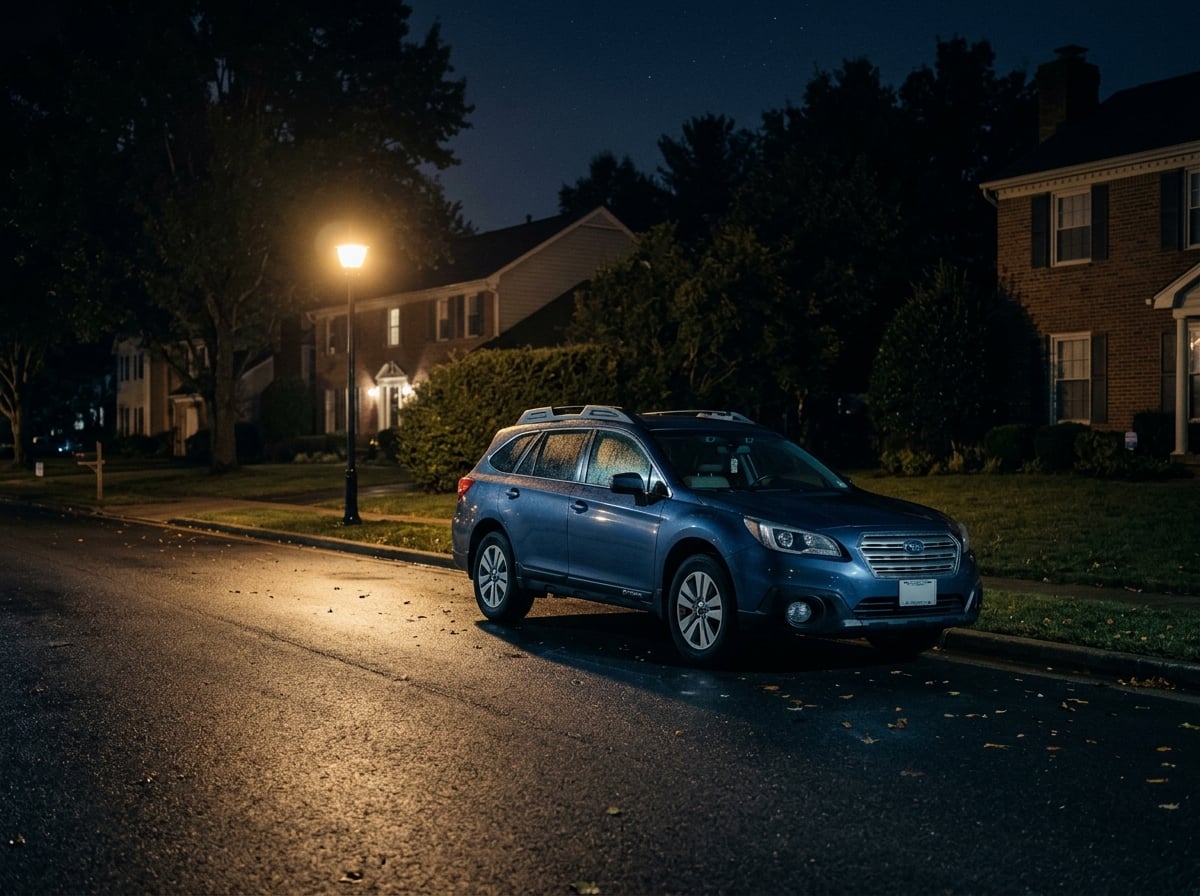
Police evidence vehicle with bullet holes

Deputies say they approached Ewnetu’s vehicle after smelling marijuana and spotting what looked like a vehicle burglary in progress. According to their account, Ewnetu refused to exit his car. When they tried to remove him, they claim he brandished a gun and aimed it at them.

They fired. He died.

The District Attorney’s office reviewed the case and cleared the deputies, ruling it lawful self-defense. Case closed, right?

Not exactly.

What the Family Found

Ewnetu’s family started asking questions. And the more they looked, the less the official story held together.

First, there were the bullet holes. Photos of the vehicle showed shots through the rear windshield, which didn’t match the account of a face-to-face confrontation.

Then there were the conflicting statements. One police report said Ewnetu refused to exit and pulled a gun while still inside. Another version suggested he got out, broke free, and ran back to his car to retrieve a weapon.

Which was it?

A detective mentioned the gun was found in the back seat — a detail that raises questions about whether Ewnetu could have been aiming at deputies if the weapon was behind him.

The Pattern We’re Still Seeing

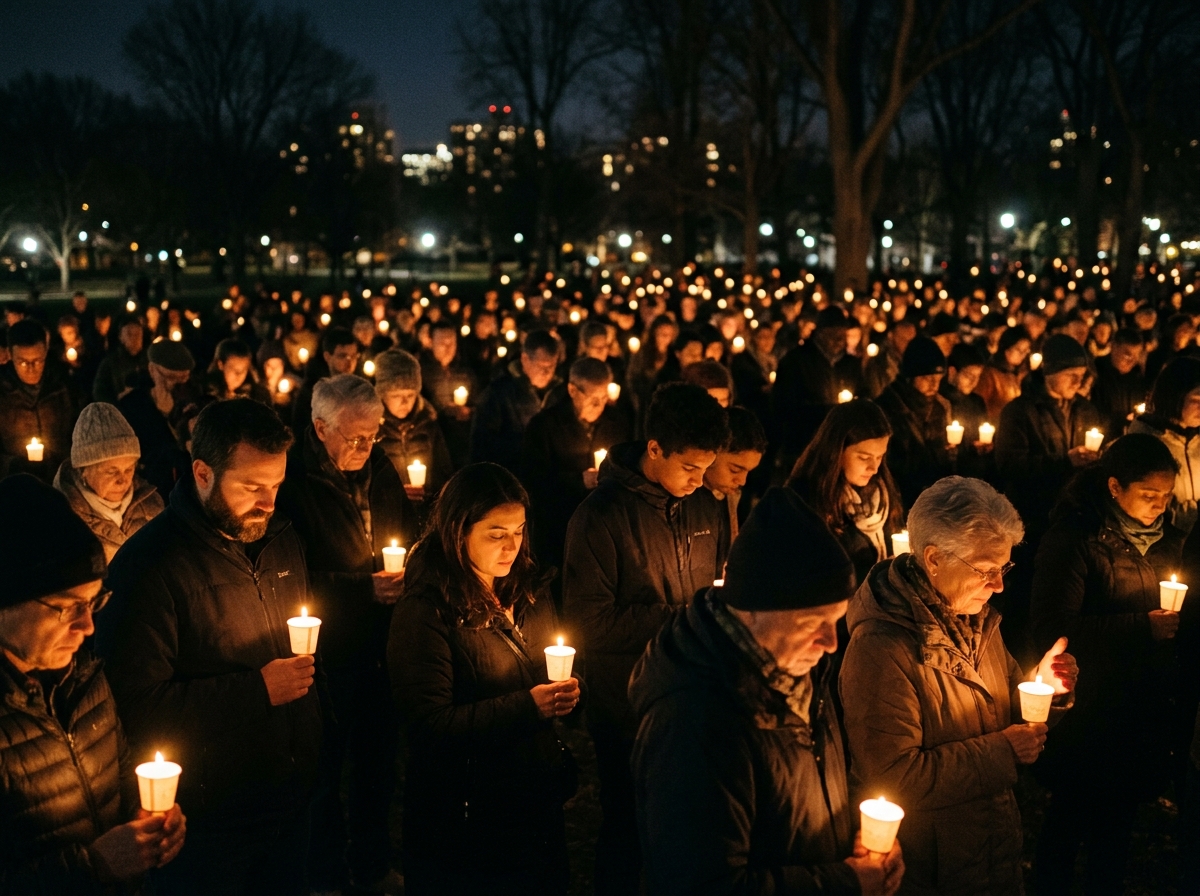
Community vigil with candles

This case isn’t just about one night in Los Angeles. It’s about a documented pattern with a paper trail.

Black and brown people — especially immigrants and those experiencing mental health challenges or homelessness — keep dying in encounters with law enforcement under circumstances that don’t quite add up.

Ewnetu wasn’t a threat to public safety. He was sleeping in his car. The “crime” deputies were investigating? A potential vehicle burglary that may have simply been a man resting in his own vehicle.

What Justice Looked Like

In 2018, Ewnetu’s family filed a wrongful death lawsuit against Los Angeles County, alleging negligence, battery, and civil rights violations. They argued that deadly force was “unnecessary and unlawful” — that their son posed no real threat that night.

In July 2022, they reached a tentative settlement. Money can’t bring him back. But it was an acknowledgment, however quiet, that something went wrong.

Why We Need to Remember

Professional Black engineer portrait

Zelalem Eshetu Ewnetu wasn’t a statistic. He was a scholarship student who believed in America’s promise. An engineer who contributed to public infrastructure. A son, a brother, a member of the Ethiopian community.

When we say Black lives matter, we’re not just talking about the names that trend on social media. We’re talking about the Zelalems — the immigrants, the professionals, the quiet contributors who are supposed to be “safe” because they followed all the rules.

He followed the rules too. Look where it got him.

✊🏾 Join 500,000+ families keeping Black history alive at home.

Get tools, stories, and exclusive offers delivered to your inbox.

[SUBSCRIBE] – Newsletter Tag Posts

Teaching Our Children the Full Story

Cases like Ewnetu’s are why we teach our children to ask critical questions. To look beyond official narratives. To understand that history isn’t just what happened — it’s also what was recorded, what was buried, and what we choose to remember.

This is why we built the Black History Flashcards. Not just to celebrate triumphs, but to document the ongoing struggle. To give our children the tools to recognize patterns, question authority, and understand that their safety isn’t guaranteed by degrees or respectability.

Knowledge is protection. History is preparation. And every card in our deck is a reminder that our stories matter — all of them, especially the uncomfortable ones.

Explore Black History Flashcards and start building your family’s foundation today.

Don’t miss what matters.

Join the Urban Intellectuals family — history, culture, and tools for raising empowered Black children. Straight to your inbox.

[SUBSCRIBE] – Newsletter Tag Posts

If this story moved you, these pieces are part of the same conversation:

What questions do you think our children should be asking about encounters between Black people and police? Hit reply and tell me.

Love, peace, and power to the people.

What Black Women Built That America Forgot to Mention

What Black Women Built That America Forgot to Mention

Every March, America celebrates Women’s History Month.

And every March, the same names cycle through: Susan B. Anthony. Elizabeth Cady Stanton. Rosie the Riveter.

Meanwhile, Black women built half this country and can’t even get a paragraph in the textbook.

The Erasure Is the Point

History textbooks with magnifying glass revealing missing Black women stories

Let’s be clear about something: Black women aren’t missing from history because they didn’t do anything. They’re missing because including them would change the entire story America tells about itself.

If you teach (read about Ruby Bridges) that Mary Kenner invented the sanitary belt in 1957 — a device that improved the lives of millions of women — you also have to explain why no company would manufacture it for decades. Because she was Black.

If you teach that Dr. Rebecca Lee Crumpler became the first Black woman physician in America in 1864, you have to explain what kind of country makes that achievement impossible for everyone who came before her.

The erasure isn’t accidental. It’s structural. And Women’s History Month, the way most schools teach it, is part of the problem.

The Builders

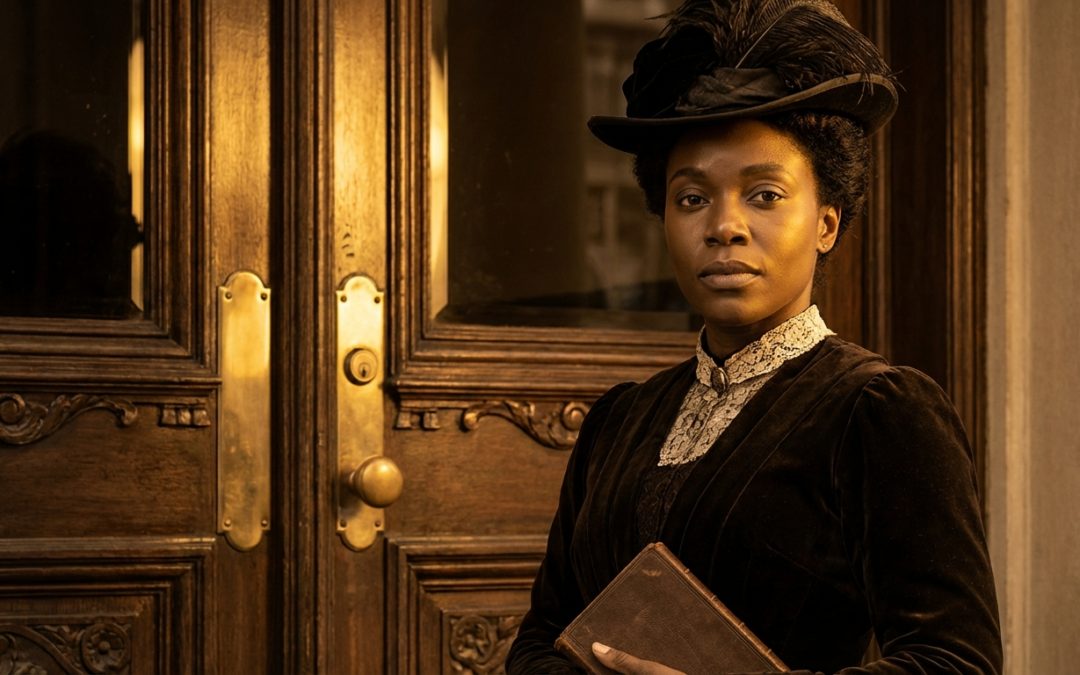
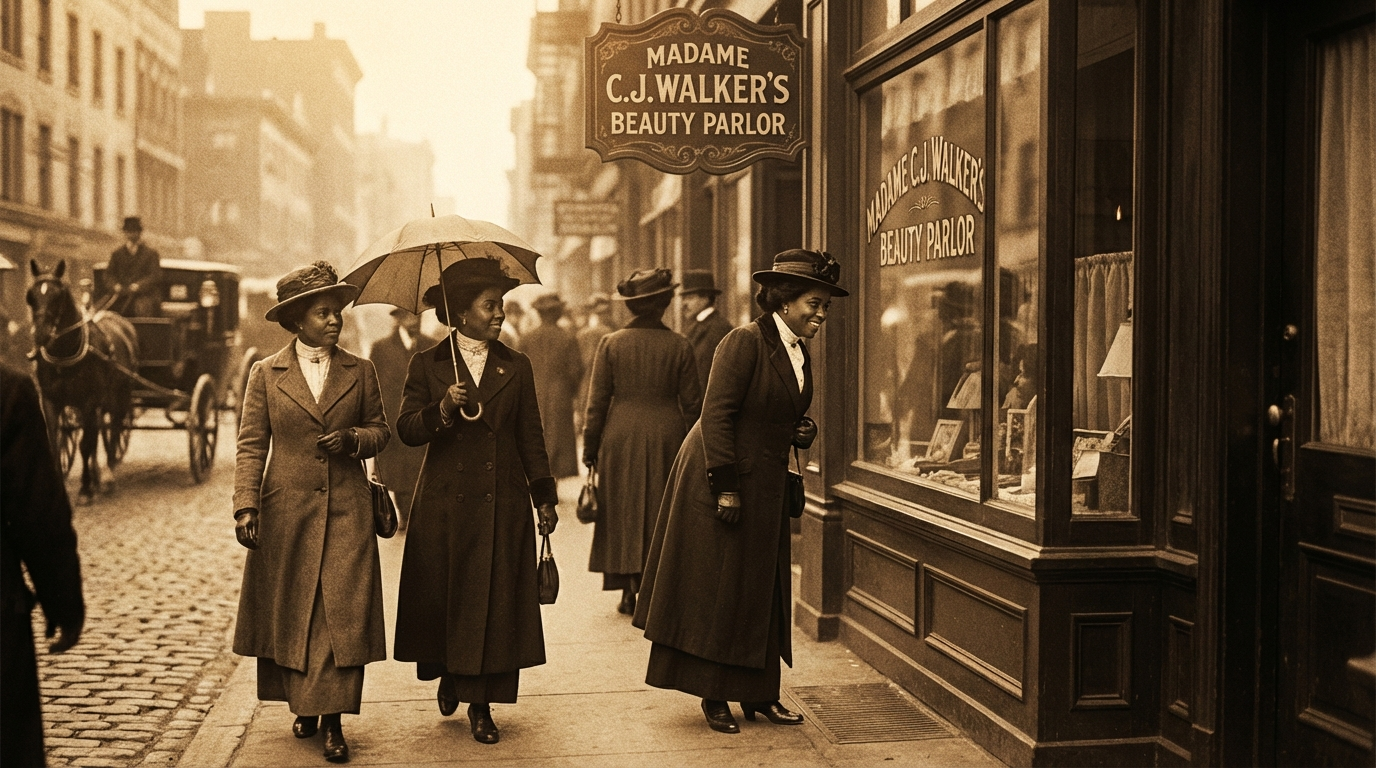
Vintage Black-owned beauty business storefront from the 1910s

Madam C.J. Walker didn’t just make hair products. She built the first self-made female millionaire empire in American history — in 1910, as a Black woman, in a country that wouldn’t let her vote for another decade. She employed thousands of Black women and gave them economic independence when the only other option was domestic work.

Maggie Lena Walker became the first woman of any race to charter a bank in the United States — the St. Luke Penny Savings Bank in Richmond, Virginia, in 1903. She didn’t wait for permission. She built financial infrastructure for an entire community that the banking system had locked out.

Annie Turnbo Malone was actually Walker’s mentor and built a beauty empire before her — including Poro College in St. Louis, which trained thousands of Black women in business. Her net worth hit $14 million in today’s dollars. You’ve probably never heard her name.

These women didn’t just succeed. They built industries from nothing, in a country designed to give them nothing.

The Healers

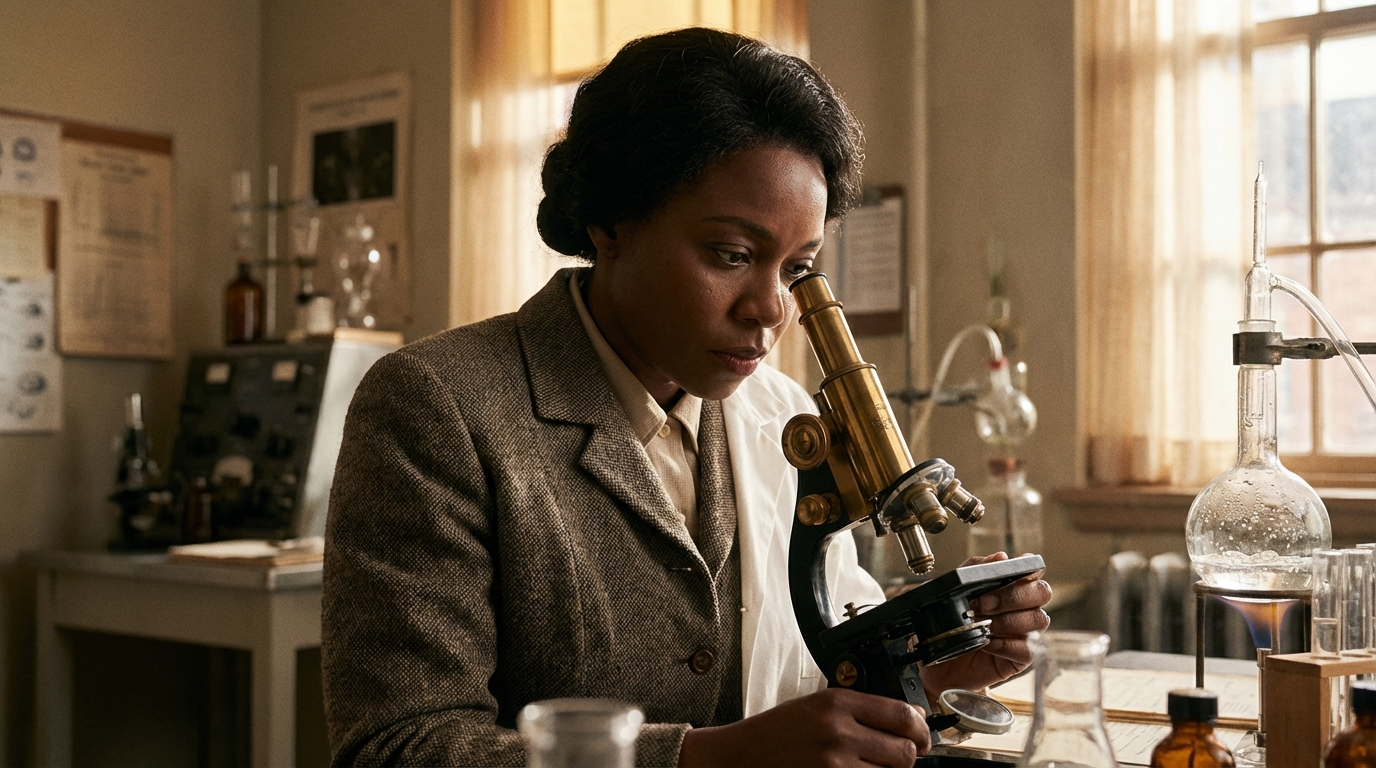
Black woman doctor in a 1950s hospital laboratory

Henrietta Lacks — her cells, taken without consent in 1951, became the foundation of modern medicine. The polio vaccine. Cancer research. COVID treatments. Her family didn’t see a dime for decades. The medical establishment built an empire on a Black woman’s body and didn’t even tell her family.

Dr. Patricia Bath invented laser cataract surgery in 1988 — a technology that has restored sight to millions of people worldwide. She was the first Black woman to receive a medical patent. She had to fight her own colleagues just to be allowed in the operating room.

Biddy Mason walked 1,700 miles behind her enslaver’s wagon train, won her freedom in a California courtroom, and then used her earnings as a nurse and midwife to buy property, found a church, and build institutions that served Los Angeles’s Black community for generations.

Your kids (read about 7 Things Every Black Parent Should Tell Their Child) should know these names. These are the women who healed us, literally, while the system tried to break them.

✊🏾 Join 500,000+ families keeping Black history alive at home.

Get tools, stories, and exclusive offers delivered to your inbox.

[SUBSCRIBE] – Newsletter Tag Posts

The Fighters

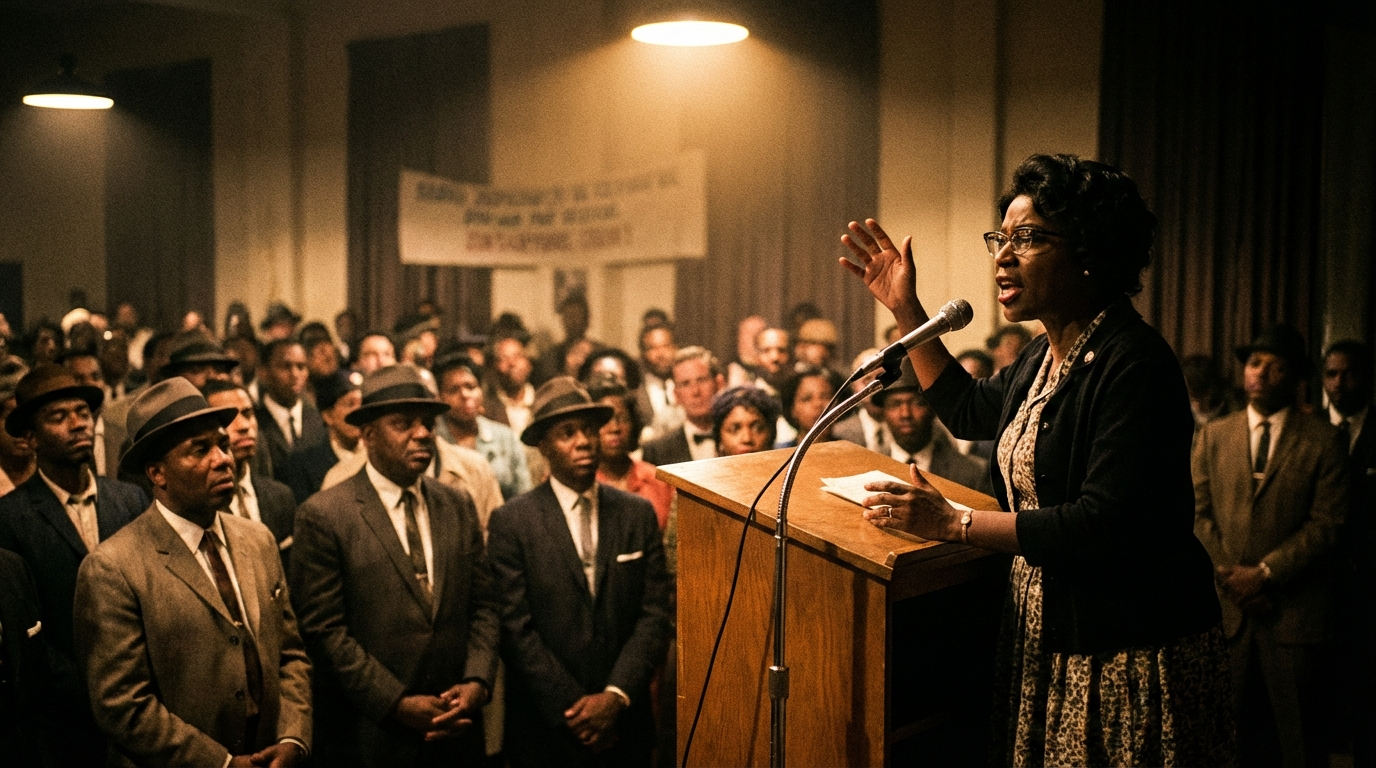
Black woman speaking passionately at a civil rights era meeting

Fannie Lou Hamer was beaten in a Mississippi jail for trying to register to vote. She went back. She testified before the Democratic National Convention. She said “I’m sick and tired of being sick and tired” and meant every word with her full chest.

Claudette Colvin refused to give up her bus seat nine months before Rosa Parks — at fifteen years old. The movement chose Parks as the face of the boycott because Colvin was a pregnant teenager and they worried about optics. She deserves her flowers.

Ella Baker organized the Student Nonviolent Coordinating Committee, mentored the young people of the movement, and deliberately stayed out of the spotlight because she believed in collective leadership over celebrity. Every sit-in, every freedom ride — her fingerprints were on the strategy.

These women didn’t just participate in history. They built the movements that other people got credit for.

Why This Matters for Your Family

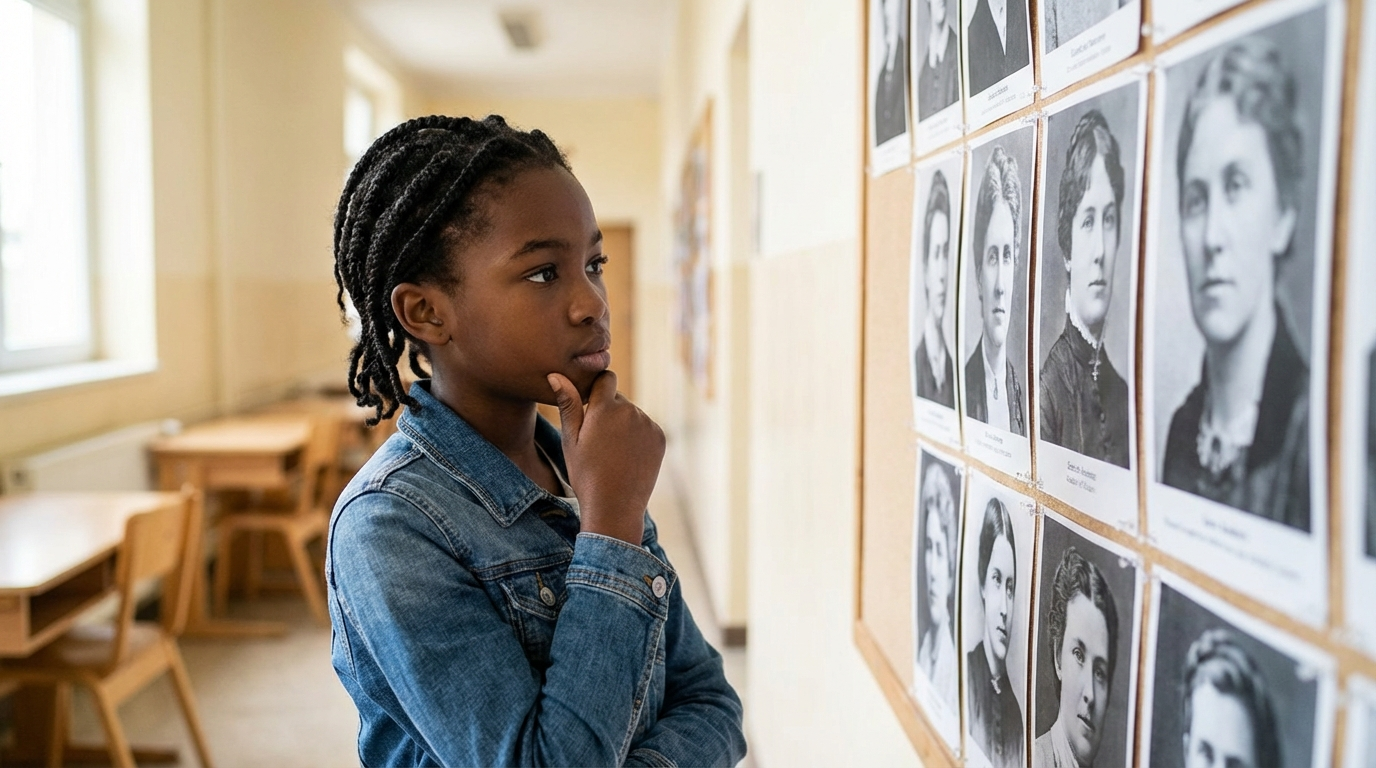
Young Black girl looking at a school bulletin board display

Here’s the thing about representation: when your daughter sees a “Women’s History Month” display at school with zero Black faces, she gets a message. When your son learns about inventors and scientists and every single one is white, he gets a message.

And the message is: we weren’t there. We didn’t contribute. We don’t count.

That’s a lie. And it’s our job to correct it.

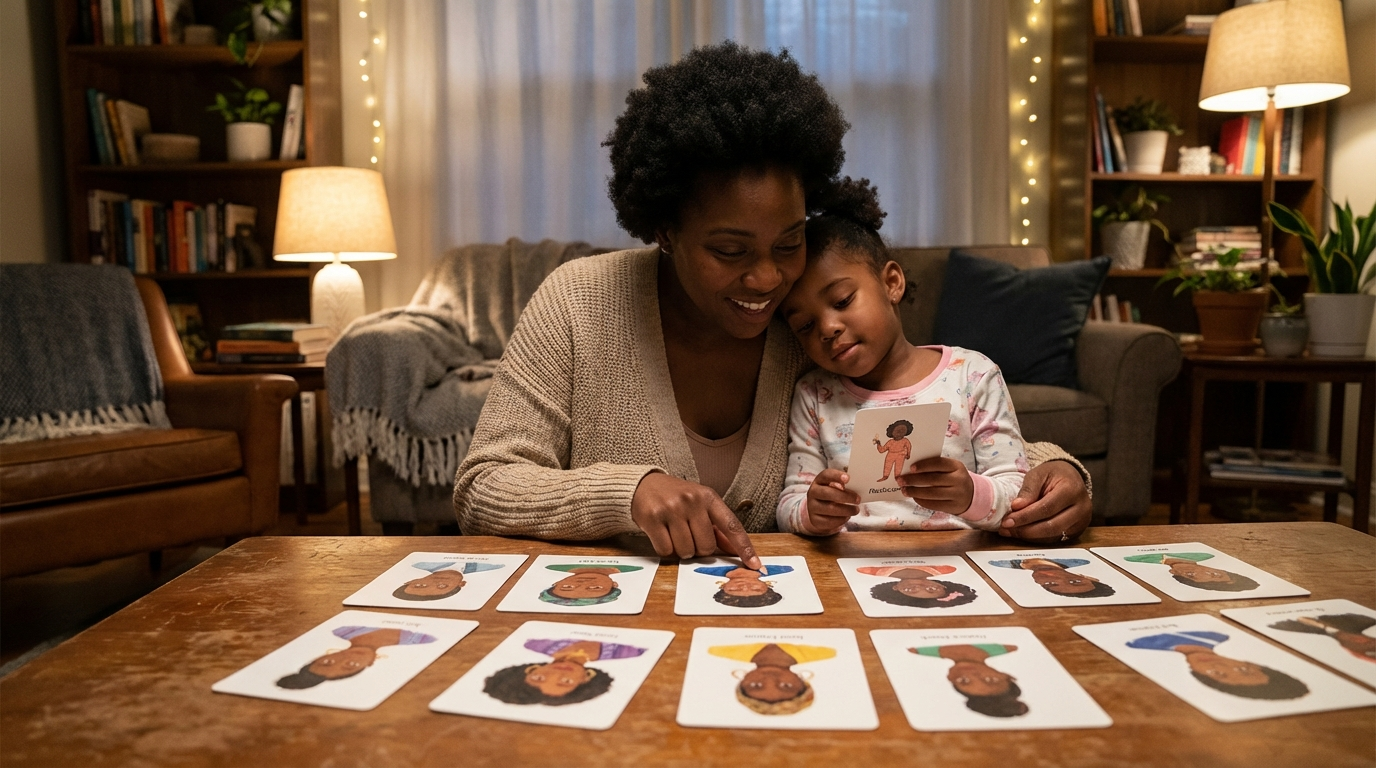
That’s why the Women’s Edition Black History Flashcards exist — 52 cards featuring Black women who changed the world. Not as a supplement to the “real” history. As the history that’s been deliberately kept from your family.

Put them on the dinner table. Quiz each other. Let your kids hold these names in their hands.

Don’t Wait for the Textbook

Black mother and daughter studying flashcards with portraits of Black women

Women’s History Month ends in a few days. But teaching your children about Black women who built this country? That’s a year-round commitment.

Start tonight. Pick one name from this post. Look her up together. Talk about what she did and what it cost her.

Then ask your kids: “Why do you think we didn’t learn about her in school?”

That conversation alone is worth more than a month of bulletin boards.

And once they know about these women — the real question is: can they recognize when that legacy is being erased in real time? Read: Teaching Your Kids to See the Mask Before It Slips.

Which Black woman do you think deserves way more recognition than she gets? Tell me — I want to hear your pick. ✊🏾

Don’t miss what matters.

Join the Urban Intellectuals family — history, culture, and tools for raising empowered Black children. Straight to your inbox.

[SUBSCRIBE] – Newsletter Tag Posts

0