
🎙️ LISTEN TO THIS ARTICLE
Prefer to listen? We turned this article into a podcast conversation.
You know the moment.
Someone says something that sounds almost fine. Almost friendly. And then — just for a second — the mask slips. The comment that reveals what they really think. The “compliment” that’s actually an insult. The policy that’s technically neutral but lands on Black people every single time.
Your kids are going to encounter this. Probably already have. The question is: will they recognize it?
Why the Mask Exists

Racism in 2026 doesn’t usually announce itself.
It doesn’t wear a hood. It doesn’t use slurs in public. It’s learned to code-switch, to dress itself up in plausible deniability, to hide behind “I didn’t mean it like that” and “You’re being too sensitive.”
That’s by design. Overt racism gets consequences now — social, professional, sometimes legal. So it went underground. It learned to perform. It put on a mask.
And the mask is harder to fight than the hood ever was. Because when your child can’t name what just happened to them, they internalize it. They start wondering if maybe they really are being too sensitive. Maybe they really didn’t deserve that opportunity. Maybe the teacher really does grade everyone that way.
The mask works because it creates doubt. And doubt is corrosive.
What the Mask Looks Like
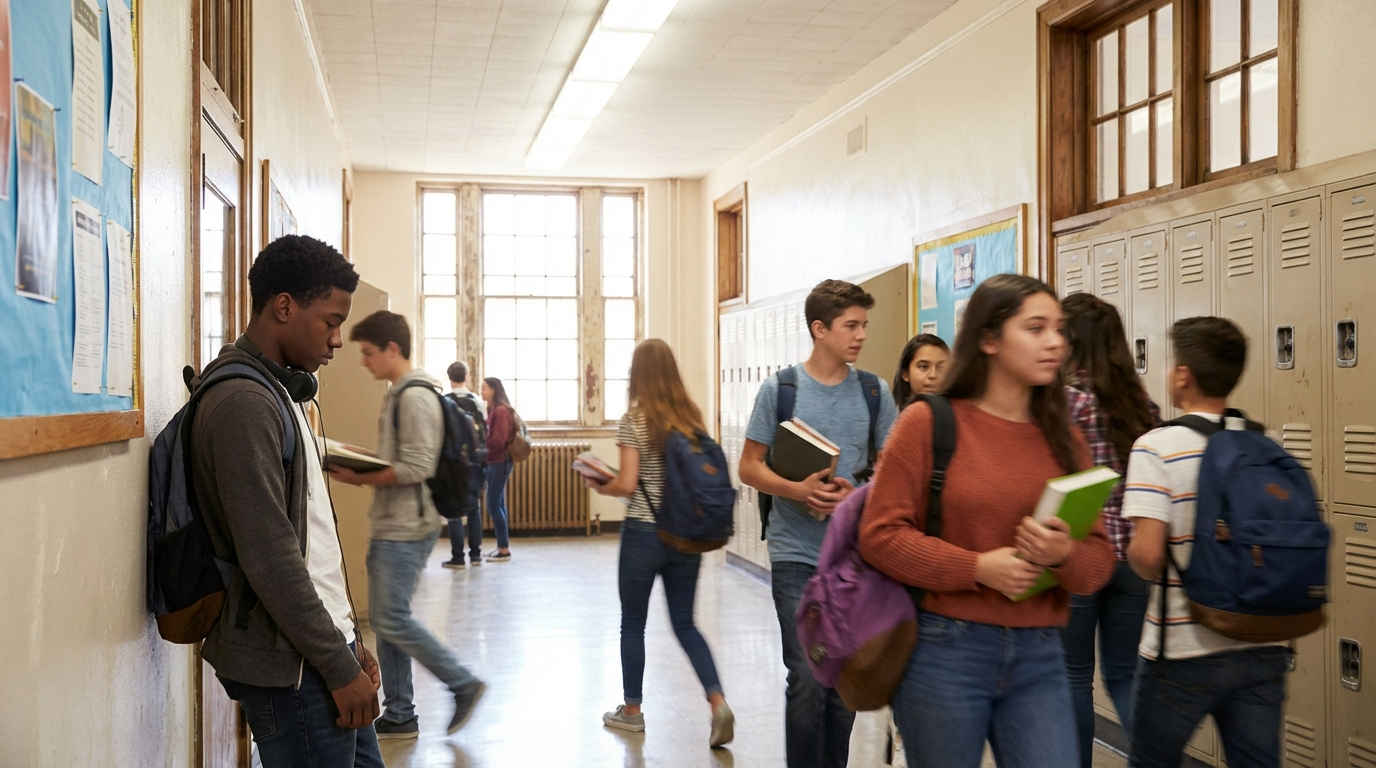
Let’s get specific, because your kids need concrete examples — not abstract lectures.
The surprised compliment: “Wow, you’re so articulate!” Translation: I didn’t expect a Black person to speak well. It’s dressed up as praise, but the surprise is the tell.
The selective enforcement: The dress code that targets locs and braids but not messy buns. The “zero tolerance” policy that somehow tolerates certain kids more than others. The rules are written neutral. The enforcement never is.
The friendly gatekeeping: “I just don’t think they’re a good fit for the advanced track.” No specifics. No data. Just a feeling — and that feeling has a pattern.
The revisionist comfort: “Slavery was a long time ago.” “My family never owned slaves.” “I don’t see color.” These aren’t just ignorant — they’re active erasure. They’re designed to make the speaker comfortable by making your child’s reality invisible.
The weaponized fragility: The tears. The hurt feelings. The “I can’t believe you’d accuse me of that.” Suddenly the person who caused harm becomes the victim, and your child is the aggressor for naming what happened.
Your kids need to be able to spot these patterns. Not to become paranoid — but to trust their own perception.
How to Talk About It
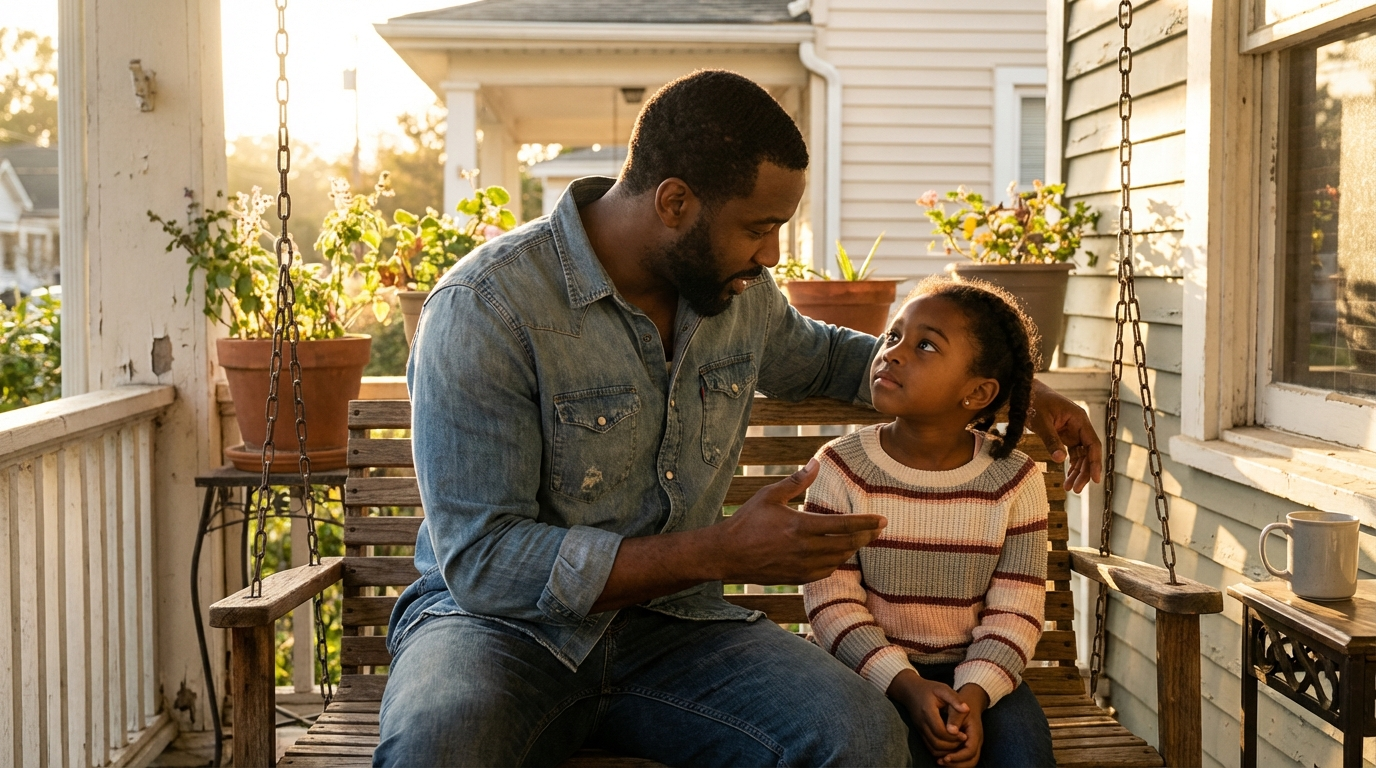
This doesn’t have to be a heavy, sit-down lecture. In fact, it works better when it’s woven into everyday life.
Name it in real time. When you see it on TV, in the news, at the store — point it out. “Did you notice what happened there?” Let them practice identifying it in low-stakes situations before they face it personally.
Validate their instincts. When your child comes home and says something felt wrong, your first response matters more than anything. Not “Are you sure?” Not “Maybe they didn’t mean it.” Try: “Tell me what happened. I believe you.”
Give them language. Kids who can articulate what’s happening to them are harder to gaslight. Teach them words like “microaggression,” “implicit bias,” “tone policing.” Not to use as weapons — but as tools for understanding their own experience.
Practice responses. Role-play scenarios. What do you say when a teacher questions whether you wrote your own essay? When a classmate touches your hair without asking? When someone tells you you’re “not like other Black people”?
Having a response ready doesn’t prevent the harm. But it prevents the freeze. And that matters.
✊🏾 Join 500,000+ families keeping Black history alive at home.
Get tools, stories, and exclusive offers delivered to your inbox.
The Line Between Awareness and Anxiety

Here’s where it gets delicate — and where a lot of parents struggle.
You want your kids to see clearly. You don’t want them to see threats everywhere. That’s not awareness; that’s anxiety. And a child who’s anxious about every interaction with non-Black people isn’t empowered — they’re exhausted.
The balance: trust your perception, but don’t assume the worst. Teach your kids that not every awkward moment is racism. Sometimes people are just awkward. Sometimes a bad grade is just a bad grade.
But also teach them: when a pattern emerges — when the same “accidents” keep happening to the same kids — that’s not bad luck. That’s a system.
The goal isn’t suspicion. It’s discernment.
Build Their Foundation
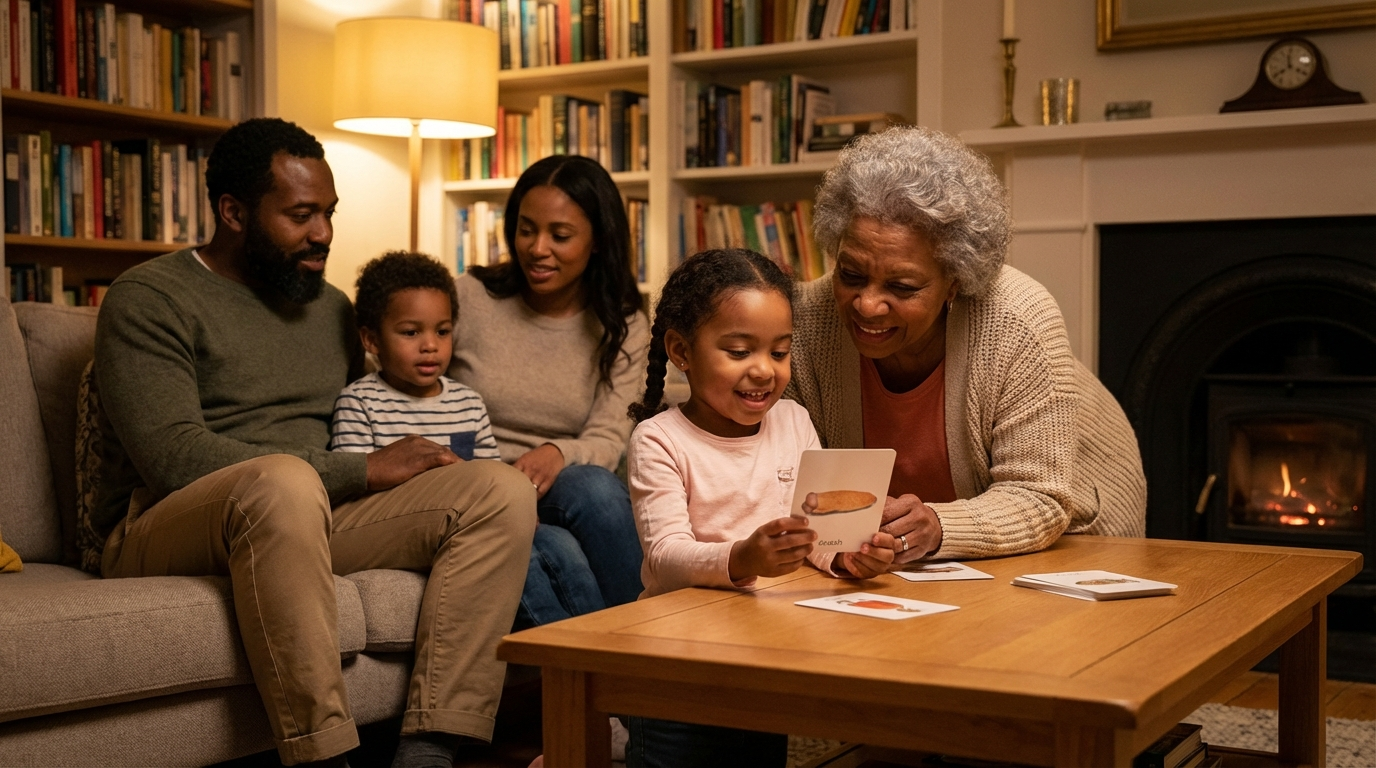
A child who knows their history is harder to shake.
When your daughter knows about Fannie Lou Hamer, she understands that speaking truth to power is a tradition, not a personality flaw. When your son knows about Robert Smalls, he understands that Black excellence has always existed — regardless of what anyone’s “surprise” implies.
That’s why building historical knowledge isn’t just academic. It’s armor. (Looking for ways to build that foundation? Try 12 Black History Activities at Home Kids Actually Love.) It’s the foundation that makes the mask recognizable because your child already knows the pattern goes back centuries. (Understanding that history starts with conversations — read How to Talk to Your Black Child About Racism.)
A child rooted in their story doesn’t need external validation. And someone who doesn’t need your approval is very hard to manipulate.
📚 Keep Building:
Start the Conversation
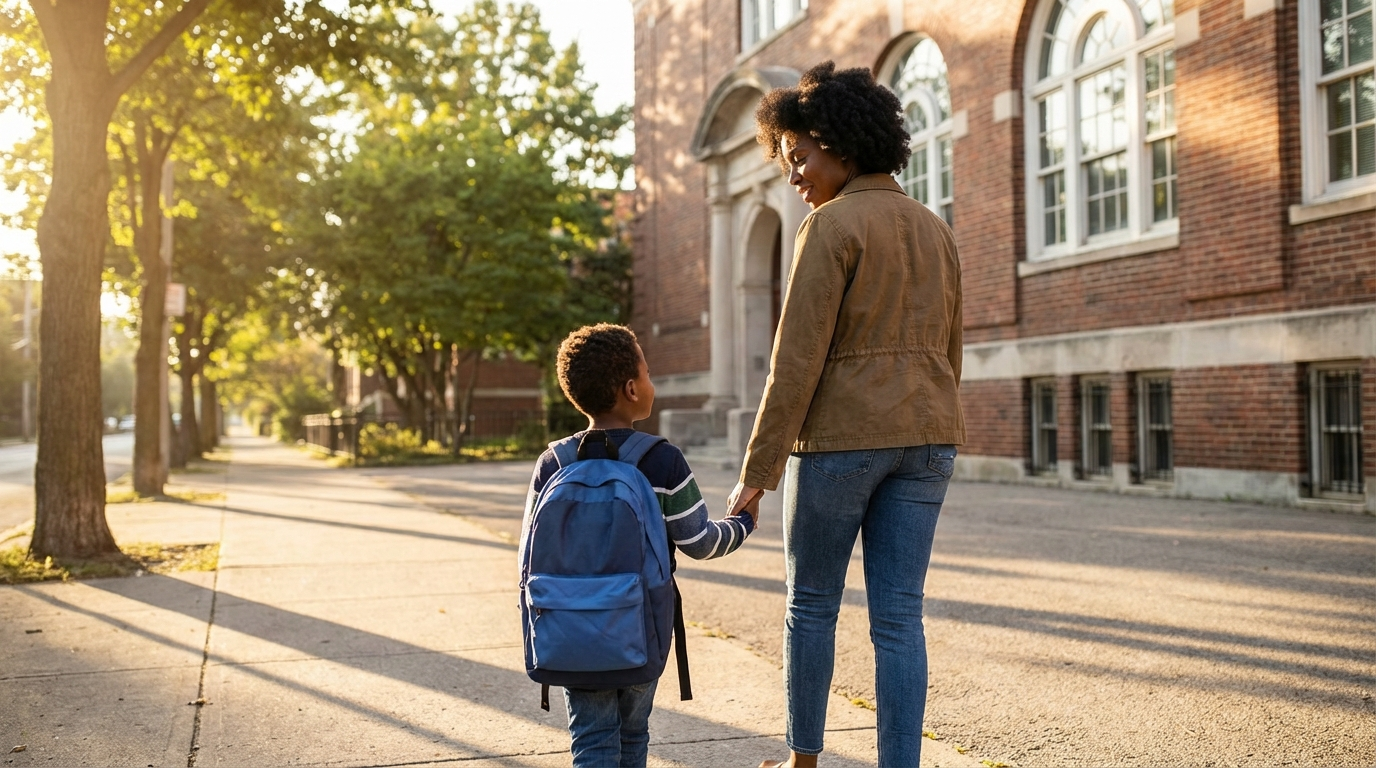
You don’t need a curriculum. You need ten minutes and honesty.
Tonight, ask your kids: “Has anyone ever said something to you that sounded nice but felt wrong?”
Listen to what they say. Don’t fix it. Don’t minimize it. Just listen.
Then tell them: “That feeling? Trust it. It’s real. And you’re not the first person in our family to feel it.”
Connect them to the generations before who felt it too — and fought back anyway. That’s not a burden to pass on. It’s a gift.
What’s the moment you realized your own child was old enough for this conversation? Share your story — we’re all learning from each other. ✊🏾
Don’t miss what matters.
Join the Urban Intellectuals family — history, culture, and tools for raising empowered Black children. Straight to your inbox.
Related: Druski Isn’t Robinson: What the Difference Tells Us About How We Raise Our Kids


 Flashcards
 Games
Games Apparel & Homeware
 Travel
 Schools
 Memberships
 Sankofa Club (Children)
 About Us