15% off on your first order Click here to sign up

Meet Freddie Taylor: The Man Who Built a Black History Empire at Your Kitchen Table

Meet Freddie Taylor: The Man Who Built a Black History Empire at Your Kitchen Table

Twenty years ago, a man sat down and decided to do something most publishers said couldn’t sell.

He wanted to put Black history in the hands of Black families — not as a school assignment, not as a museum exhibit, but as something you could hold at the kitchen table, pass to your grandmother, show your kids before dinner.

That man is Freddie Taylor. And if you’ve found your way to Urban Intellectuals, you’ve already felt his work — even if you didn’t know his name.

Who Is Freddie Taylor?
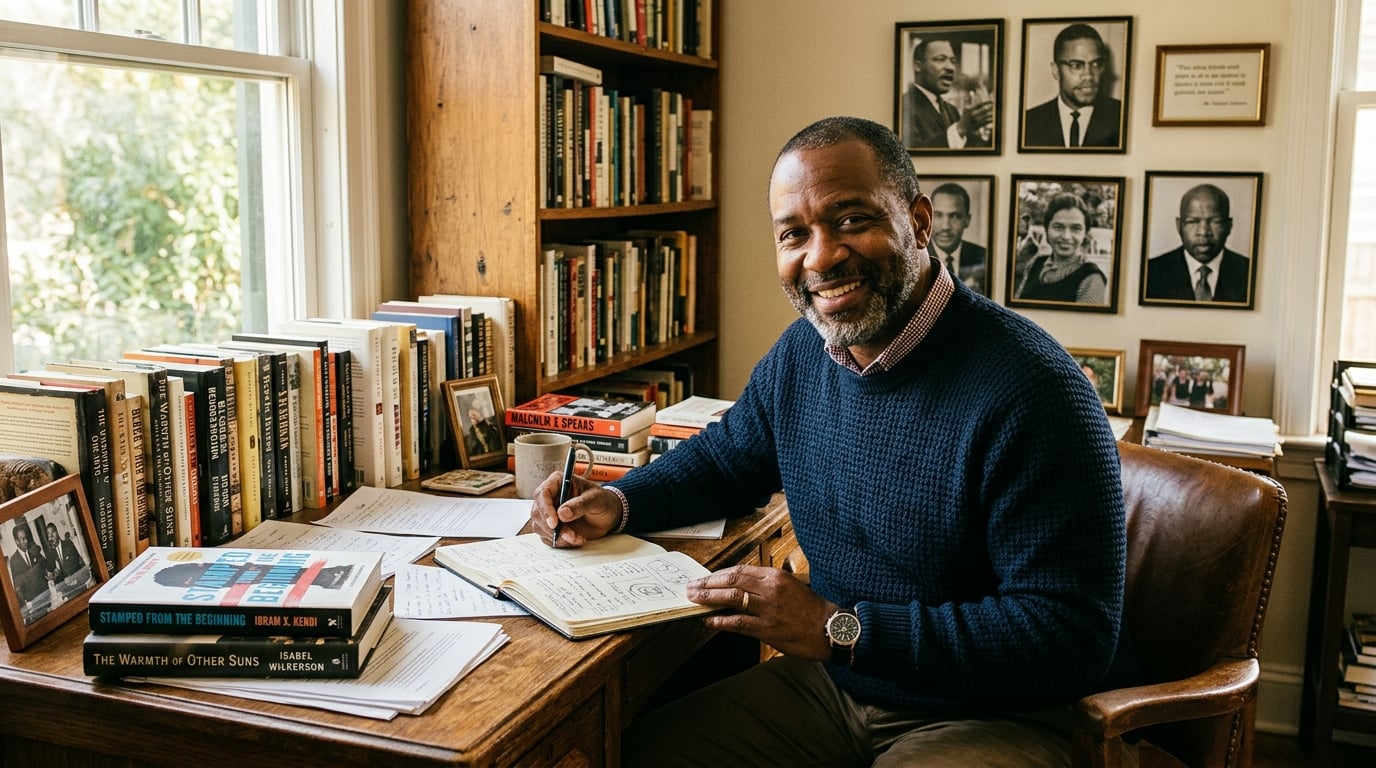
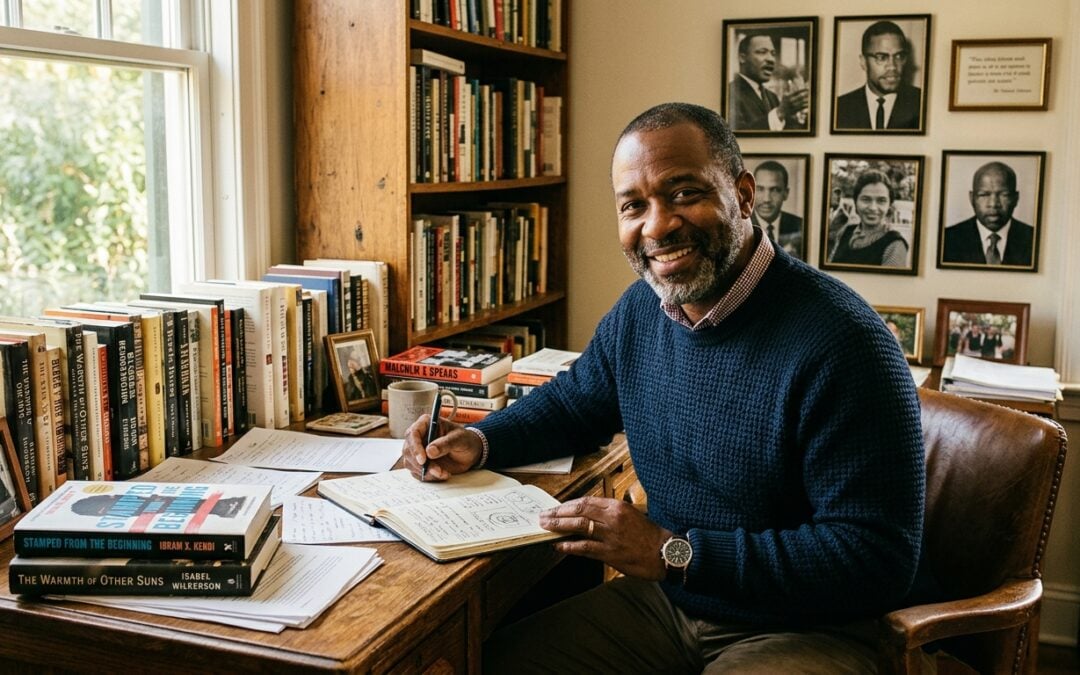
Freddie Taylor at his desk surrounded by Black history books

Freddie Taylor is the founder of Urban Intellectuals and the creator of the Black History Flashcard series — a collection of educational card decks covering everything from pre-1492 African history to the untold stories of Black women in science and academia.

📖 You might also like: Meet Freddie Taylor: The Man Behind Urban Intellectuals and Why He Built It

But who he is can’t be reduced to a job title. Freddie is someone who grew up knowing something was missing from what he was being taught. That the history of Black people in America and across the diaspora was being sanitized, erased, or quietly removed from classrooms and curriculums.

He decided to do something about it. Not with a petition. With a product.

Why He Built What He Built
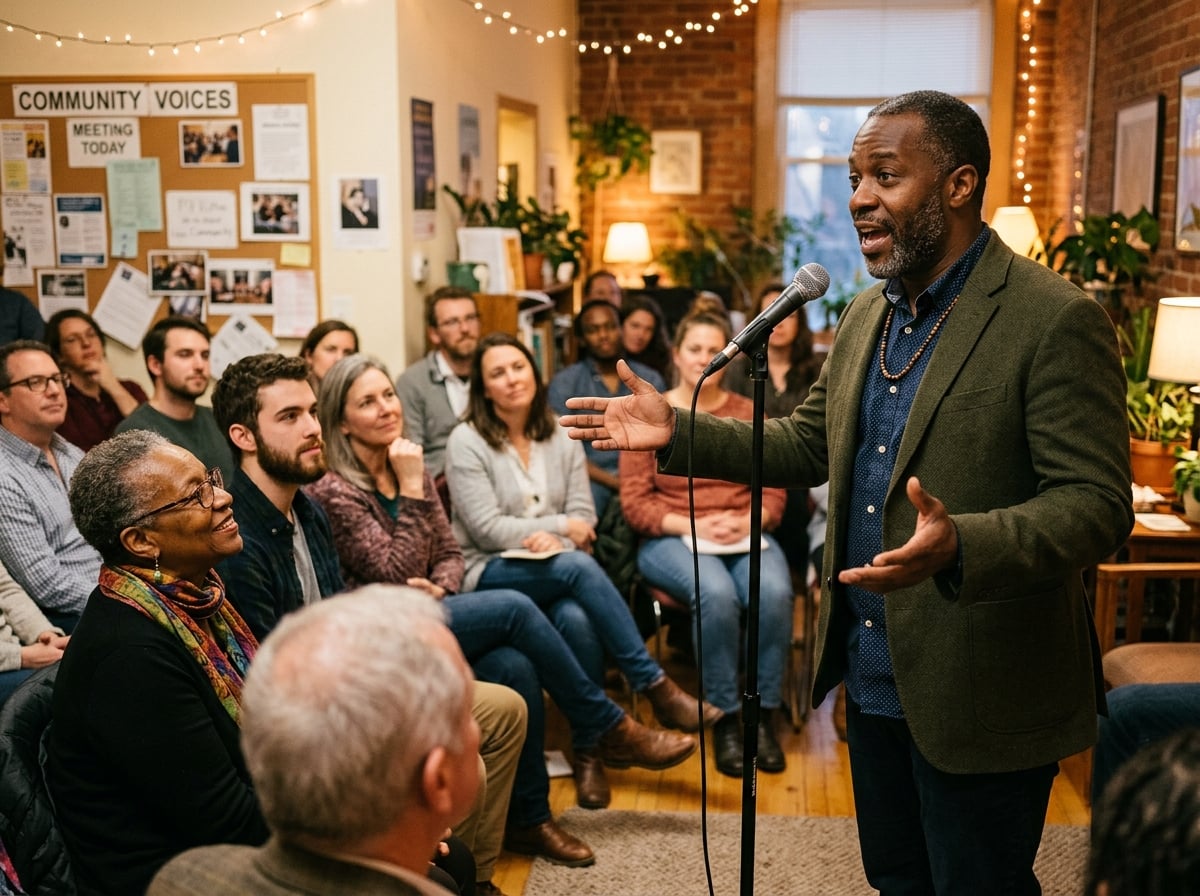
Black community members gathered in attentive discussion

The flashcard series started with a simple premise: what if every Black household in America had 52 cards that told the truth about who we are and where we came from?

Each volume contains 52 cards. That’s 52 entry points into history that the school system never gave us. Volume 1 covers the broad sweep of Black history and achievement. Volume 2 is dedicated entirely to Black women — the ones who don’t make it into the textbooks. Volume 3 digs into S.T.E.A.M. contributions. Volume 4 centers the Afro-Latino and Caribbean diaspora.

This wasn’t an accident. It was a mission with a plan.

“We built these to combat the miseducation and suppression of Black achievements around the globe,” Freddie has said. That’s not marketing language. That’s a purpose statement.

✊🏾 Join 500,000+ families keeping Black history alive at home.

Get tools, stories, and exclusive offers delivered to your inbox.

[SUBSCRIBE] – Newsletter Tag Posts

What Urban Intellectuals Actually Is

People stumble onto Urban Intellectuals in different ways. Some come through a Facebook share. Some find us through a search. Some get a flashcard deck as a gift and then go looking for who made it.

What they find is a company built on one conviction: that knowing your history isn’t optional if you want your children to know who they are.

Urban Intellectuals isn’t a bookstore. It’s not a curriculum company. It’s something closer to a cultural infrastructure project — building the tools that Black families need to have the conversations that matter.

The flashcard decks. The wall calendars. The books. Freddie’s writing. All of it is connected to that same thread: telling the truth, in formats you can actually use.

The 50 Truths That Changed Everything

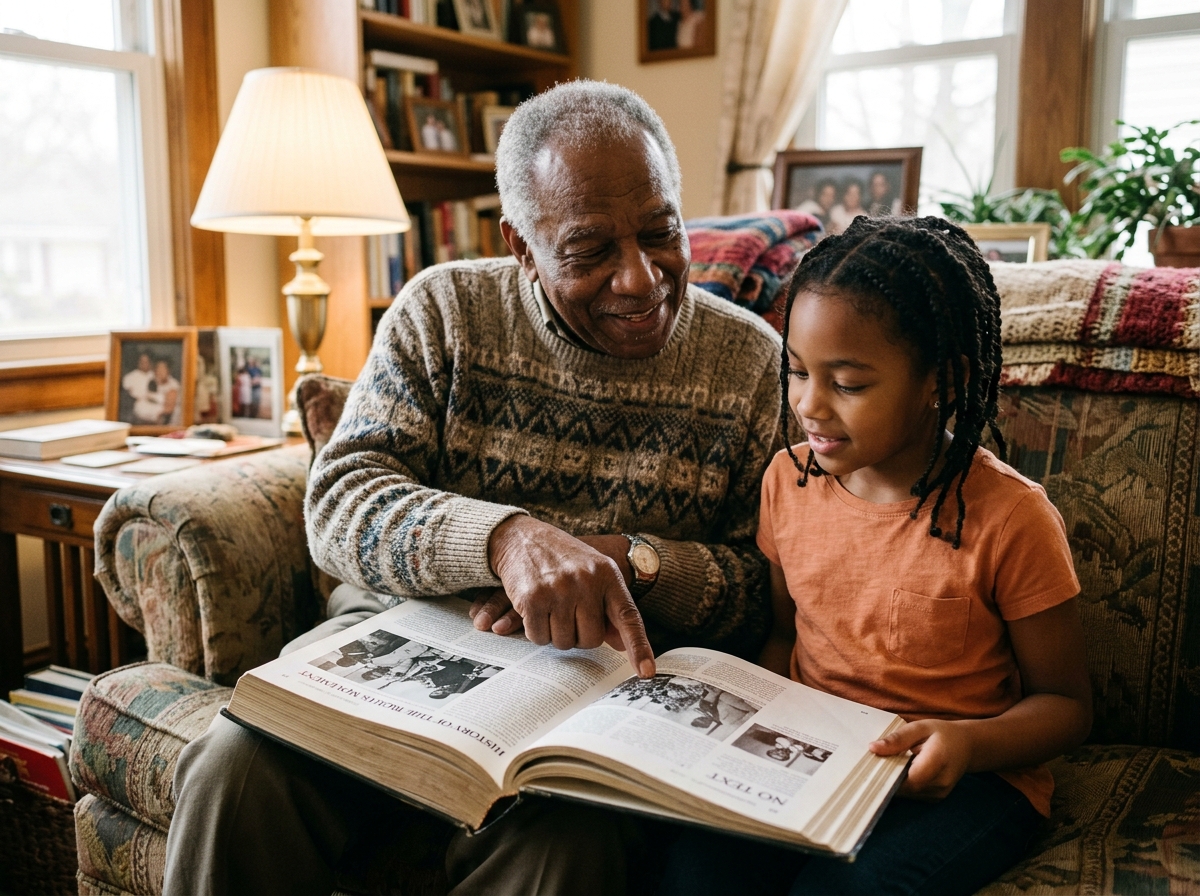
Grandfather and grandchildren learning from Black history flashcards

Freddie recently released 50 Truths They Tried to Erase — a book that does exactly what the title promises. It goes into the history that got buried, the leaders who were erased, the resistance movements that never made it into mainstream accounts.

This is the kind of work that only gets made by someone who’s been thinking about this for decades. Not a researcher collecting facts for a dissertation, but someone who has lived with the urgency of this history and believes deeply that you deserve to know it too.

The book has been flying off the digital shelves. If you haven’t picked it up yet, that’s worth fixing.

Why People Keep Coming Back

Here’s what I notice about this community: people don’t just buy once and disappear. They come back. They bring their mothers. They order extra decks for grandparents. They share posts in group chats.

That’s not a coincidence. It’s what happens when something is actually built for you — not for a test market, not for a trend cycle, but for the specific need you’ve been carrying your whole life.

Freddie built Urban Intellectuals for people who already knew the deal. Who already felt the weight of what was missing. Who just needed someone to show up and say: here it is. Here’s the real history. Here are the names. Here are the tools.

Looking for a fresh take on Freddie’s story? Read our updated piece: Meet Freddie Taylor: The Man Who Built a Black History Empire at Your Kitchen Table.

How to Get Started

Black child holding up a Black history flashcard with pride

If you’re new here, start with the flashcards. Browse the full collection here — there are volumes for different focuses and bundles that let you build out a complete home library of Black history at a fraction of what individual decks would cost.

If you want to go deeper, pick up 50 Truths They Tried to Erase. Read it yourself first. Then give it to the young people in your life and watch their understanding of who they are shift.

And if you’ve been here a while — welcome back. You already know why this matters. The question now is who else in your circle needs to find this community.

We’re here. We’ve been building. And we’re just getting started.

What brought you to Urban Intellectuals? Drop it in the comments — I’d love to know.

Love, peace, and power to the people.
— Freddie

Don’t miss what matters.

Join the Urban Intellectuals family — history, culture, and tools for raising empowered Black children. Straight to your inbox.


[SUBSCRIBE] – Newsletter Tag Posts

Start Here: What Is Urban Intellectuals and Who Is It For?

Start Here: What Is Urban Intellectuals and Who Is It For?

If you just found us — welcome. You’re in the right place.

Every week, tens of thousands of people land on this site for the first time. They come from a shared post, a family recommendation, a search for “Black history for kids” or “what to teach my children about their heritage.” Some of them have been looking for something like this for years.

This page is for all of them. This is your start-here guide to Urban Intellectuals.

Black family learning together with books and flashcards at home

What Urban Intellectuals Is

Urban Intellectuals is a Black family education platform. We build tools, resources, and community for families who believe that Black children deserve to grow up knowing their full history — not the sanitized, abbreviated version the standard curriculum provides, but the real thing. The documented thing. The thing with names, dates, and context.

📖 You might also like: Meet Freddie Taylor: The Man Behind Urban Intellectuals and Why He Built It and Meet Freddie Taylor: The Man Who Built a Black History Empire at Your Kitchen Table.

We were founded by Freddie Taylor, an educator and author who spent years watching Black families navigate a curriculum that wasn’t built with their children in mind. His response was to build the resources that should have existed already.

That’s what you’ve found here.

Who We Serve

We serve Black families — and any family raising children in the African American tradition, or any family that wants their children to know the real history of Black America.

That includes:

  • Parents who want to supplement what their kids are being taught in school — or actively correct it
  • Grandparents who are living archives and want tools to pass down what they know in a structured, engaging way
  • Homeschooling families who are building their own curriculum and want resources grounded in Black history and culture
  • Educators who want to bring more complete history into their classrooms
  • Anyone who grew up feeling like their history was missing from the story and wants to fill in the gaps
Black grandparent and grandchild with educational history flashcards

What We’ve Built

Our flagship product is the Black History Flashcard collection. These are physical, high-quality flashcards covering over 500 Black history figures, events, and concepts — from foundational Civil Rights leaders to lesser-known inventors, scientists, athletes, and organizers who shaped American history without receiving the credit they deserved.

The flashcards are designed to be used at home, in 10 minutes, around the kitchen table or in the car. Not a classroom supplement. A family practice.

We’ve also built:

  • 50 Truths They Tried to Erase — Freddie’s book documenting fifty suppressed pieces of Black history, with sources. Written for families. Used as a conversation starter, a reference, a counter-archive. Read why this book is surging right now.
  • The Women’s Edition Flashcards — focused specifically on Black women who shaped history, science, culture, and politics. Because the erasure of Black women’s contributions is its own particular kind of injustice.
  • The Black History Wall Calendar — a year of daily history, built for families who want history present in their home environment year-round, not just in February.
  • The Sankofa Club — our monthly membership for families who want a steady stream of new history, new resources, and community connection.

✊🏾 Join 500,000+ families keeping Black history alive at home.

Get tools, stories, and exclusive offers delivered to your inbox.

[SUBSCRIBE] - Newsletter Tag Posts

Why Right Now

We’ve been doing this for years. But the moment we’re in right now — 2026, with Black history under active political attack, with school curricula being scrubbed, with DEI programs defunded across the country — has given our mission a new urgency.

The pattern of suppressing Black history is not new. What’s new is how visible it is. How overt. How documented. And that visibility is driving hundreds of thousands of families to look for resources they can trust.

We’re here. We’ve been here. And we’re not going anywhere.

Black child proudly holding educational history flashcard

How to Start

If you’re new, here’s what we recommend:

1. Start with the flashcards. Pick up Volume 1 of the Black History Flashcards. Spend 10 minutes with them this week. See what your kids already know and what they don’t. Let the gaps in their knowledge open a conversation.

2. Subscribe to our newsletter. We send stories, history, resources, and exclusive offers to half a million families. It’s free. It’s one of the best ways to stay connected to what we’re building and learning about. Sign up below.

3. Read the blog. We publish regularly on Black history, parenting, culture, and the specific challenges of raising empowered Black children in this moment. Browse through and find what speaks to you.

4. Come back. This is a resource that grows over time. The more you engage, the more valuable it becomes. Bookmark us. Share what you find. Bring it to your family dinner conversations.

A Note From Us

Half a million families are part of this community. That number still moves us.

Because every one of those families represents a deliberate choice: to not let the standard curriculum be the last word on what their children know about themselves. To go looking. To keep the archive alive.

That’s the tradition. That’s what we’re here to support.

Welcome to Urban Intellectuals. You belong here.

What brought you here? What are you looking for? Share in the comments — we read them, and we let them shape what we build next.

Related: Meet Freddie Taylor: The Man Who Built a Black History Empire at Your Kitchen Table

Don’t miss what matters.

Join the Urban Intellectuals family — history, culture, and tools for raising empowered Black children. Straight to your inbox.

[SUBSCRIBE] - Newsletter Tag Posts
Meet Freddie Taylor: The Man Behind Urban Intellectuals

Meet Freddie Taylor: The Man Behind Urban Intellectuals

People find their way to Urban Intellectuals from a thousand different directions. Some come through a flashcard post that a friend shared. Some come through a Facebook ad that stopped their scroll. Some come because a grandmother typed “Black history for kids” into a search bar and found us.

But lately, people are arriving a different way. They’re searching for Freddie Taylor by name. They want to know who he is, what he stands for, and why he built what he built.

This is for them.

Black educator standing confidently with history books

Who Is Freddie Taylor

Freddie Taylor is the founder of Urban Intellectuals — an educator, author, and community builder who has spent decades doing one thing: making sure Black families have access to their own history in a form they can actually use.

📖 You might also like: Meet Freddie Taylor: The Man Behind Urban Intellectuals and Why He Built It

That’s not marketing language. That’s the mission, stated plainly, because Freddie has never been interested in softening it.

He grew up understanding something that took the broader culture decades to say out loud: the standard American curriculum was not built with Black children in mind. The history it taught was incomplete at best, actively distorting at worst. And the families most affected by that distortion were largely left without tools to correct it at home.

📖 You might also like: Start Here: What Is Urban Intellectuals and Who Is It For?

Freddie decided to build those tools.

Black professor writing at desk surrounded by books

What He Built and Why It Matters

Urban Intellectuals started as a community. A place for Black families who were already doing the work — the parents and grandparents who were already reading to their kids about Harriet Tubman and Frederick Douglass and asking, “but what else?” — to find each other and find resources that met them at that level.

From that community grew a product line: the Black History Flashcards, now spanning multiple volumes and covering more than 500 figures, events, and concepts. The flashcard collections were designed to be used at the kitchen table, in the car, at family gatherings — not as school supplements but as something more fundamental. A family archive. A regular practice.

Then came the books. 50 Truths They Tried to Erase is the most recent — and based on the traffic we’re seeing, possibly the most needed. It’s Freddie at his most direct: fifty documented pieces of suppressed Black history, each one sourced, each one presented with full context, each one designed to give families the receipts they’ve always deserved.

✊🏾 Join 500,000+ families keeping Black history alive at home.

Get tools, stories, and exclusive offers delivered to your inbox.

[SUBSCRIBE] - Newsletter Tag Posts

The Philosophy Behind the Work

If you read Freddie’s writing — the books, the newsletters, the social posts that get shared thousands of times — you notice something consistent. He doesn’t soften history to make it palatable to people who’d prefer a gentler version. He doesn’t hedge. He doesn’t couch things in academic distance.

He writes the way a trusted community elder talks. Directly. Warmly. With a sense of urgency that comes from actually believing this matters.

He treats his readers as people who already know the deal — who already sense that something is missing from what their kids are being taught — and gives them the tools to do something about it. That’s the register. That’s why it works.

Black community book club discussing history together

Why People Are Searching for Him Now

We are living through a moment when Black history is under active political attack. Curricula are being scrubbed. DEI programs defunded. Books challenged and removed from school libraries. In that context, people are looking for anchors. For voices they trust. For someone who has been saying this clearly for a long time and hasn’t changed their tune based on what’s convenient.

That’s Freddie. That’s why the search traffic is climbing.

When the official version of history is being aggressively managed, communities look for the people who have been keeping the real version alive. The pattern is not new — what’s new is how many people are waking up to it at the same time.

How to Engage With Freddie’s Work

If you’re new to Urban Intellectuals, here’s where to start:

  • Start with a flashcard deck. The Black History Flashcards are the most direct way to bring Freddie’s mission into your home. Volume 1 covers foundational figures and events. Later volumes go deeper into specific eras and themes.
  • Read 50 Truths with your family. It’s not a light read — it’s a heavy one, intentionally. One truth per session. Let it open conversations.
  • Join the community. Half a million families are already here. Sign up below and get stories, resources, and exclusive offers delivered to your inbox.

The work Freddie has built isn’t going anywhere. And in a moment when the forces trying to erase Black history are more visible than ever, it’s more important than ever that the counter-archive exists — accessible, affordable, and built specifically for the families who need it most.

That’s the mission. That’s who Freddie Taylor is.

If you’ve been around Urban Intellectuals for a while, we’d love to hear your story in the comments. What brought you here? What resource changed something for you or your family? That’s part of the archive too.

Related: Meet Freddie Taylor: The Man Who Built a Black History Empire at Your Kitchen Table

Don’t miss what matters.

Join the Urban Intellectuals family — history, culture, and tools for raising empowered Black children. Straight to your inbox.

[SUBSCRIBE] - Newsletter Tag Posts
50 Truths They Tried to Erase: Why This Book Is Hitting Different Right Now

50 Truths They Tried to Erase: Why This Book Is Hitting Different Right Now

🎙️ LISTEN TO THIS ARTICLE

Prefer to listen? We turned this article into a podcast conversation.

There is a book that some people would rather you never read.

Not because it’s controversial. Not because it’s radical. Because it’s documented. Because it names names, cites sources, and gives your family — your children — the receipts on a history that powerful people have spent generations trying to bury.

That book is 50 Truths They Tried to Erase: Black Power, Culture & Resistance Uncovered by Freddie Taylor. Right now, it’s surging. People are finding it, sharing it, and putting it in the hands of their kids for a reason.

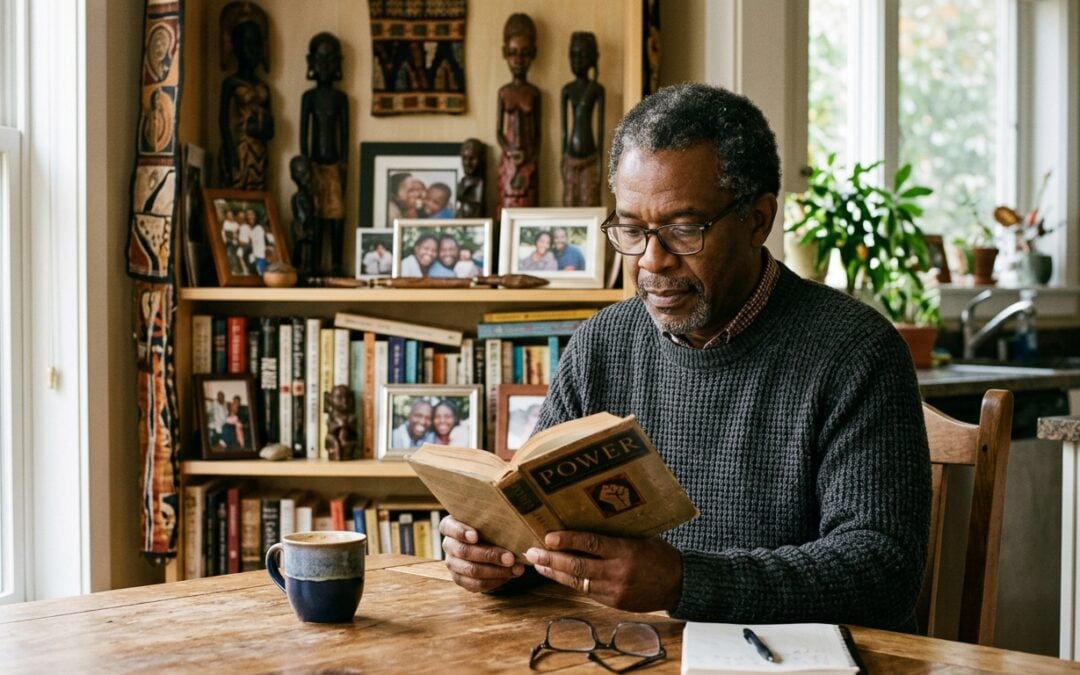
Black man reading powerful history book at kitchen table

They Did Not Lose Our History. They Buried It.

The gaps in what Black children learn about themselves are not accidents of history. They are not the result of records being lost or time erasing memory. The omissions are deliberate. The suppressions are documented.

The history of Black Wall Street was methodically erased from textbooks for decades. The role of Black soldiers in every American war was downplayed, minimized, or outright removed from the official record. The scientific, architectural, and cultural contributions of Black Americans were either misattributed or simply not mentioned.

And now, in 2026, we are watching it happen in real time. DEI programs defunded. School curricula scrubbed. Executive orders targeting “divisive concepts.” The same pattern. A new chapter.

50 Truths is Freddie’s answer to that pattern. It’s a counter-archive. And it’s hitting exactly when our community needs it.

Black history books stacked on wooden table warm lamp light

What Is Actually in This Book

The title is not a metaphor. This is fifty specific, sourced, documented pieces of history — each one deliberately suppressed or minimized in the dominant American narrative.

  • The full scope of Black resistance during slavery — not just the narratives the curriculum deemed safe
  • The economic and intellectual power Black communities built between Reconstruction and the Civil Rights era — and the coordinated efforts to dismantle it
  • The Black inventors, engineers, and scientists who built foundational technologies still in use today — without credit
  • The organizing traditions and political frameworks developed by Black leaders who never made it into a mainstream biography
  • The truth about landmark events our children hear sanitized versions of in school — with the names, dates, and primary sources intact

This is not a survey course. This is a case file. Freddie built it as a tool — something you can open with your kids and say: here is what actually happened, here is how we know, and here is why it matters today.

✊🏾 Join 500,000+ families keeping Black history alive at home.

Get tools, stories, and exclusive offers delivered to your inbox.

[SUBSCRIBE] – Newsletter Tag Posts

Why the Surge Is Happening Now

When official channels suppress something, communities route around them. That’s always been true. It’s why oral tradition survived. It’s why the church held the archive. It’s why grandmothers passed down stories they couldn’t write down.

Right now, we are watching that same impulse play out in a digital age. When the school curriculum says “we don’t teach that here,” parents go looking. When a federal website scrubs Black history from its pages, search traffic to authentic resources spikes. When politicians argue that learning accurate history makes children uncomfortable, our community responds by finding that history and teaching it themselves.

📖 You might also like: Start Here: What Is Urban Intellectuals and Who Is It For?

That’s the energy behind the surge around 50 Truths. It’s not a marketing phenomenon. It’s a cultural one. A community saying: we are not waiting for permission to know who we are.

Black mother and daughter reading Black history together

How to Use This Book With Your Family

Read it aloud in short sessions. One truth per sitting. Let it land. Ask your kids what they think. Let the conversation go where it goes. Some of the most powerful teaching happens in the 10 minutes after you close the book.

Pair it with primary sources. When you encounter a specific event or figure in 50 Truths, go deeper. Search for original documents. Watch documentary footage. This teaches kids to follow evidence trails — a skill that lasts a lifetime.

Pair it with hands-on tools. Our Black history flashcard collections were built on the same philosophy as 50 Truths — that knowledge needs to be interactive, accessible, and in your hands at the kitchen table. The cards cover over 500 Black history figures, events, and concepts across multiple volumes.

Let grandparents lead. Grandparents are living archives. The history of how wealth gets taken hits differently when someone who lived through it is the one reading it aloud. Bring elders into these conversations.

The Stakes Right Now

We are not in a neutral moment. We are in a moment of active erasure, and the counter-movement is happening in living rooms, in church basements, in family group chats, and around kitchen tables.

Books like 50 Truths matter. Not because they are the only tool — but because they are the kind of tool that travels. You can pass it to your neighbor. You can leave it on your kid’s shelf. You can open it on a Sunday afternoon and watch it change what someone believes about their own history.

We’ve been tracking the surge in interest in this book — and what it says about this moment. The numbers tell a real story. Our community is searching for this. They are finding it.

They’re betting you’ll let the moment pass. That you’ll get busy and let the curriculum do whatever it does to your kids’ understanding of their history.

Don’t let them be right about that.

What truths do you make sure your kids know — the ones that didn’t make it into the textbooks? Share in the comments. What we pass on collectively is part of the archive too.

Get The Book

50 Truths They Tried to Erase

By Freddie Taylor — the book your history class never assigned. Get your copy today.

Get Your Copy →

Don’t miss what matters.

Join the Urban Intellectuals family — history, culture, and tools for raising empowered Black children. Straight to your inbox.
[SUBSCRIBE] – Newsletter Tag Posts

✍️ About the Author: Meet Freddie Taylor — the man behind Urban Intellectuals and the vision driving this work.

No One Becomes a Billionaire Without Taking From Someone

No One Becomes a Billionaire Without Taking From Someone

Let’s be serious for a moment.

The idea that you can accumulate a billion dollars — not a million, a billion — through talent, hard work, and good ideas alone is one of the most successful myths in American history. And like most successful myths, it has real consequences for real people.

For our community especially, believing this myth means accepting a story that was designed to explain away the gap between us and them. To make structural theft look like personal failure.

We can’t afford to keep buying it.

What a Billion Dollars Actually Requires

Black community town hall meeting organizing together

Here’s the math that doesn’t make it into the inspirational posts.

There are about 8,760 hours in a year. If you worked every single one of them — no sleep, no breaks, no weekends — and somehow earned $1,000 per hour, after 114 years you’d have roughly $1 billion.

That’s working every hour of every day for 114 years straight at a rate that most people will never earn in their lifetimes.

So how do people accumulate that in, say, 30 years?

You do it by extracting value from other people’s labor. You do it by underpaying workers — often workers of color, often in the Global South — for the true value they create. You do it by inheriting capital that was built on land theft and enslaved labor and turning that head start into compound interest over generations. You do it by capturing political systems that protect your ability to accumulate while limiting others’ ability to catch up.

This is not a theory. It’s the documented history of nearly every American fortune above a certain threshold.

Why This Is a Black History Issue

Black worker representing dignity of labor and community building

Our community didn’t just miss out on wealth — our wealth was actively taken.

The story of Black wealth in America is a story of extraordinary creation followed by systematic destruction. Reconstruction saw Black Americans build land ownership, businesses, and civic institutions with breathtaking speed after emancipation — only to have them burned, looted, or legally stolen.

Black Wall Street in Tulsa was not destroyed by market forces. It was destroyed by a mob with air support from the National Guard.

The 40 acres promised to formerly enslaved people were not withheld because the government ran out of land. They were specifically revoked by Andrew Johnson to restore plantation land to the Confederate families who had used enslaved labor to build it.

The wealth gap between Black and white families in America today is not the result of different work ethics. It’s the result of different histories — and one of those histories includes being legally prevented from accumulating wealth for centuries.

When we teach our children that billionaires “earned” everything they have, we are teaching them a story that requires them to also accept a story about why our community has less. And that story is a lie.

✊🏾 Join 500,000+ families keeping Black history alive at home.

Get tools, stories, and exclusive offers delivered to your inbox.

[SUBSCRIBE] - Newsletter Tag Posts

The Myth Serves a Function

Every great myth serves someone’s interest.

The myth that wealth equals virtue — that the richest people are simply the hardest-working, most innovative, most deserving — does a specific job. It makes the status quo feel natural. It makes inequality look like merit. It puts the burden of poverty on the poor and the credit for wealth on the wealthy, when the actual explanation requires looking at history, structure, policy, and power.

This myth is especially powerful in America because it pairs with another myth: that anyone can make it if they just work hard enough. The combination is lethal. It says that the wealthy deserve their wealth AND that if you don’t have wealth, you didn’t work hard enough or want it badly enough.

Our ancestors worked as hard as any human beings who ever lived. They were not compensated for it.

That’s not a chip on our shoulder. That’s a documented fact with a paper trail.

What We Teach Our Children Instead

Black family studying household finances together at kitchen table

We don’t teach our kids to be bitter. But we do teach them to be clear.

We teach them that wealth is built on systems — and systems can be built or dismantled by human beings. We teach them that our community has always been capable of extraordinary creation, and that what held us back was not ability but policy, violence, and deliberate exclusion.

We teach them to look at who benefits from any given story about how the world works. To ask: who does this explanation serve? What does it make invisible? What does it require me to believe about my own people?

And we give them the tools to find the answers. Our Black history flashcard collections cover the wealth history our children aren’t getting in school — from Reconstruction to Black Wall Street to the ongoing fight for reparations. Because they can’t build a future on a foundation they don’t understand.

If you want to go deeper, read about what Black women built that America forgot to mention — the economic contributions that were extracted and never credited.

Serious, Not Cynical

I want to be clear about something.

Understanding the real history of wealth in America is not the same as giving up. It’s not the same as hating rich people or refusing to build anything. It’s the same as doing what our best thinkers and fighters have always done: seeing the situation clearly and then deciding what to do about it.

Our community has built extraordinary things under extraordinary pressure. And when we understand why those things were stolen, suppressed, or undermined — when we name the actual mechanism instead of accepting the myth — we are better positioned to protect what we build next.

The wealth gap is not a mystery. The answer has a history. And our children deserve to know it.

What conversations are you having with your family about wealth, work, and history? How do you teach your kids to understand economic inequality without losing hope? I’m genuinely asking — hit the comments, because we learn from each other.

Don’t miss what matters.

Join the Urban Intellectuals family — history, culture, and tools for raising empowered Black children. Straight to your inbox.
[SUBSCRIBE] - Newsletter Tag Posts
Why People Are Waking Up to Freddie Taylor’s 50 Truths They Tried to Erase

Why People Are Waking Up to Freddie Taylor’s 50 Truths They Tried to Erase

Something is happening.

Traffic to Freddie Taylor’s 50 Truths They Tried to Erase: Black Power, Culture & Resistance Uncovered has been climbing — quietly, steadily, and then all at once. People are searching for it. Sharing it. Buying it. Reading it out loud to their kids at the kitchen table.

And I think I know why.

This Is What a Reckoning Looks Like

Black history books on desk representing knowledge and reading

We are living through a moment when the official version of American history is being aggressively dismantled. DEI programs defunded. School curricula scrubbed. Monuments to the Confederacy restored. The message from certain halls of power is clear: the truth about Black history is unwelcome.

And the response from our community? We’re buying the books. Searching for the resources. Refusing to let our children grow up on a sanitized version of who we are.

50 Truths is part of that refusal.

What the Book Actually Does

Freddie Taylor didn’t write a gentle survey of Black history. 50 Truths is confrontational by design. It surfaces the stories that were deliberately buried — not lost, not forgotten, buried — because the people in power knew that if Black Americans understood our full history, we would move through the world differently.

That’s not conspiracy thinking. That’s documented. The suppression of the history of Black Wall Street. The erasure of Black military service from the official record. The deliberate omission of Black inventors, engineers, scientists, and organizers from the textbooks that shaped generations of American children — Black and white.

50 Truths names names. It gives dates. It shows its work.

And right now, when our children are being told that their history is divisive — that learning about it makes other people uncomfortable — this kind of book isn’t just relevant. It’s necessary.

Why Right Now

Black father sharing history and heritage with his children

The timing of this surge isn’t random.

When official channels try to suppress something, communities find it through other channels. When the curriculum says “we don’t teach that here,” parents go looking for what they’re not being taught. When the government pulls down the DEI website, search traffic to Black history resources spikes.

That’s what’s happening. People are not passive. They are not waiting for permission.

The same energy that’s driving people to Freddie’s book is driving the growth of our entire platform. People are searching for tools that do what the school curriculum won’t. They want the full story. They want resources that respect their intelligence and honor their heritage.

That’s why we built the Black history flashcard collections — the same impulse as 50 Truths, translated into something you can use at home with your kids in 10 minutes a night.

✊🏾 Join 500,000+ families keeping Black history alive at home.

Get tools, stories, and exclusive offers delivered to your inbox.

[SUBSCRIBE] – Newsletter Tag Posts

What Your Children Learn When You Show Them This Stuff

Here’s what changes when kids grow up with the real history.

They stop thinking of Black history as something that happened to us. They start understanding it as something we built — in the face of everything — with genius and grit and community and strategy.

They stop accepting the “exceptional Negro” framing — the idea that a few extraordinary individuals broke through despite the odds. They start seeing the collective power that has always existed in our community, and the deliberate, documented effort to suppress it.

They develop what I can only call historical immunity. When someone tries to tell them a distorted version of who we are, they know better. Not because someone told them to be suspicious — but because they already have the receipts.

That’s what 50 Truths gives families. That’s what tools like our flashcard decks give families. The receipts.

For the Grandparents Especially

Black grandfather and granddaughter sharing history together

I want to speak directly to the grandparents for a moment.

You lived through things that aren’t in any textbook. You have memories and family stories that are primary sources. You are the living archive.

When you sit down with your grandchildren and open a book like 50 Truths, or pull out flashcards about Black history, you’re not just reviewing facts. You’re saying: this is who we are, and I’m here to make sure you never forget it. That’s the most powerful teaching that exists. No classroom can replicate it.

The Surge Is a Signal

When a book about suppressed Black history starts trending — when people are finding it, sharing it, and putting it in the hands of their children — that’s not a marketing story. That’s a cultural one.

It means our community is paying attention. It means parents and grandparents are not waiting for the school system to do the right thing. It means we are doing what we have always done: finding the truth and passing it on.

That’s the tradition. That’s the resistance. And it never stopped.

What’s your family reading right now? What Black history resources are you reaching for in this moment? Share in the comments — because these recommendations matter. What you pass on to your kids is part of the archive too.

Click here to grab the book.

Don’t miss what matters.

Join the Urban Intellectuals family — history, culture, and tools for raising empowered Black children. Straight to your inbox.

📖 You might also like: Start Here: What Is Urban Intellectuals and Who Is It For?

[SUBSCRIBE] – Newsletter Tag Posts

Also see: 50 Truths They Tried to Erase: Why This Book Is Hitting Different Right Now

0