

There’s a conversation Black parents have been having for generations.
“The Talk.”
Most people think of it as one conversation — the serious one about police, about how to behave if you’re ever stopped. And yes, that conversation is real and necessary.
But there’s a bigger Talk happening. One that starts much earlier, in smaller moments, and never really ends.
How do you tell your child the truth about the world they live in — without loading them down with fear? How do you prepare them for racism without teaching them to see themselves as its victims?
This is the balance Black parents have been walking for 400 years. Here’s how to walk it well.
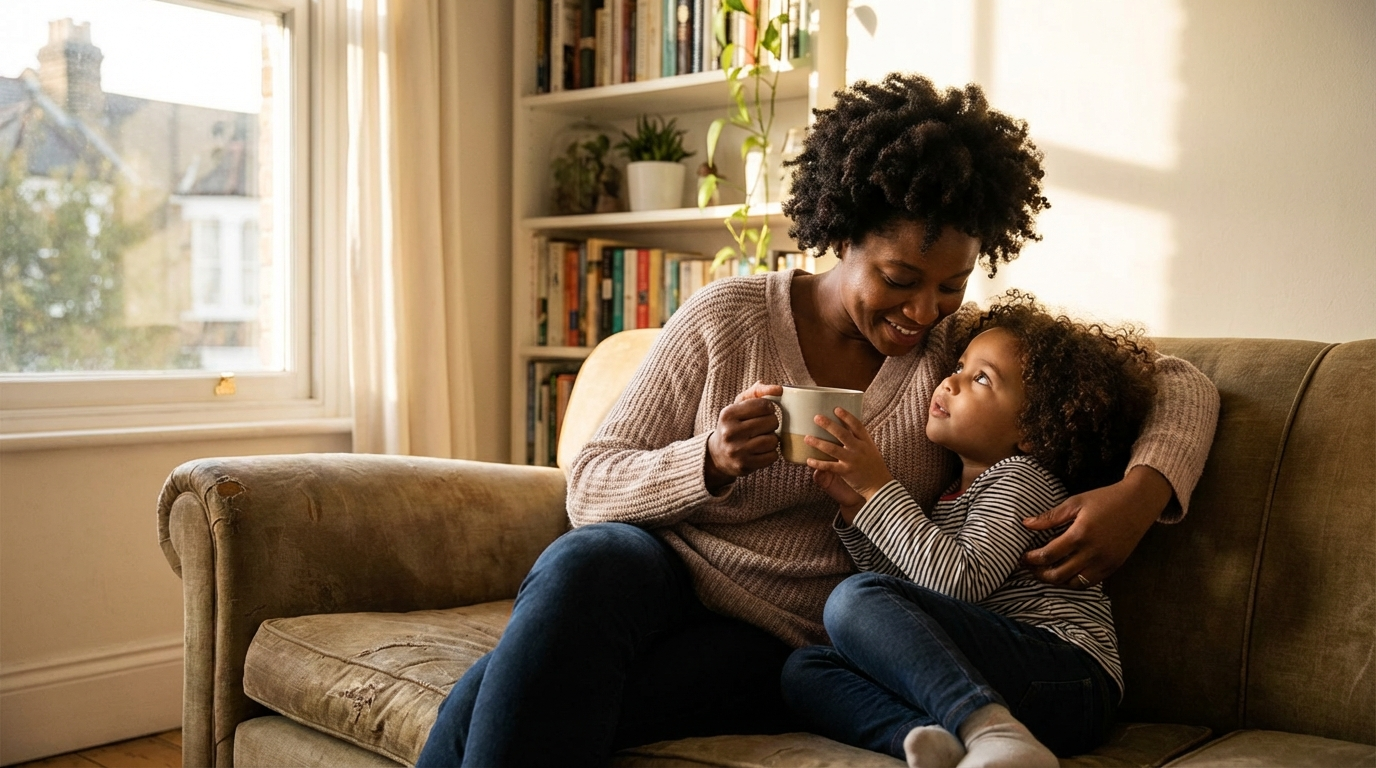
Why This Conversation Can’t Wait
Research is clear: children notice race much earlier than most parents expect.
By age 3, children are already aware of racial differences. By age 5, they’ve often internalized messages about which groups are “better” or “smarter” — messages coming from media, toys, books, and the world around them.
If you don’t name what they’re seeing, they fill the silence themselves. And the silence says: this isn’t something we talk about. Which teaches them that their racial identity is something to be ashamed of, or afraid of, or managed quietly.
That’s the opposite of what we want.
Naming it — at age-appropriate levels, calmly, honestly — is one of the most protective things you can do.
Ages 3–6: Lay the Foundation
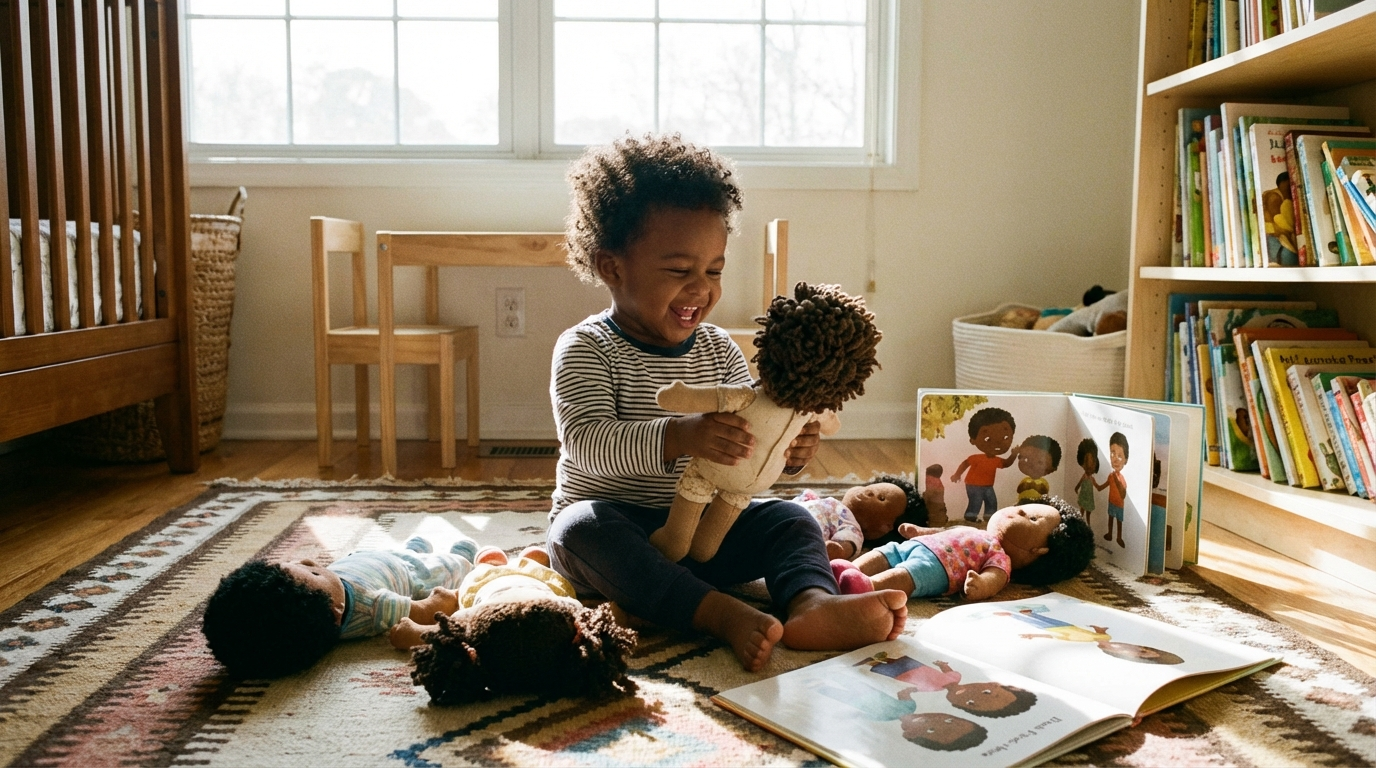
At this age, the goal isn’t to explain racism. It’s to give your child a strong, positive racial identity before the world has a chance to hand them a negative one.
What to do:
- Use correct language. Call things what they are. “She has brown skin like us.” “He has lighter skin.” Name it neutrally, early, and often.
- Fill their world with Black images. Books, toys, art on the wall, shows — representation at this age shapes what a child believes is normal and beautiful.
- Start with pride. Before you explain what people have tried to do to Black people, establish who Black people are. Warriors. Builders. Scientists. Storytellers. Artists. Royalty.
What to say when they ask “Why do people look different?”
“People come in all different shades, and every shade is beautiful. Our family has [describe your family’s skin tones]. Isn’t that something?”
Simple. Affirming. No fear loaded in.
Ages 7–10: Introduce the Reality, Not the Fear
At this age, children are starting to encounter the world more — school, friends, media. They may come home with questions. They may experience something confusing or hurtful.
What to do:
- Don’t wait for an incident to start the conversation. Have it proactively.
- Be honest that racism is real — and that it’s wrong, not normal. This distinction matters. You’re not teaching them that the world is dangerous. You’re teaching them that some people do unfair things, and that’s their failure, not yours.
- Introduce history as context, not horror. When you explain that Black people were enslaved, that we fought for rights, that we are still fighting — frame it as proof of strength, not just a catalog of suffering.
What to say:
“Sometimes people treat other people unfairly because of their skin color. That’s called racism. It’s wrong, and it’s not your fault if it ever happens to you. It says nothing true about who you are.”
And follow it with:
“Let me tell you about some of the people who fought back and changed things. Because that’s your history too.”
✊🏾 Join 500,000+ families keeping Black history alive at home.
Get tools, stories, and exclusive offers delivered to your inbox.
Ages 11–14: Get Into the Hard Conversations
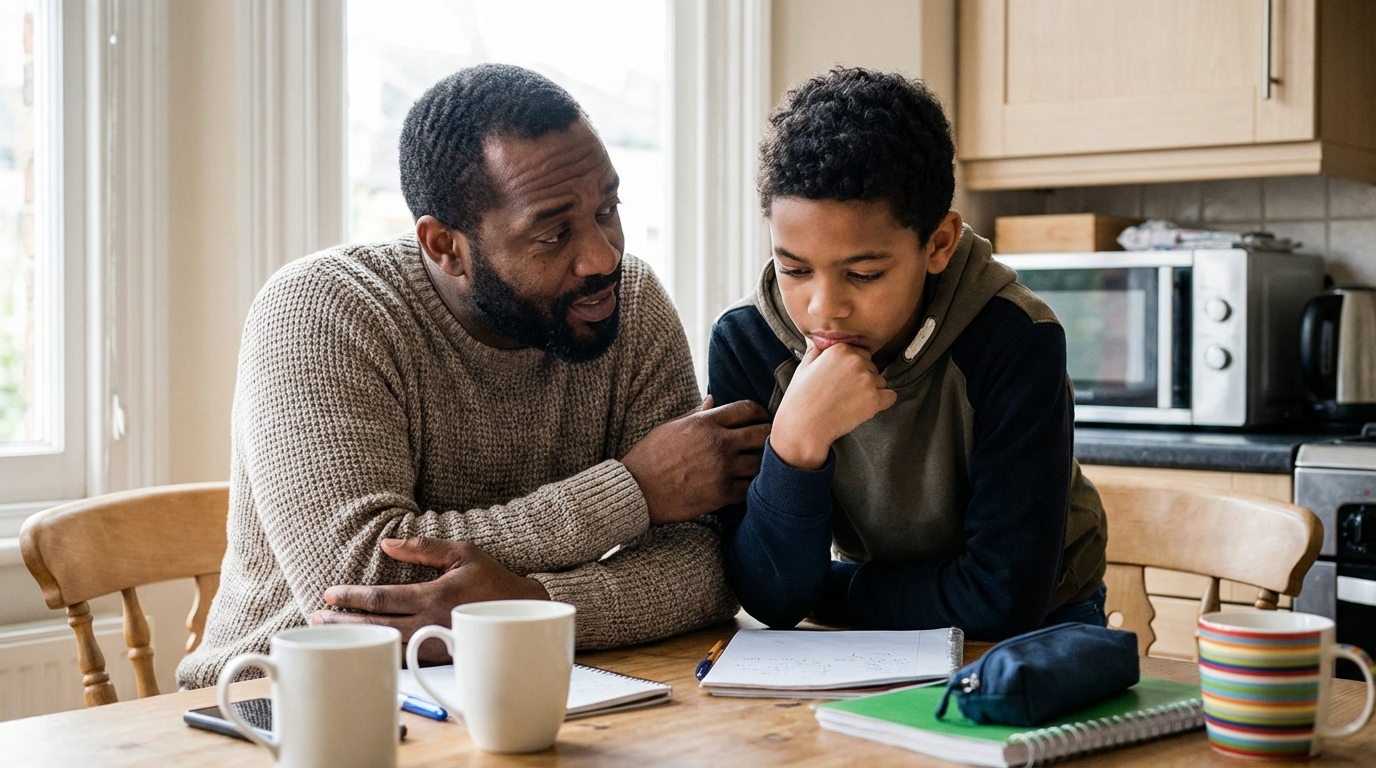
Middle school is where things get real. Your child is developing their identity, encountering more complex social dynamics, and probably already seeing things on social media you don’t know about.
This is the age for the deeper version of the Talk.
What to do:
- Talk about what racism looks like beyond individual acts — systemic, institutional, structural. Help them see the patterns, not just the incidents.
- Give them language. “Microaggression.” “Code-switching.” “Double standard.” Naming something gives you power over it.
- Teach them to trust their gut. If something feels wrong, it probably is. They don’t need to prove it to a committee to know what they experienced.
- Talk about The Talk specifically — what to do if they’re ever stopped by police, how to protect themselves while staying alive. This conversation is not optional.
Be real with them:
“The world is not fair to Black people in ways that are not your fault. I’m telling you this not to scare you, but because you deserve to understand what you’re navigating — and because knowing it makes you more powerful, not less.”
Ages 15–18: Raise a Critical Thinker
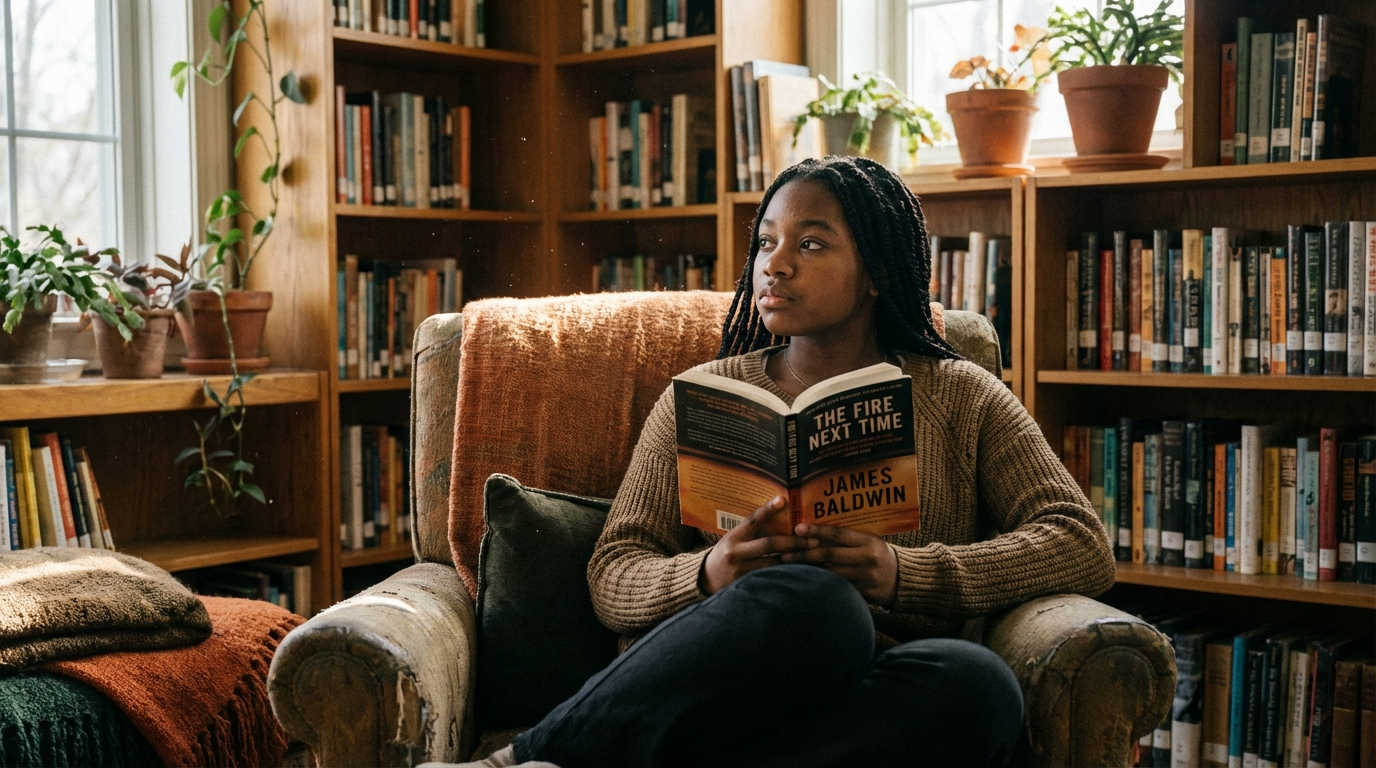
By high school, your child is encountering history class, social media, peer debates, and their own experiences all at once. Your job shifts from explainer to thinking partner.
What to do:
- Ask more than you tell. “What do you think about what happened?” “How does that make you feel?” “What do you know about the history behind that?”
- Introduce them to Black thinkers, writers, and activists — not as assigned reading, but as people who grappled with the same questions they’re grappling with now. James Baldwin. bell hooks. Ida B. Wells. Nikole Hannah-Jones.
- Talk about anger — how to hold it, how to use it, how not to let it use them.
- Let them know they have a community. This isn’t just their fight. It’s ours.
The Conversation That Never Ends
Here’s the truth: this isn’t a Talk. It’s a posture.
It’s the way you frame news stories at dinner. The books on the shelf. The names you drop in conversation. The questions you ask when they come home from school. The calm, grounded certainty you project that says: you know who you are, and that’s not up for debate.
The parents who do this best don’t have one big conversation. They have a thousand small ones. As they get older, those conversations go deeper — including teaching them to spot covert racism. Read: Teaching Your Kids to See the Mask Before It Slips.
The Black History Flashcards are one of the simplest tools for making those small conversations happen. One card at breakfast. A name on the way to school. “Do you know who this is?” — and suddenly you’re in it.
Over 500,000 families have made it part of their routine. Because the Talk isn’t a one-time event. It’s a practice.
You’re Not Doing This Alone
Black parents have been preparing their children for this world for centuries. The methods have changed. The love behind them hasn’t.
You’re part of a long line of people who chose to tell the truth, equip their children with history, and trust them to carry it.
That lineage is worth something. Pass it on.
Urban Intellectuals was founded to put that history in Black homes — in hands that will actually use it. Browse the full collection →
What age did you start having “the Talk” with your children? What worked? What didn’t? Share your experience below.
Related reading: What Really Happened to Zelalem Eshetu Ewnetu: The Black Engineer Killed by LA Sheriffs — a reminder of exactly why these conversations can’t wait.
Don’t miss what matters.
Join the Urban Intellectuals family — history, culture, and tools for raising empowered Black children. Straight to your inbox.
Related: Druski Isn’t Robinson: What the Difference Tells Us About How We Raise Our Kids


 Flashcards
 Games
Games Apparel & Homeware
 Travel
 Schools
 Memberships
 Sankofa Club (Children)
 About Us