
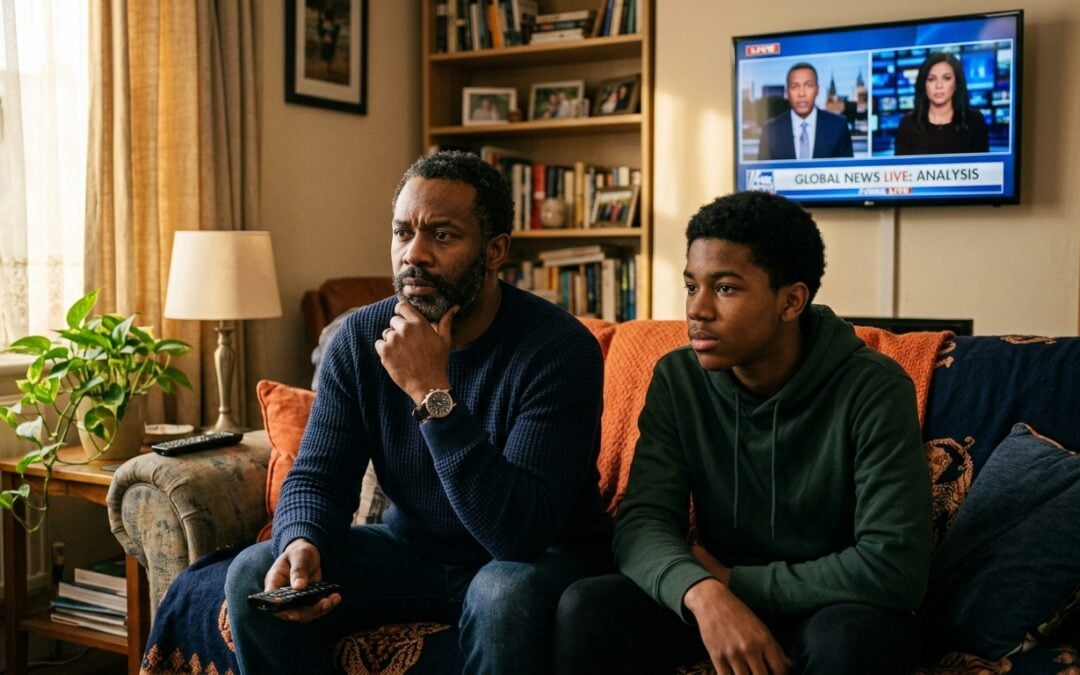
Black Twitter has been making a distinction that a lot of people in our community already understand instinctively: not every Black celebrity who stays quiet is MAGA. And not every Black face that shows up at the right rally represents our community.
The conversation swirling around Druski — and the pointed contrast being drawn with figures like Mark Robinson — is one of those moments that reveals something important about how we navigate celebrity, politics, and Blackness in 2026.
This isn’t just Twitter discourse. It’s a parenting conversation. It’s a “what do I tell my kids” conversation. And we need to have it with our full chest.
What the Conversation Is Really About
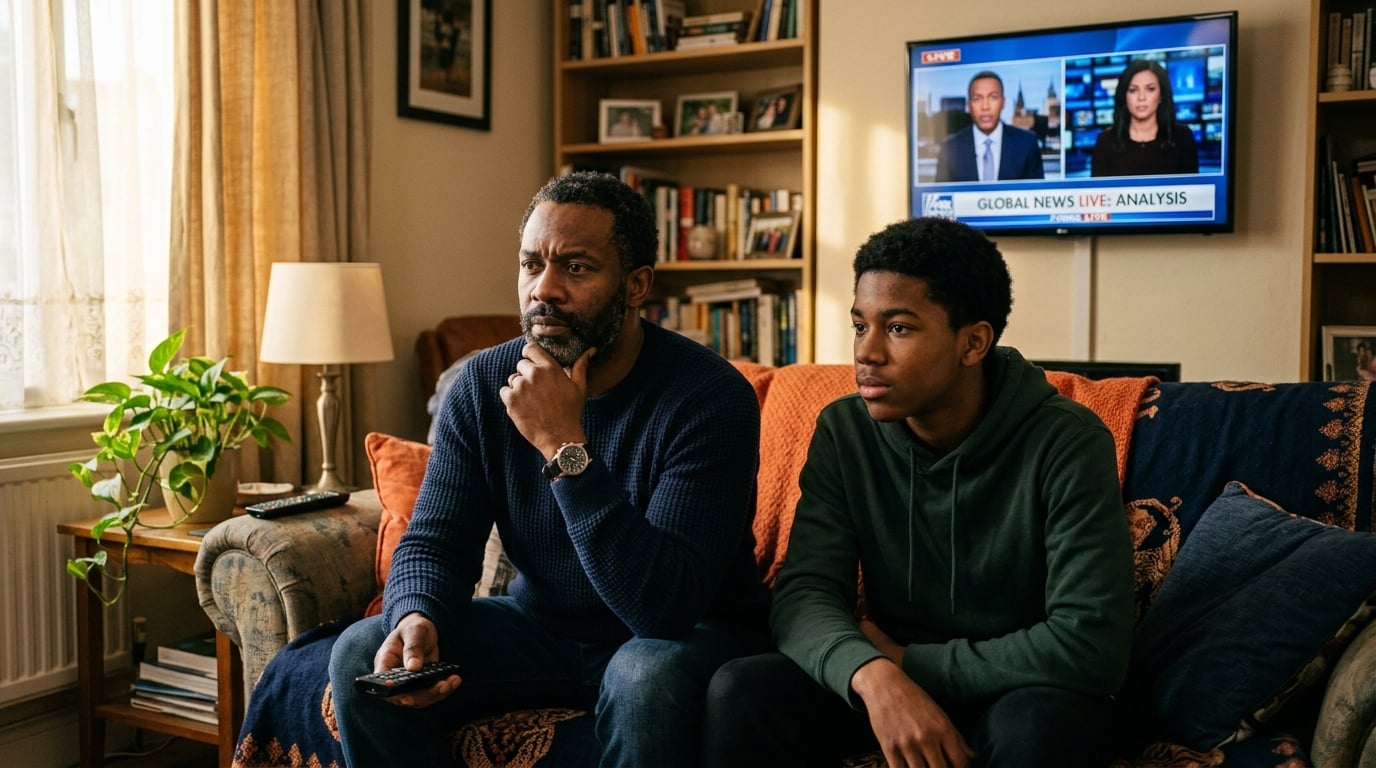
When Black folks online say “Druski is not part of her MAGA clan like that Robinson,” they’re drawing a line. Not an endorsement of Druski. Not a takedown of someone for being imperfect. They’re naming a difference between someone who hasn’t publicly aligned themselves with an anti-Black political movement and someone who actively did.
Mark Robinson — the former North Carolina Lieutenant Governor candidate — became a symbol of the specific kind of Black political alignment that the community reserves its deepest critique for. Not just “he disagrees with us politically.” But: he aligned himself with a movement that has historically targeted Black people, Black voters, and Black institutions. With their full chest.
The distinction matters. And our kids need to understand why.
Teaching Our Kids to See the Difference
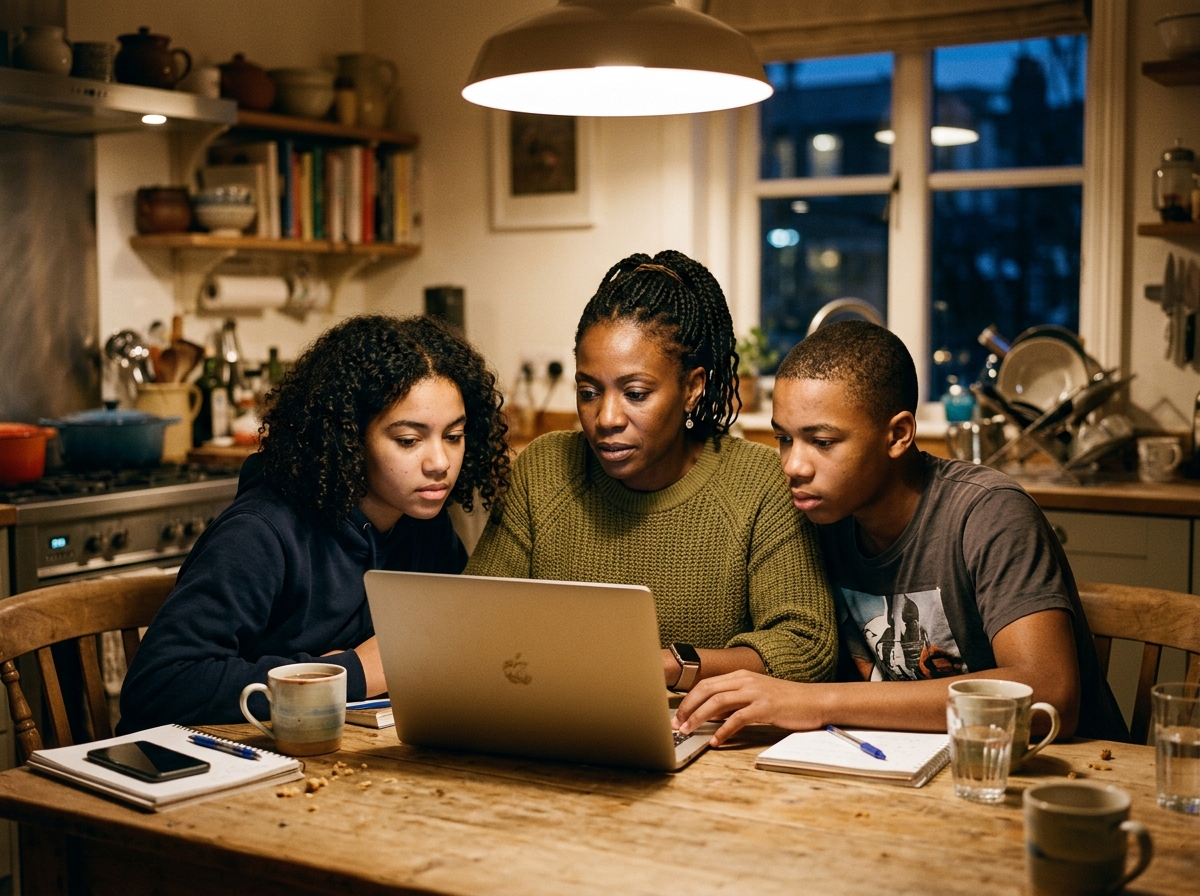
Here’s what I tell my kids when these conversations come up: not every Black person is your ally. Not every Black face represents Black interests. History has given us this lesson over and over again — and it’s not cynicism, it’s literacy.
We’ve had Black sheriffs who enforced plantation law. Black overseers. Black political figures who aligned with systems designed to harm Black communities in exchange for proximity to power. This pattern didn’t end in the 1800s. It has a very modern face.
The flip side is also true: someone being entertaining, likable, or non-political doesn’t make them an enemy either. Silence isn’t the same as betrayal. This is a nuance worth teaching.
When your child asks “why does it matter who he votes for?” — that’s your opening. That’s the conversation.
✊🏾 Join 500,000+ families keeping Black history alive at home.
Get tools, stories, and exclusive offers delivered to your inbox.
The History Behind the Pattern
This isn’t new. What makes it feel new is social media — the speed at which these moments go viral, the clarity with which communities can now signal their readings of Black public figures in real time.
But the underlying dynamic goes back centuries. Frederick Douglass wrote about it. Ida B. Wells navigated it. The civil rights movement had its own versions of it — figures who appeared on the right side of the cameras but worked against the movement behind the scenes.
Knowing this history doesn’t make you paranoid. It makes you prepared. It gives you a framework for reading the present that isn’t just reaction — it’s recognition.
That’s what we’re trying to give our children. Not bitterness. Not cynicism. Recognition.
Why Celebrity Alignment Gets Under Our Skin
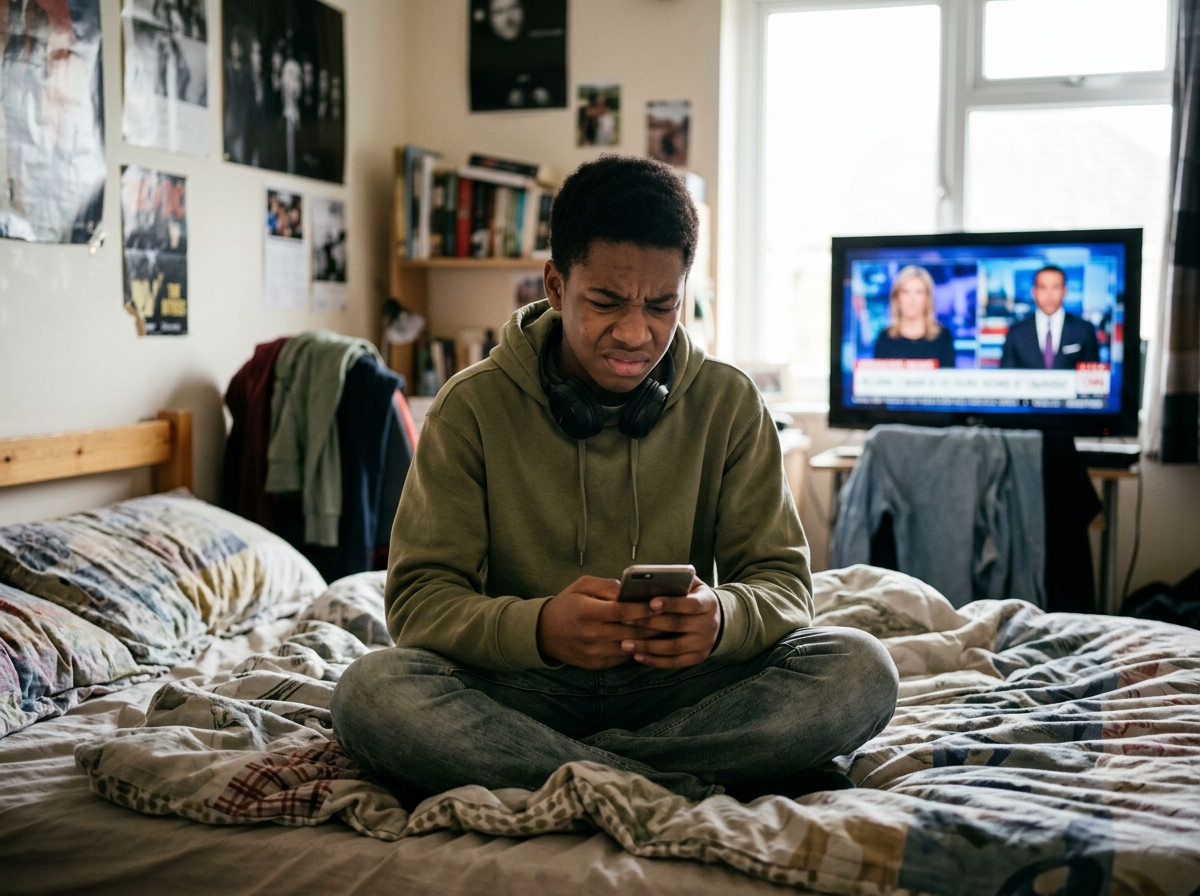
There’s a reason it hits different when a Black celebrity publicly aligns with movements that harm Black communities. It’s not that we own Black people’s political beliefs. It’s not that we require ideological uniformity.
It’s that representation carries weight. Whether celebrities want it or not, children see them. Young people build identities partly by watching who the people they admire choose to be in the world.
When someone with platform and reach uses it to validate narratives that have historically been used to suppress Black votes, dismantle Black institutions, or erase Black history — that’s not just a personal political choice. That has a downstream impact.
Our kids are watching. They’re forming their sense of what’s possible, what’s acceptable, and who they can trust. That’s why we talk about it at the kitchen table.
What to Actually Say to Your Kids
If this conversation came up in your house — around the news, around social media, around something your kid saw — here’s what’s worth saying:
First: Black people are not a monolith. We have always had internal disagreements, different political beliefs, different strategies for survival. That’s human. That’s community.
Second: Alignment with power is a choice that carries consequences. When someone publicly aligns with a movement — any movement — they are lending their name and their audience to it. That matters.
Third: The best defense against being misled is knowing your history. When you know what happened to Black communities under different political regimes — when you can name the laws, the figures, the outcomes — you have a framework that doesn’t bend just because someone famous endorses something.
That third one is everything. That’s why we build what we build here.
History as Protection
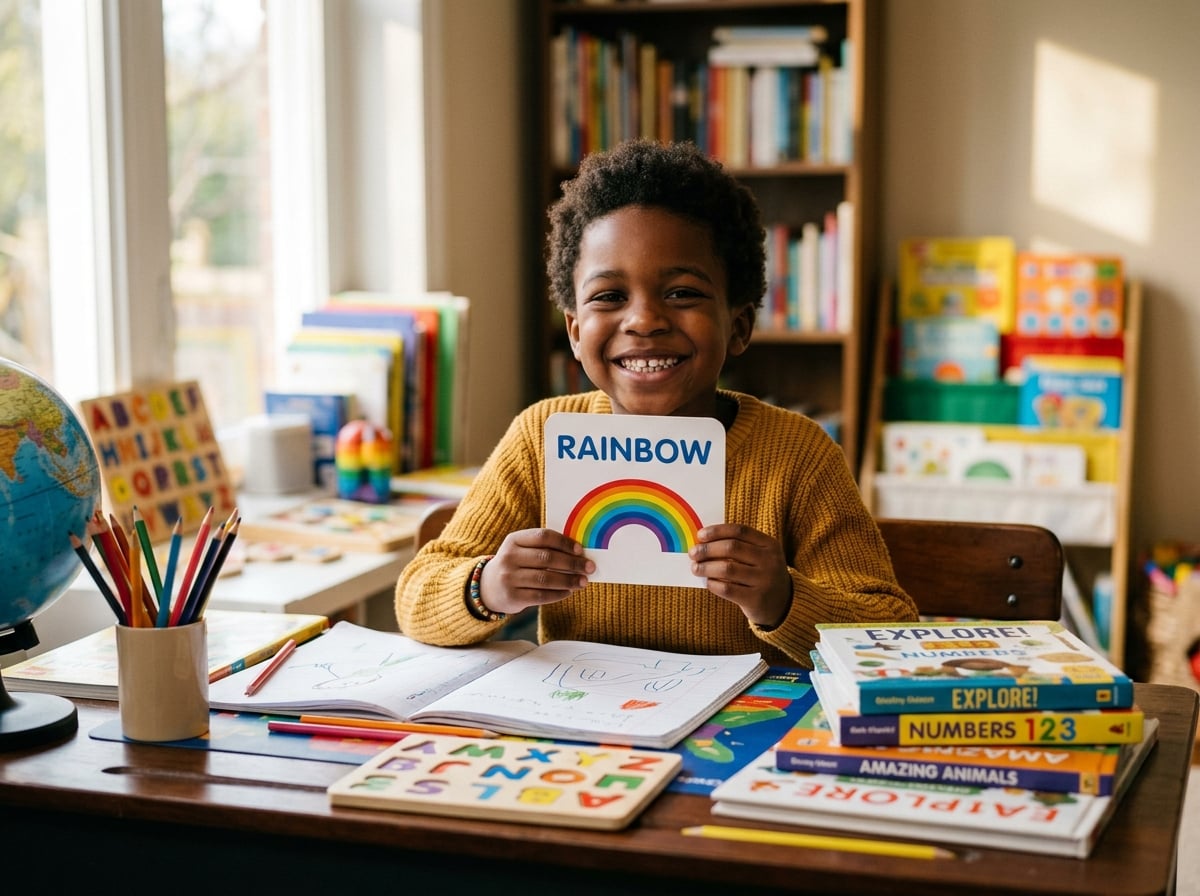
We’ve said this before and we’ll keep saying it: a child who knows their history is harder to fool.
When your kid knows who Fannie Lou Hamer was — what she fought for, what she survived, what she built — they have context. When they know about the Civil Rights Act, the Voting Rights Act, the ways those protections have been systematically challenged, they can look at current events and see the pattern.
That’s not a radical idea. That’s just education. The Black History Flashcard series we built exists precisely for this reason. Not as a quiz game. As a foundation. 52 cards per volume — each one a story, a name, a context that builds the framework your child needs to navigate the world they’re growing up in.
The conversation around Druski and Robinson is happening in your family whether you initiate it or not. The question is whether your kids have the historical tools to understand what they’re seeing.
What conversations has this moment sparked in your household? I want to hear from you.
Love, peace, and power to the people.
— Freddie
Keep Reading
Don’t miss what matters.
Join the Urban Intellectuals family — history, culture, and tools for raising empowered Black children. Straight to your inbox.
Related: I love a good Uno Reverse — When the tables turn and the community responds with wit and wisdom.


 Flashcards
 Games
Games Apparel & Homeware
 Travel
 Schools
 Memberships
 Sankofa Club (Children)
 About Us