
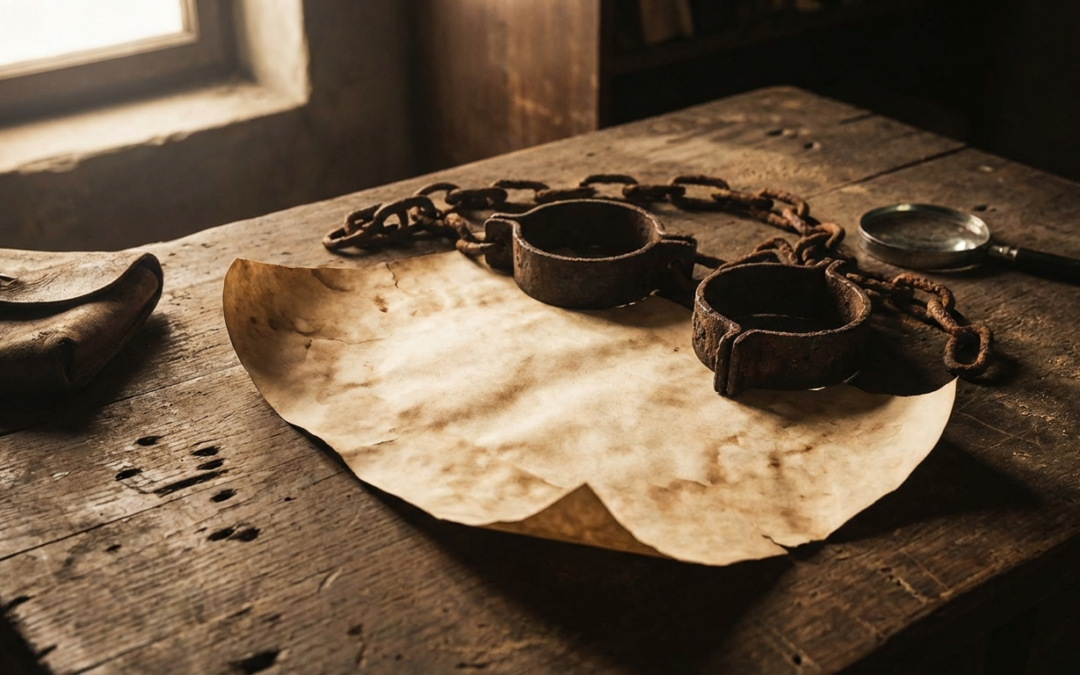
They signed the Emancipation Proclamation in 1863. They ratified the 13th Amendment in 1865. And then they put Black people right back where they were. (What Black Women Built)
They called them “Black Codes.”
Not slavery. Not technically. But if you couldn’t leave your employer’s land without a pass… if you could be arrested for not having a job… if your children could be “apprenticed” to your former enslaver against your will…
What exactly would you call it?
These laws swept through Mississippi, South Carolina, Louisiana, Alabama — every state that had just “lost” the war. They moved fast. Mississippi passed theirs in November 1865. The war had barely ended.
What the Black Codes Actually Said
Let’s be specific, because the details matter.
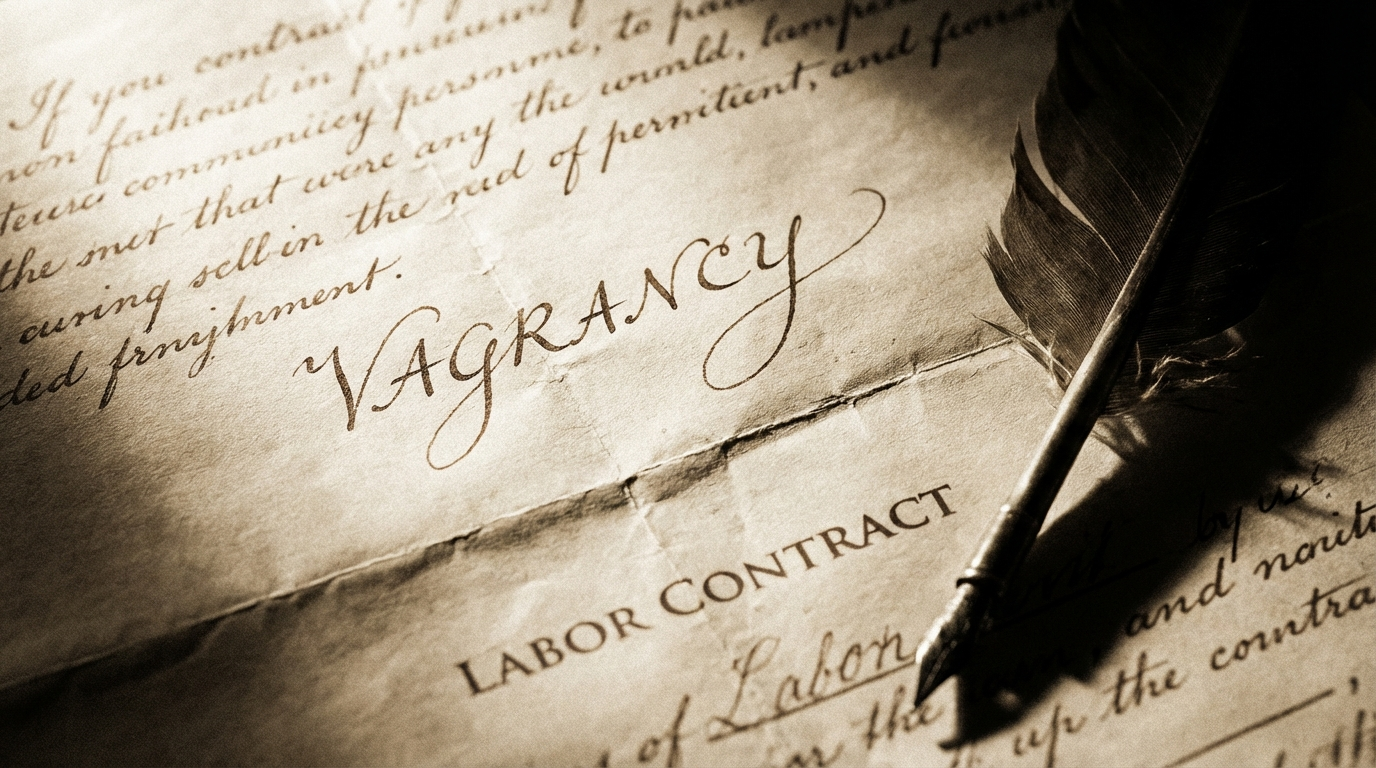
Vagrancy laws: If you were Black and couldn’t prove you had employment, you were arrested. The penalty? Forced labor. They’d literally lease you out to a plantation. Sound familiar?
Apprenticeship laws: Black children — especially orphans — could be taken from their families and forced to work for white “masters” until they turned 21. Former enslavers got first dibs. That’s not a metaphor. It was written into the law.
Labor contracts: Black workers had to sign year-long contracts by January 1st or face arrest. Leave before the contract ended? Forfeit your entire year’s wages. Every penny.
Restricted movement: In some states, Black people needed written permission to travel. In others, they couldn’t own property in certain areas. They couldn’t testify against white people in court.
They stripped the word “slavery” out and kept every single mechanism.
The Blueprint That Never Went Away
Here’s what makes Black Codes more than a history lesson — they were a blueprint.
Convict leasing. Jim Crow. Redlining. Mass incarceration. Every system that came after borrowed from this playbook: make the law sound neutral, then enforce it selectively against Black people.
The 13th Amendment itself has a loophole big enough to drive a prison bus through: “except as a punishment for crime.” The Black Codes turned that exception into an industry.
Vagrancy laws became “loitering” charges. Apprenticeship laws became the foster care pipeline. Labor contracts became sharecropping. The names changed. The function didn’t.
✊🏾 Join 500,000+ families keeping Black history alive at home.
Get tools, stories, and exclusive offers delivered to your inbox.
Why They Don’t Teach This in Schools
Ask yourself: Why is “Black Codes” a trending search right now?
Because people are Googling what their schools never taught them. Because when you skip the chapter between slavery and Jim Crow, everything that came after looks like it happened in a vacuum. Like racism just… appeared from nowhere.
Black Codes are the missing chapter. They explain how a country that “freed” 4 million people immediately built a legal system to trap them again. They explain why Reconstruction failed. They explain why the 14th and 15th Amendments had to exist at all.
And they explain why, 160 years later, we’re still fighting some of the same fights.
What Your Kids Need to Know
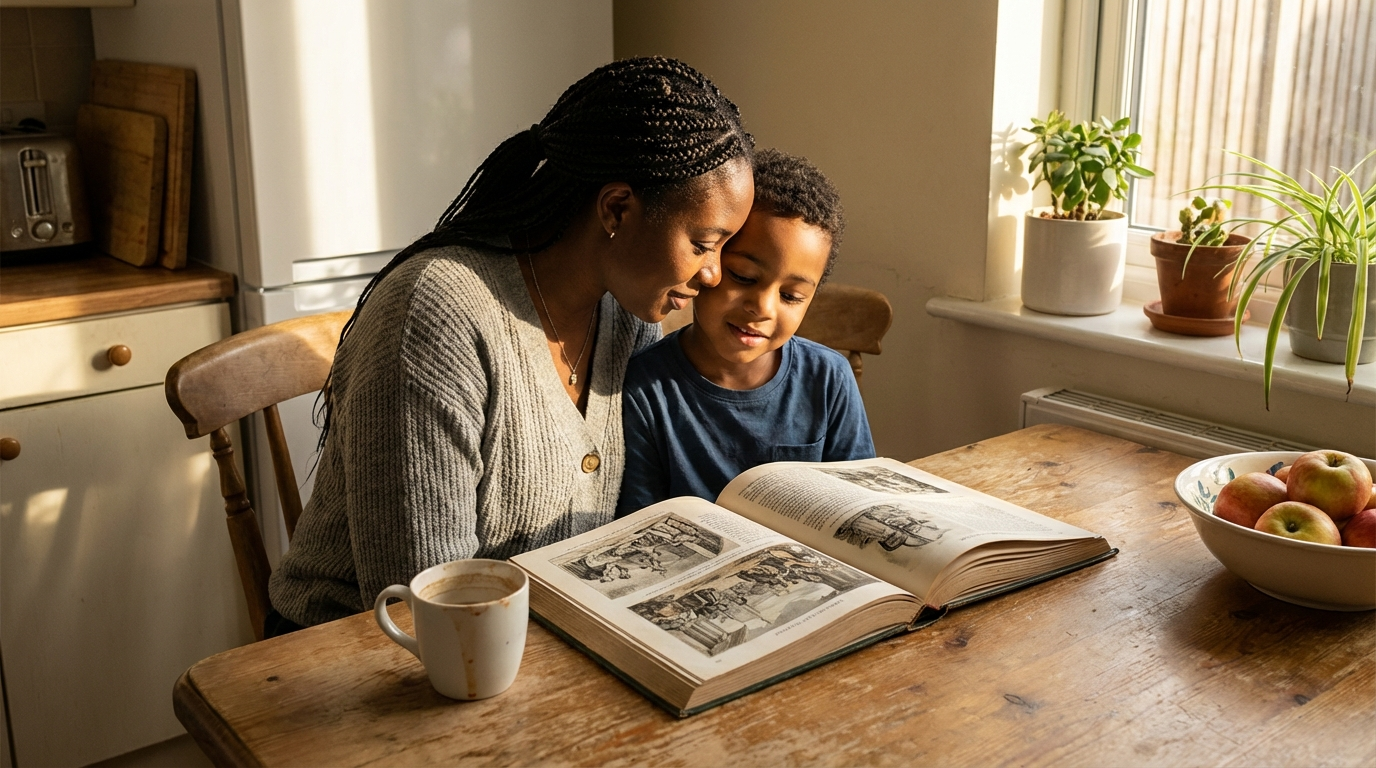
This isn’t about making children feel helpless. It’s about making them informed.
When your child understands Black Codes, they understand that freedom has always been something our people had to fight to keep — not just win once. They understand that laws can be weapons. They understand that the system wasn’t broken; it was built this way.
That’s not despair. That’s power.
Because when you can name the thing, you can fight the thing.
That’s exactly why we created Black History Flashcards — to put the full, uncut story in your family’s hands. Not the sanitized version. The real one. The one that includes Black Codes and the people who fought to tear them down.
The People Who Fought Back
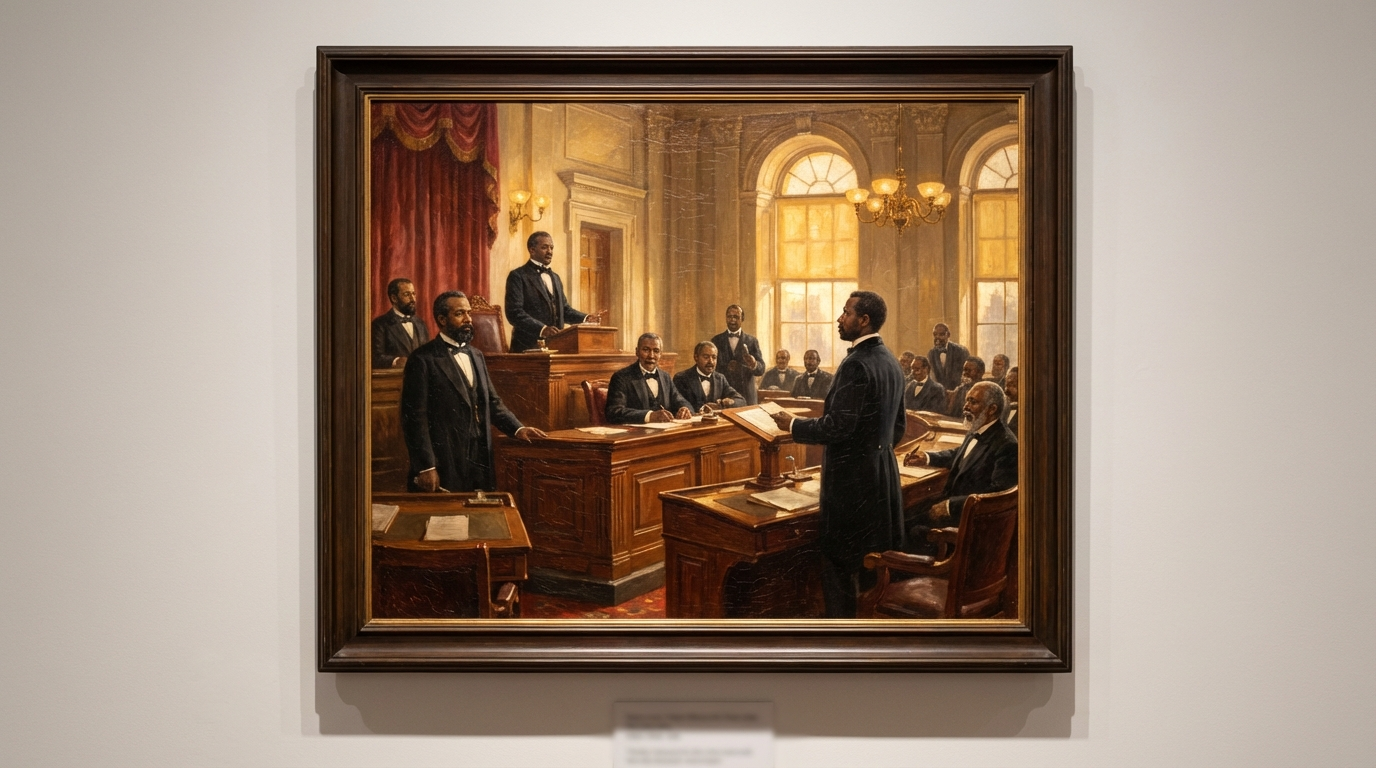
Don’t let anyone tell you Black people just accepted this.
Freedmen’s Bureau agents documented the abuses and pushed back against Black Code enforcement. Black churches organized, educated, and mobilized communities. Black legislators — elected during Reconstruction — fought to repeal these laws and replace them with actual protections.
People like Robert Smalls, who went from enslaved ship pilot to United States Congressman. Or Tunis Campbell, who built self-governing Black communities in Georgia before white supremacists had him imprisoned for it.
They fought. They always fought. And your kids should know their names.
So What Do We Do With This?
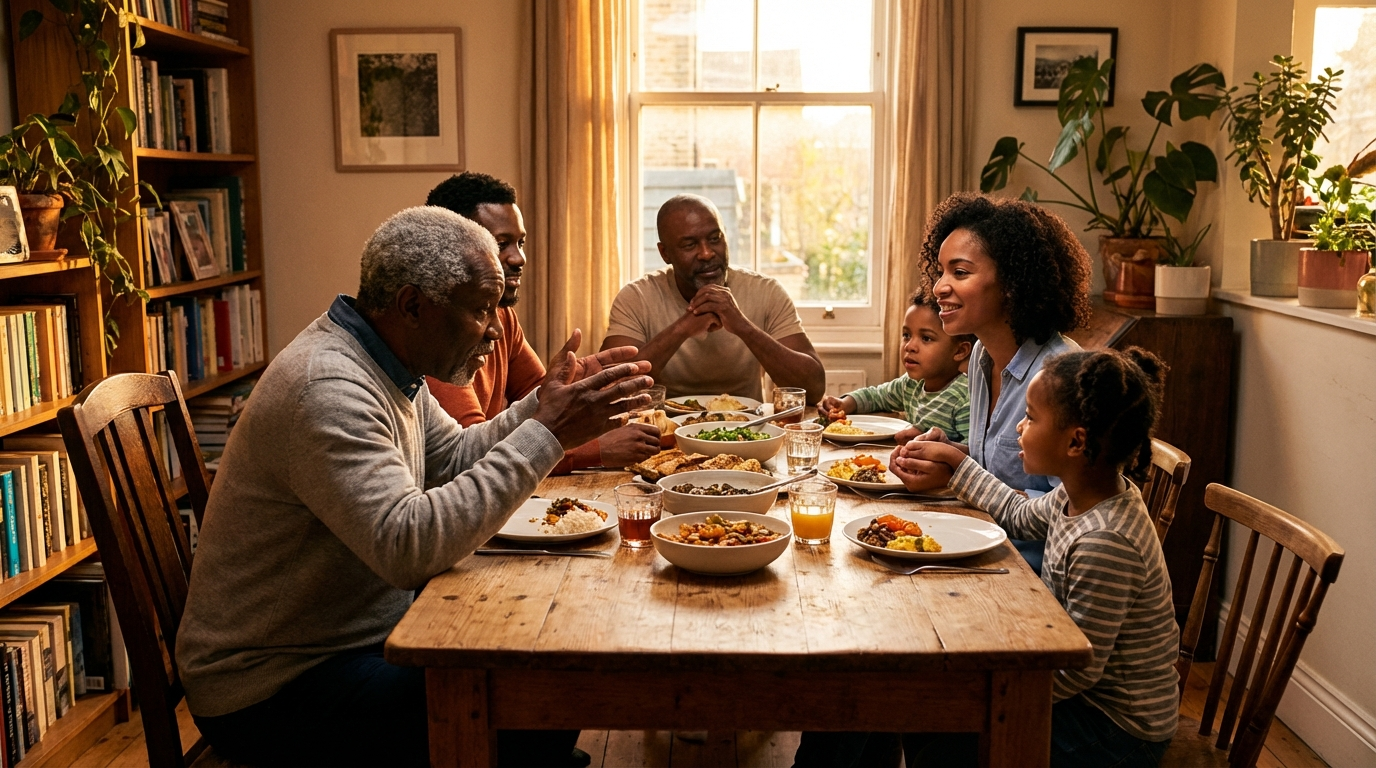
Talk about it. Tonight. This weekend. On the car ride to school. (Not sure where to start? Here’s how to talk to your Black child about racism.)
Ask your kids: “Did you know that after slavery ended, they made new laws to keep Black people trapped?” Watch their faces. Answer their questions. Don’t soften it. (And while you’re at it, here are 7 things every Black parent should tell their child.)
Then ask them: “What do you think people did about it?”
Because that’s the part that matters most. Not just what was done to us — but what we did about it. Every single time. Like the day Ruby Bridges walked into history — and what we still haven’t learned from it.
What part of this history hit you the hardest? Drop a comment or hit reply — I want to hear from you.
Love, peace, and power to the people. ✊🏾
Don’t miss what matters.
Join the Urban Intellectuals family — history, culture, and tools for raising empowered Black children. Straight to your inbox.


 Flashcards
 Games
Games Apparel & Homeware
 Travel
 Schools
 Memberships
 Sankofa Club (Children)
 About Us