

🎙️ LISTEN TO THIS ARTICLE
Prefer to listen? We turned this article into a podcast conversation.
There’s a conversation happening in homes across this country right now.
Not in classrooms. Not in school board meetings. In kitchens and car rides and bedtime routines.
Black parents are doing what we’ve always done — filling in the gaps. Having the conversations with our children that nobody else will. Teaching the things that won’t show up on a standardized test. Preparing our children not just to survive in America, but to know who they are before America tells them something different.
If you’re reading this, you’re already thinking about it. So here are 7 things your child needs to hear from you — not from a YouTube algorithm, not from a history class that skips straight from slavery to Martin Luther King — from you.
🎙️ Listen to This Article
Hear this conversation come alive on The Conversation podcast by Urban Intellectuals.
1. You Come From Greatness — and That’s Not a Motivational Poster, That’s a Fact
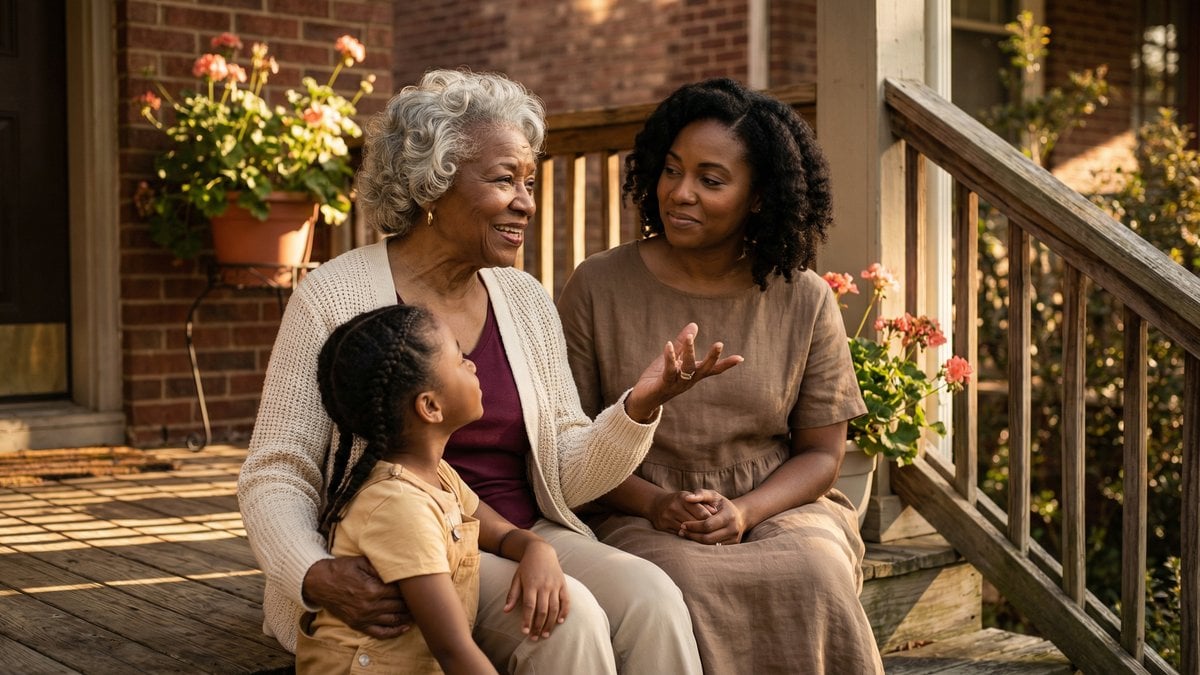
This isn’t about building self-esteem. This is about accuracy.
Your child descends from people who survived the Middle Passage. Who built an entire economy with their bare hands while being told they were less than human. Who organized, litigated, marched, and created in the face of laws designed to stop them.
That’s not struggle porn. That’s a documented record of extraordinary human beings.
Say it plainly: “You come from people who were never supposed to survive — and they did. That’s in you.”
2. History Isn’t Over — and Neither Is Their Role In It
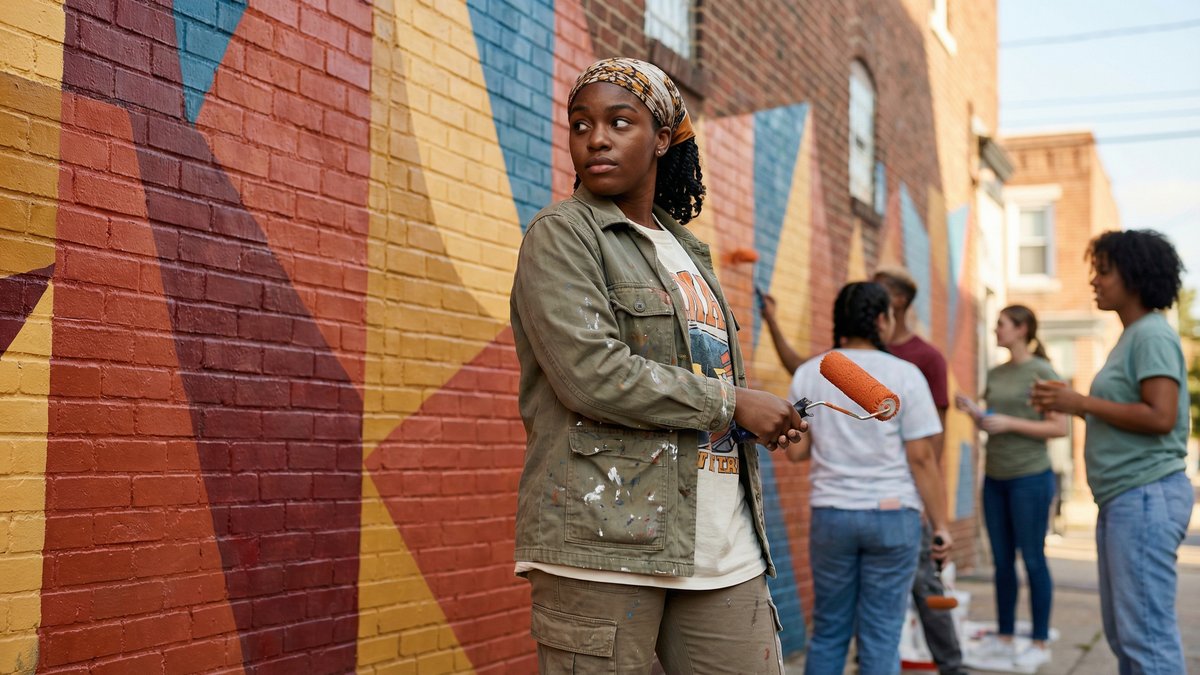
A lot of what our children are being taught treats Black history like it’s finished. Like it’s a chapter that ended somewhere around 1968.
It didn’t.
The same fights for voting rights, educational equity, and economic justice are alive right now, in 2026. Your child is not inheriting a solved problem. They’re inheriting an ongoing story — and they get to decide what role they play.
That’s not a burden. That’s an invitation.
3. When Someone Tells You Who They Are, Believe Them

This one saves years of confusion.
Whether it’s a friend who dismisses their feelings, a teacher who underestimates them, or a system that makes them invisible — your child needs to know: pay attention to how people treat you, not just what they say.
This is wisdom that’s been passed down in Black families for generations, usually without being named. Name it.
“When someone shows you who they are, believe them the first time.” — Maya Angelou said it. Pass it down.
✊🏾 Join 500,000+ families keeping Black history alive at home.
Get tools, stories, and exclusive offers delivered to your inbox.
4. Their Blackness Is Not a Liability to Manage — It’s an Identity to Embrace

Too many of our children receive an unspoken message: be less visible, be less threatening, be easier to accept.
Counter that directly.
Their voice, their style, their way of seeing the world — these are not obstacles to navigate around. They are assets. The goal isn’t to shrink to fit into rooms that weren’t built for them. The goal is to walk in fully and change the temperature.
Tell them: “You don’t have to make yourself smaller to be loved by people who are uncomfortable with your size.”
5. Learn the Names — All of Them
Not just Harriet and Martin.
Mary McLeod Bethune, who built a school with $1.50 and five students. Claudette Colvin, who refused to give up her bus seat nine months before Rosa Parks. Bayard Rustin, who organized the March on Washington and was erased from the story because of who he loved. Robert F. Smith, who paid off the student debt of an entire graduating class. Katherine Johnson, whose calculations sent humans to the moon.
These are their people. Make the names normal in your house.
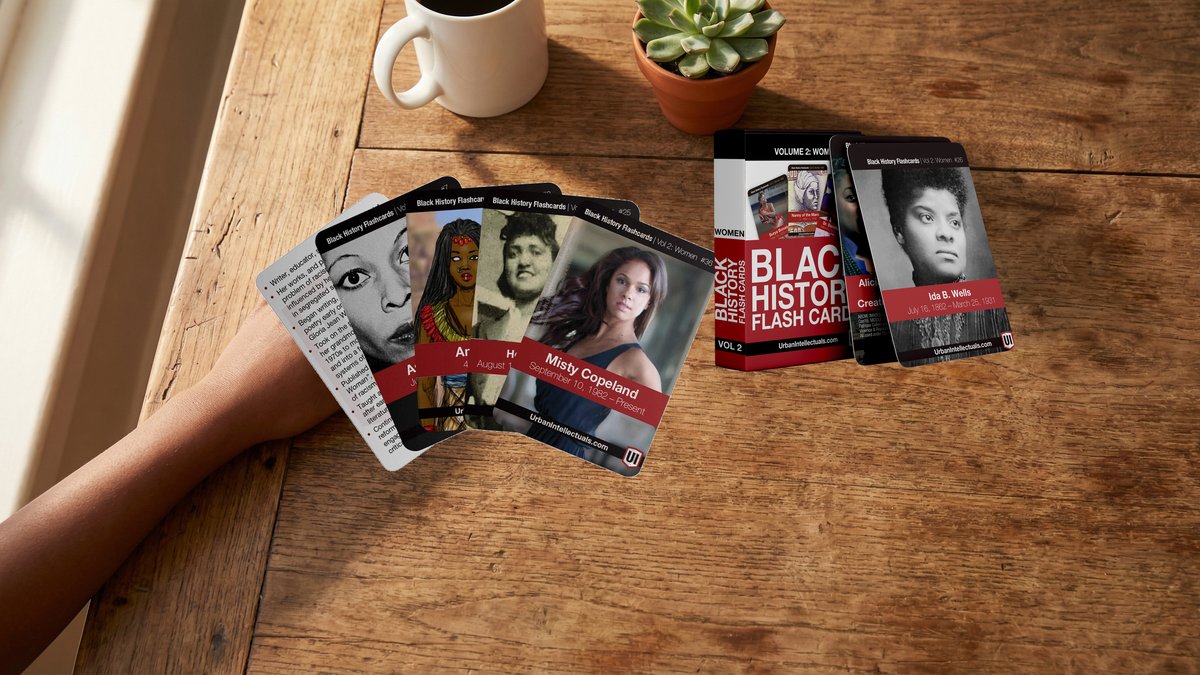
This is exactly why we built the Black History Flashcards — because 500,000+ families have used them to put these names in front of their children every single day. Not just in February. Every month.
6. You Are Allowed to Be Angry — and Anger Is Not the Same as Defeat

Black children absorb a lot.
They hear things in school they don’t have words for. They see things in the news that don’t make sense. They feel the weight of double standards that nobody in authority will acknowledge.
They need to know: that anger is valid. It’s a sign their conscience is working.
But also: anger without direction becomes exhaustion. Help them channel it. Into questions. Into learning. Into building something.
“Your anger tells you something is wrong. Your history tells you what to do with it.”
7. Your Home Is the Most Powerful Classroom You’ll Ever Have

Schools are doing what they’re designed to do — and in 2026, that increasingly means less Black history, not more.
HBCU funding has been cut. Black history programs are being legislated out of classrooms in state after state. The panels at historical sites are coming down. The textbooks are getting thinner.
But none of that reaches inside your home.
Your dinner table, your car rides, the cards on the refrigerator, the books on the shelf — that’s the curriculum that shapes who your child becomes. Not because school failed (though sometimes it has), but because you have something no school board can mandate: love, context, and a shared story.
You are not supplementing their education.
You are completing it.
Start Today — Not Next February
Black History Month is one month. Your child is growing up every day of the year.
The families who raise children who know who they are don’t wait for a special occasion. They make it routine. Breakfast. Bedtime. A card on the table. A name dropped in conversation. A question asked on the way to practice.
The Black History Flashcards are built for exactly this — 5 minutes a day, names and stories your child won’t get anywhere else. Over 500,000 sold, because parents like you already know: this work doesn’t wait.
Urban Intellectuals was founded by Freddie Taylor to put Black history back in Black homes — not behind a judge’s order or a school board’s permission. Browse the full collection at store.urbanintellectuals.com.
This work starts at home. And you don’t have to do it alone.
Ready to go deeper? Teaching your kids to see through covert racism is a natural next step — read Teaching Your Kids to See the Mask Before It Slips.
📚 Related Reading
- How to Talk to Your Black Child About Racism Without Scaring Them
- 12 Black History Activities You Can Do at Home (That Kids Actually Love)
- How Social Media Shapes Black Family Life
- “But Won’t This Make My Child Too Focused on Race?” (And 7 Other Questions Every Parent Asks)
- Black History Month 2025: Standing Firm in Power and Pride
Don’t miss what matters.
Join the Urban Intellectuals family — history, culture, and tools for raising empowered Black children. Straight to your inbox.


 Flashcards
 Games
Games Apparel & Homeware
 Travel
 Schools
 Memberships
 Sankofa Club (Children)
 About Us