
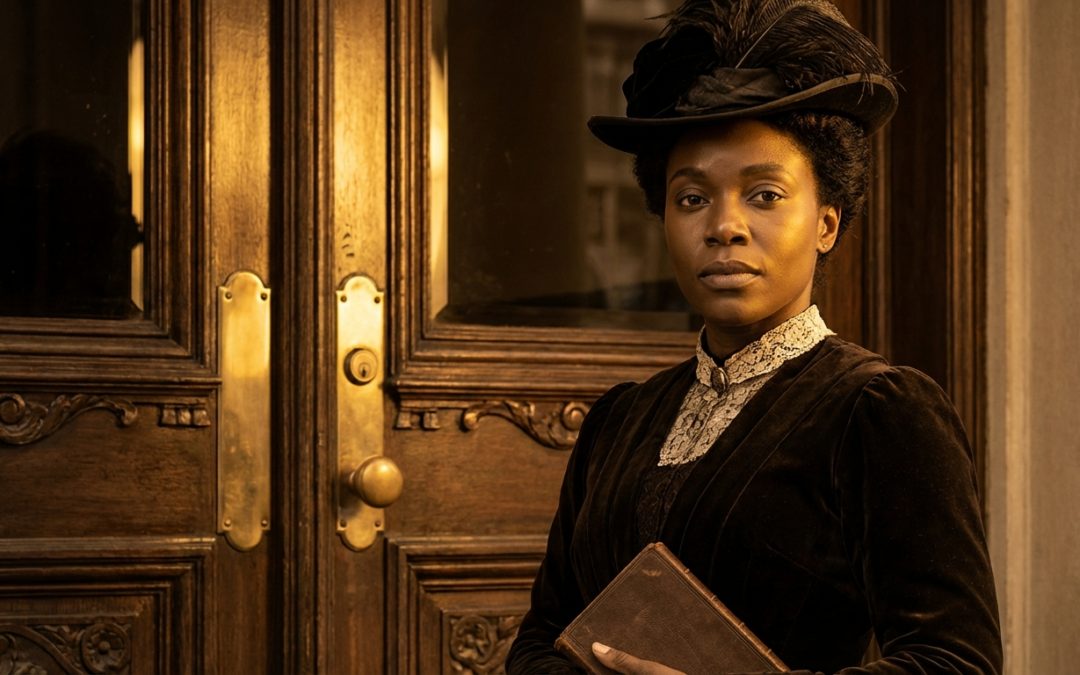
Every March, America celebrates Women’s History Month.
And every March, the same names cycle through: Susan B. Anthony. Elizabeth Cady Stanton. Rosie the Riveter.
Meanwhile, Black women built half this country and can’t even get a paragraph in the textbook.
The Erasure Is the Point
Let’s be clear about something: Black women aren’t missing from history because they didn’t do anything. They’re missing because including them would change the entire story America tells about itself.
If you teach (read about Ruby Bridges) that Mary Kenner invented the sanitary belt in 1957 — a device that improved the lives of millions of women — you also have to explain why no company would manufacture it for decades. Because she was Black.
If you teach that Dr. Rebecca Lee Crumpler became the first Black woman physician in America in 1864, you have to explain what kind of country makes that achievement impossible for everyone who came before her.
The erasure isn’t accidental. It’s structural. And Women’s History Month, the way most schools teach it, is part of the problem.
The Builders
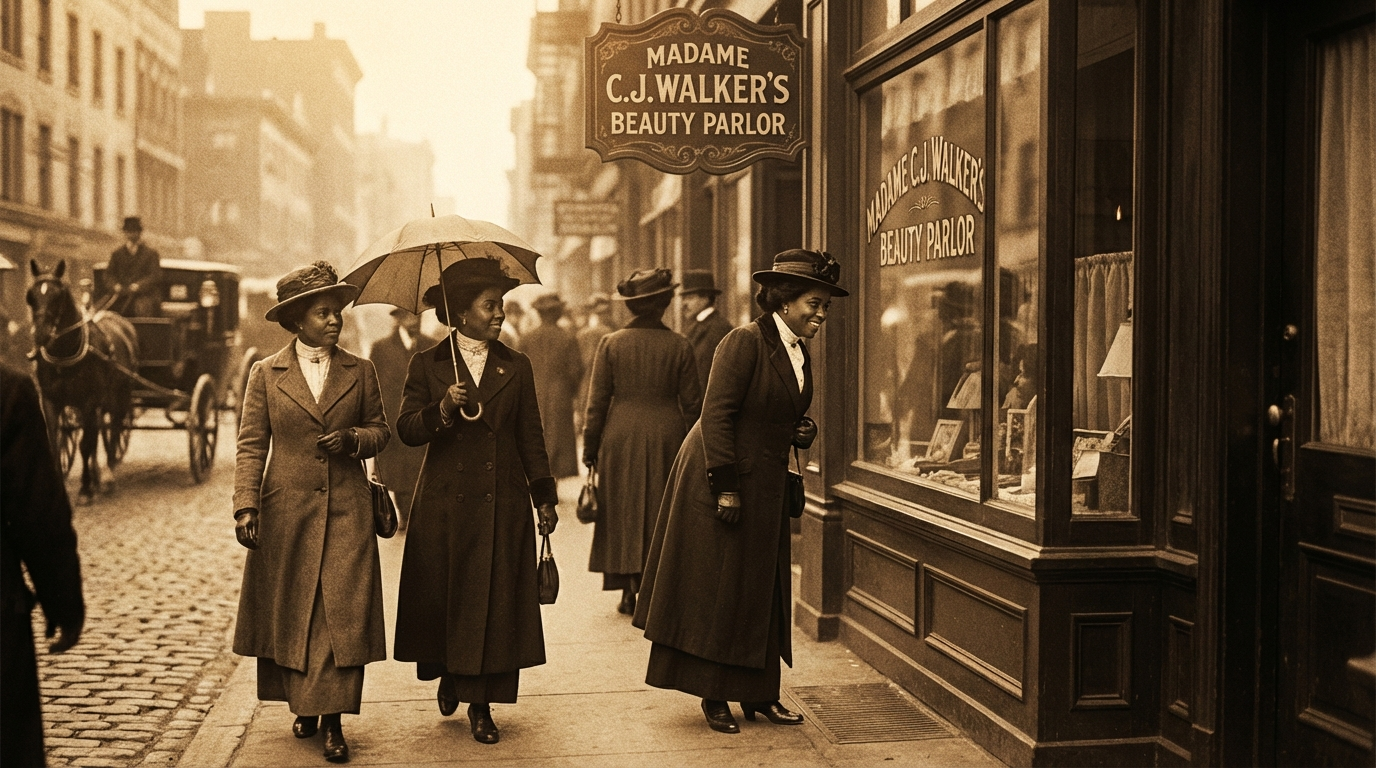
Madam C.J. Walker didn’t just make hair products. She built the first self-made female millionaire empire in American history — in 1910, as a Black woman, in a country that wouldn’t let her vote for another decade. She employed thousands of Black women and gave them economic independence when the only other option was domestic work.
Maggie Lena Walker became the first woman of any race to charter a bank in the United States — the St. Luke Penny Savings Bank in Richmond, Virginia, in 1903. She didn’t wait for permission. She built financial infrastructure for an entire community that the banking system had locked out.
Annie Turnbo Malone was actually Walker’s mentor and built a beauty empire before her — including Poro College in St. Louis, which trained thousands of Black women in business. Her net worth hit $14 million in today’s dollars. You’ve probably never heard her name.
These women didn’t just succeed. They built industries from nothing, in a country designed to give them nothing.
The Healers
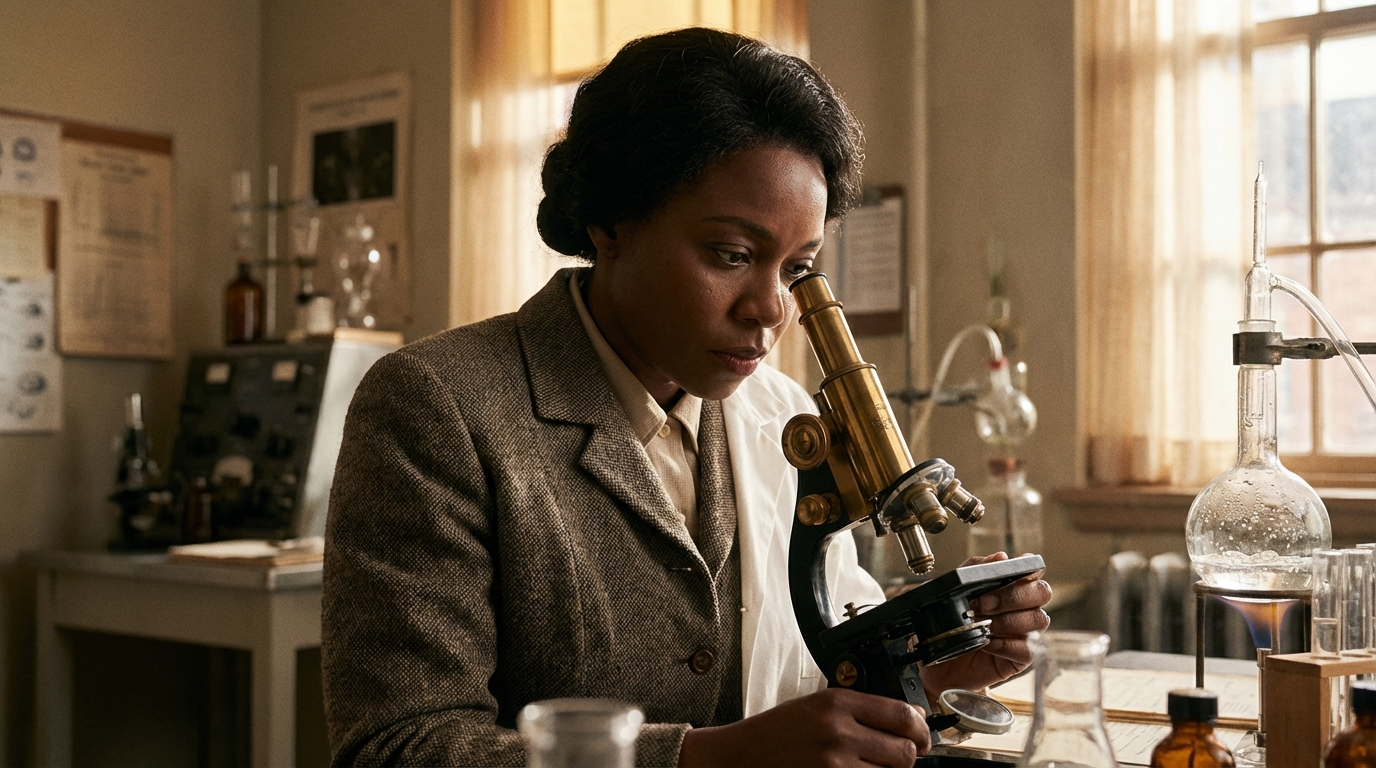
Henrietta Lacks — her cells, taken without consent in 1951, became the foundation of modern medicine. The polio vaccine. Cancer research. COVID treatments. Her family didn’t see a dime for decades. The medical establishment built an empire on a Black woman’s body and didn’t even tell her family.
Dr. Patricia Bath invented laser cataract surgery in 1988 — a technology that has restored sight to millions of people worldwide. She was the first Black woman to receive a medical patent. She had to fight her own colleagues just to be allowed in the operating room.
Biddy Mason walked 1,700 miles behind her enslaver’s wagon train, won her freedom in a California courtroom, and then used her earnings as a nurse and midwife to buy property, found a church, and build institutions that served Los Angeles’s Black community for generations.
Your kids (read about 7 Things Every Black Parent Should Tell Their Child) should know these names. These are the women who healed us, literally, while the system tried to break them.
✊🏾 Join 500,000+ families keeping Black history alive at home.
Get tools, stories, and exclusive offers delivered to your inbox.
The Fighters
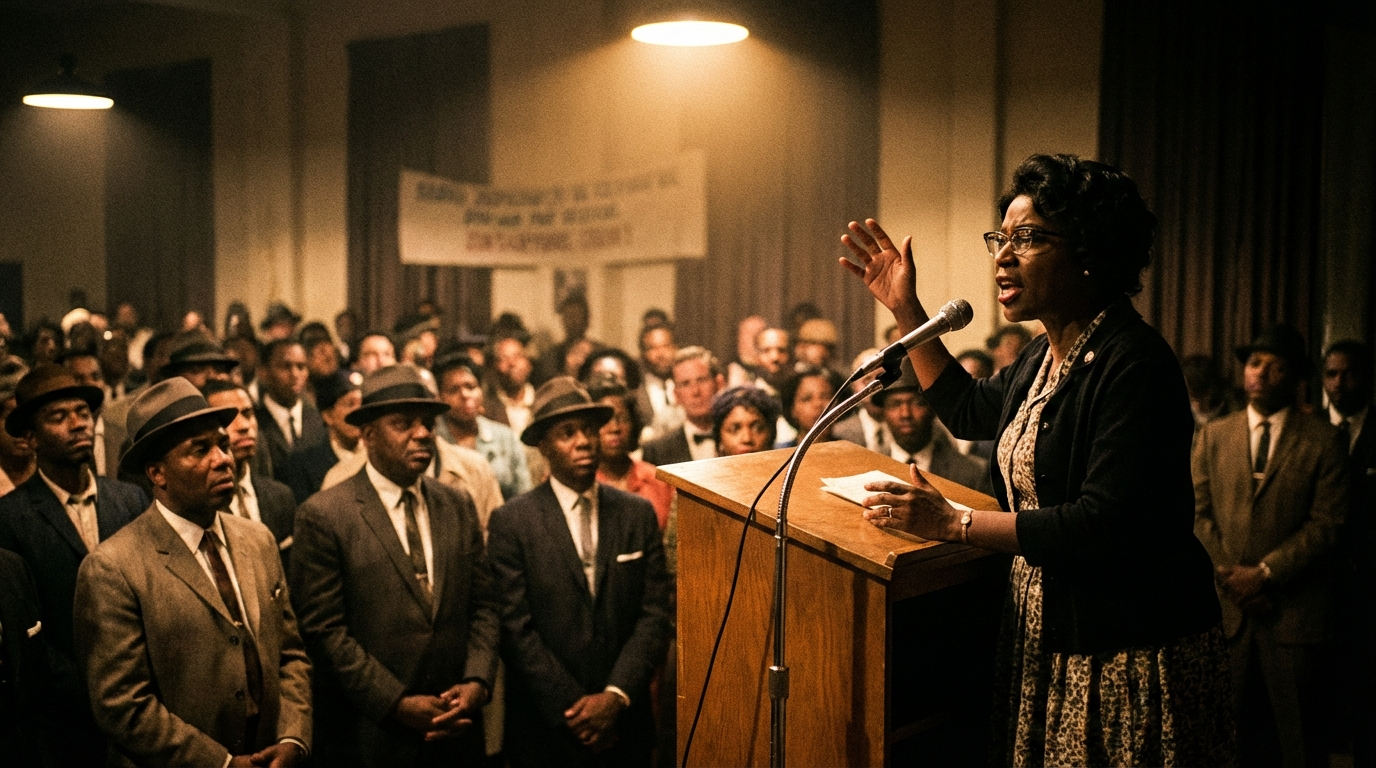
Fannie Lou Hamer was beaten in a Mississippi jail for trying to register to vote. She went back. She testified before the Democratic National Convention. She said “I’m sick and tired of being sick and tired” and meant every word with her full chest.
Claudette Colvin refused to give up her bus seat nine months before Rosa Parks — at fifteen years old. The movement chose Parks as the face of the boycott because Colvin was a pregnant teenager and they worried about optics. She deserves her flowers.
Ella Baker organized the Student Nonviolent Coordinating Committee, mentored the young people of the movement, and deliberately stayed out of the spotlight because she believed in collective leadership over celebrity. Every sit-in, every freedom ride — her fingerprints were on the strategy.
These women didn’t just participate in history. They built the movements that other people got credit for.
Why This Matters for Your Family
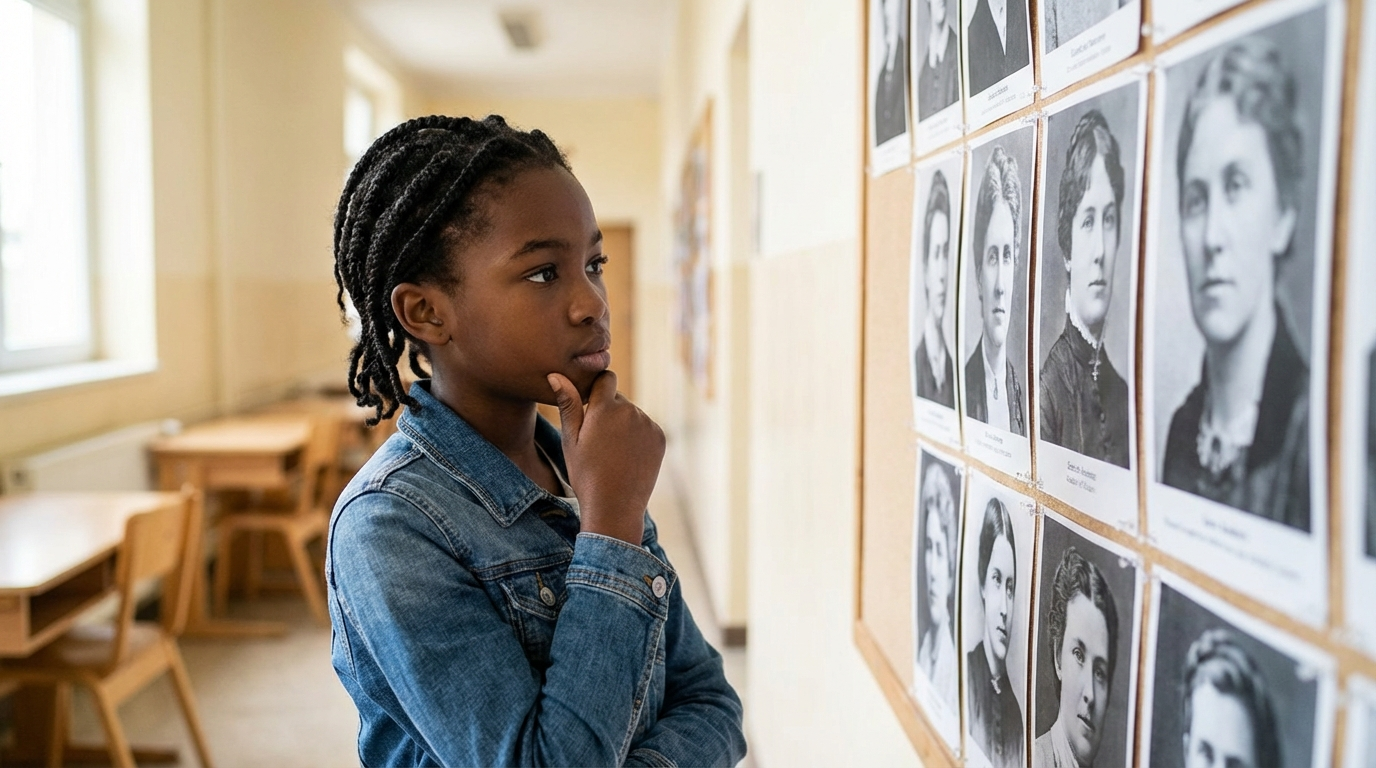
Here’s the thing about representation: when your daughter sees a “Women’s History Month” display at school with zero Black faces, she gets a message. When your son learns about inventors and scientists and every single one is white, he gets a message.
And the message is: we weren’t there. We didn’t contribute. We don’t count.
That’s a lie. And it’s our job to correct it.
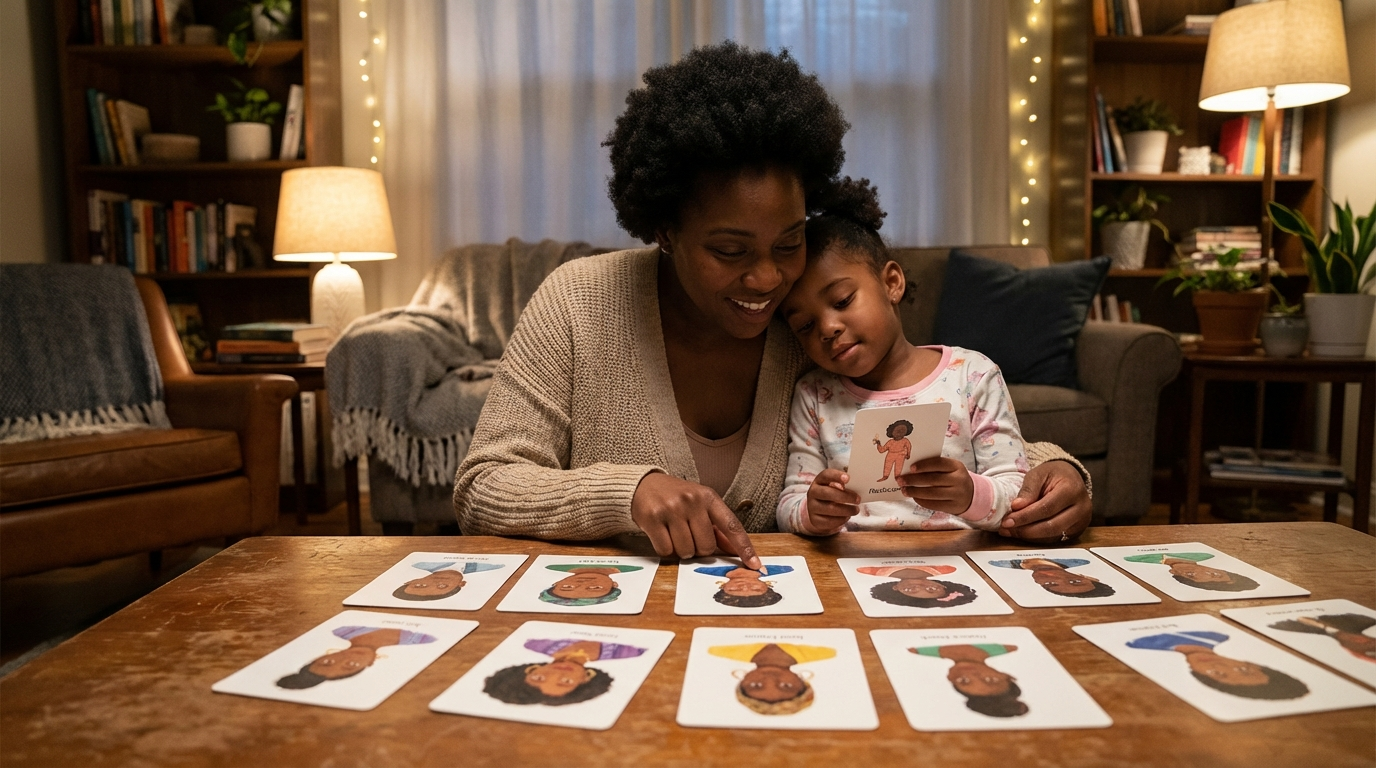
That’s why the Women’s Edition Black History Flashcards exist — 52 cards featuring Black women who changed the world. Not as a supplement to the “real” history. As the history that’s been deliberately kept from your family.
Put them on the dinner table. Quiz each other. Let your kids hold these names in their hands.
Don’t Wait for the Textbook
Women’s History Month ends in a few days. But teaching your children about Black women who built this country? That’s a year-round commitment.
Start tonight. Pick one name from this post. Look her up together. Talk about what she did and what it cost her.
Then ask your kids: “Why do you think we didn’t learn about her in school?”
That conversation alone is worth more than a month of bulletin boards.
And once they know about these women — the real question is: can they recognize when that legacy is being erased in real time? Read: Teaching Your Kids to See the Mask Before It Slips.
Which Black woman do you think deserves way more recognition than she gets? Tell me — I want to hear your pick. ✊🏾
Don’t miss what matters.
Join the Urban Intellectuals family — history, culture, and tools for raising empowered Black children. Straight to your inbox.


 Flashcards
 Games
Games Apparel & Homeware
 Travel
 Schools
 Memberships
 Sankofa Club (Children)
 About Us