
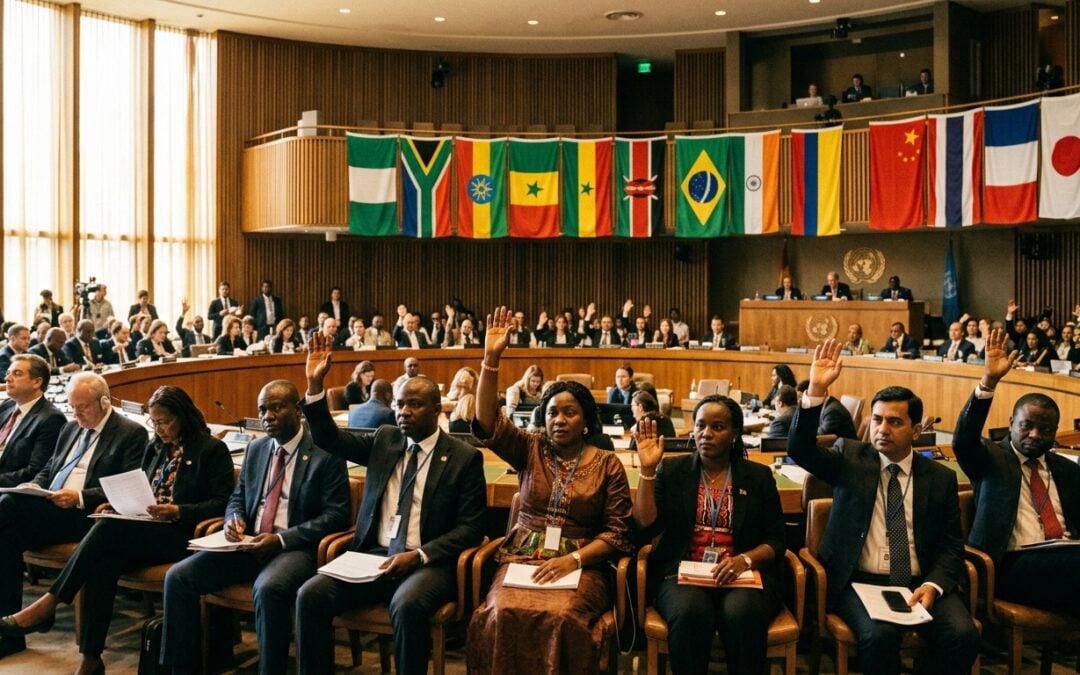
When 123 nations stood up and voted yes — and the United States, Israel, and Argentina voted no — the whole world saw it.
You can’t unsee a number like 123. That’s not a split decision. That’s not a close call. That’s the world — the majority of it, including most of Africa, the Caribbean, Latin America, and Asia — speaking in one voice.
And America said no.
What Actually Happened
The UN General Assembly vote on a resolution demanding a ceasefire and protection for civilian lives drew 123 nations in favor. Three voted against: the United States, Israel, and Argentina.
That’s the same United States that has spent decades declaring itself the global protector of human rights and democracy. The same America that led the charge on international coalitions when it suited our foreign policy interests.
But 123 nations looked at the evidence — the bodies, the hospitals, the children, the families wiped from the civil registry — and voted yes. America looked at the same evidence and voted no.
This Isn’t New — This Is Pattern
Here’s what I need us to understand: this vote didn’t happen in a vacuum. It’s part of a documented pattern with a paper trail.
The United States has vetoed or voted against UN resolutions protecting Black and Brown lives more times than most people realize. From apartheid South Africa — where the US often abstained or blocked stronger action — to Haiti, to the Congo, to Palestine, the calculus is always the same.
Whose lives trigger international intervention? And whose lives get a no vote?
We’ve seen this pattern in our own history. When Black Americans demanded federal protection during the Civil Rights movement, Congress stalled. When Black communities demanded accountability for police violence, the federal response was to monitor the protesters, not the police. The people with power have always been reluctant to use that power in defense of people who look like us.
The 123 nations who voted yes understand something that American foreign policy still refuses to say out loud: human rights are not selective. You don’t get to claim them as your brand and then vote against them when it’s inconvenient.
Why the Black Community Should Be Paying Attention
Fam, this is personal. Not just politically — personally.
The same arguments used to justify America’s no vote — “it’s complicated,” “both sides,” “we have strategic interests” — are the same arguments used to explain why our community’s pain is never quite urgent enough for federal action.
When 123 nations can see the evidence clearly enough to vote yes, but America votes no, that tells you something about where our government thinks human lives rank in the order of priorities.
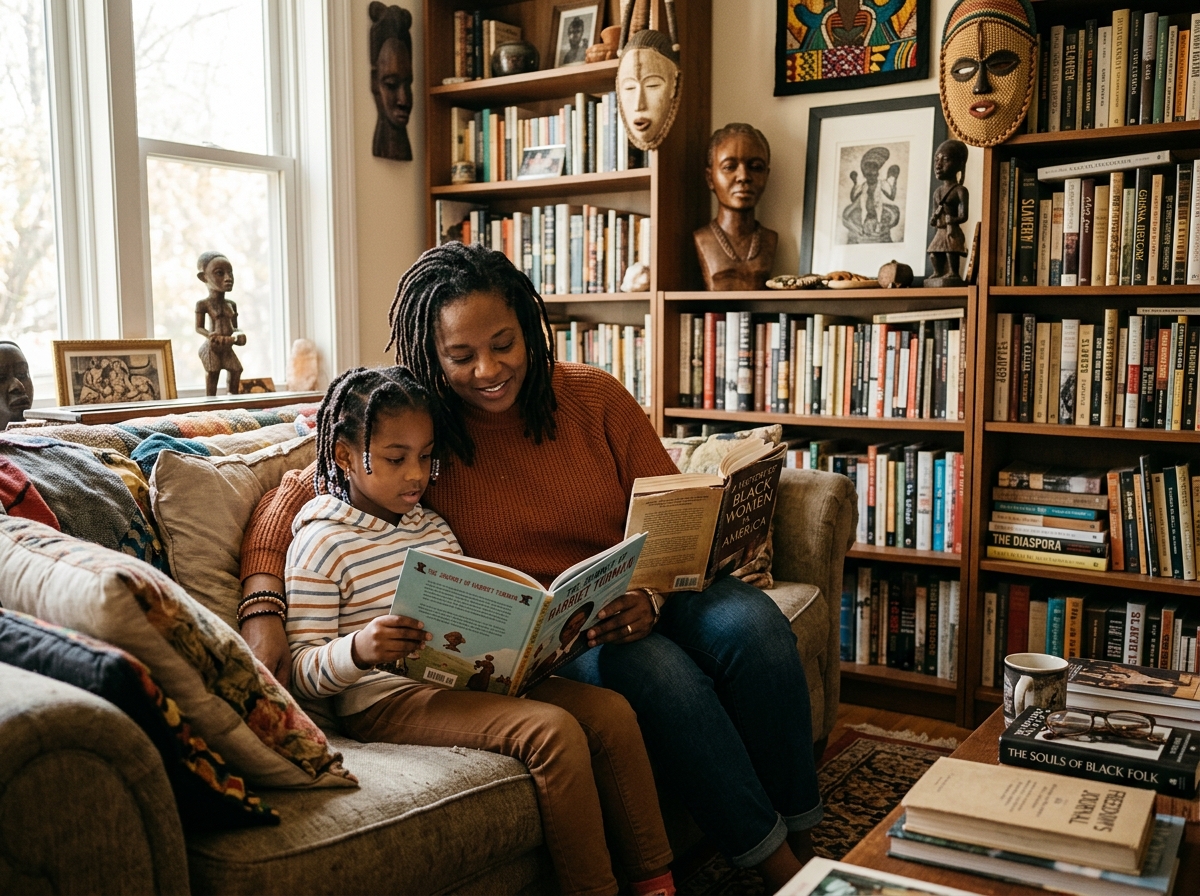
And here’s what I want you to sit with: this is why we teach our children history at home. Because the version they’ll get in school will gloss over America’s voting record at the UN. It’ll present our foreign policy as noble and principled, with a few regrettable exceptions.
We know better. We’ve lived the exceptions.
✊🏾 Join 500,000+ families keeping Black history alive at home.
Get tools, stories, and exclusive offers delivered to your inbox.
What 123 Nations Voting Together Actually Means
I don’t want us to miss the significance of that number.
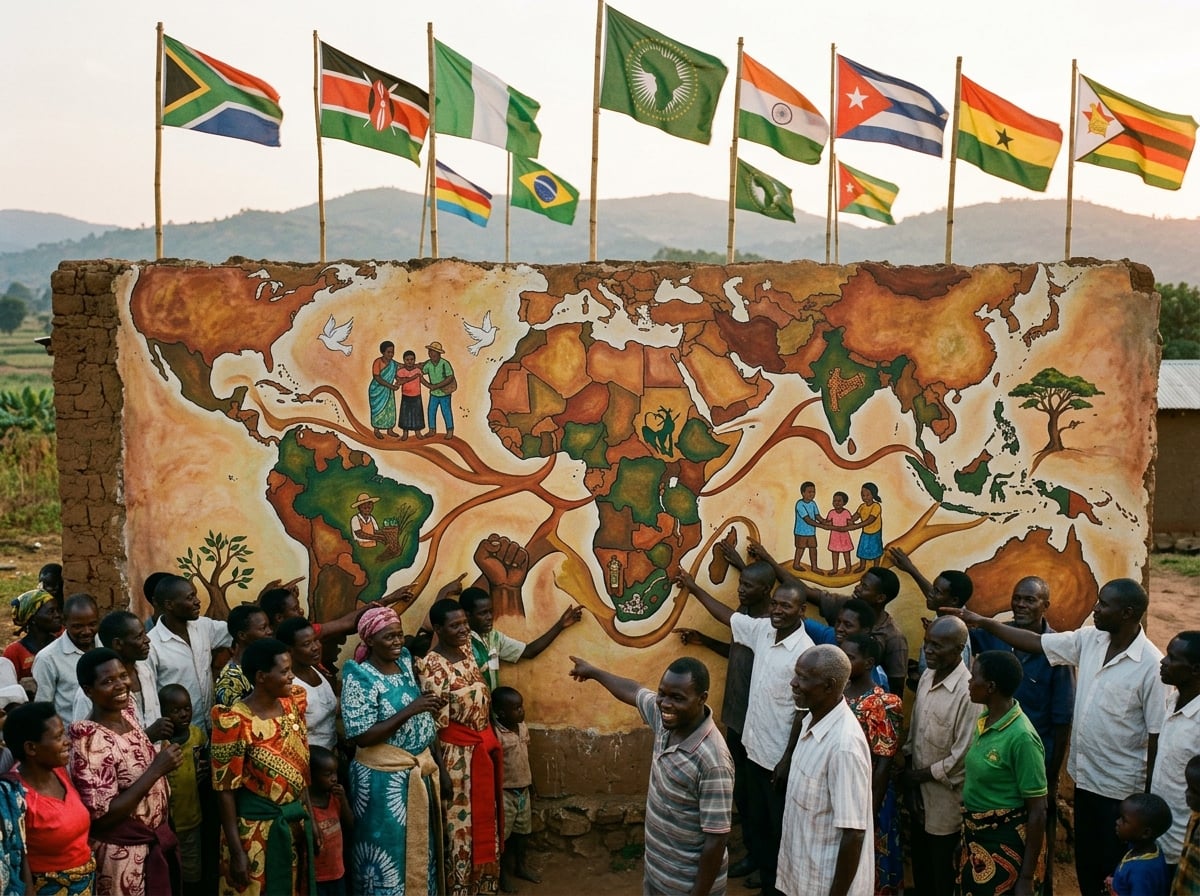
The Global South — Africa, the Caribbean, Southeast Asia, Latin America — came together in a way that rarely gets celebrated in American media. These are nations that the Western press usually covers as aid recipients or conflict zones or migration crises. They don’t get covered as a united moral voice.
But that’s exactly what 123 nations speaking together is: a moral voice. And it’s telling us something.
The world is not following America’s lead on this one. And that matters — because it means the political cover that has always come from “international consensus” is eroding. More and more, America’s no votes are standing alone on the wrong side of history.
Our ancestors knew what it felt like to be on the receiving end of a no vote from people with power. They knew what it felt like to petition and protest and prove your humanity over and over and still be told no.
When we teach our children about the world, we have to teach them this history too.
What We Can Do From Here
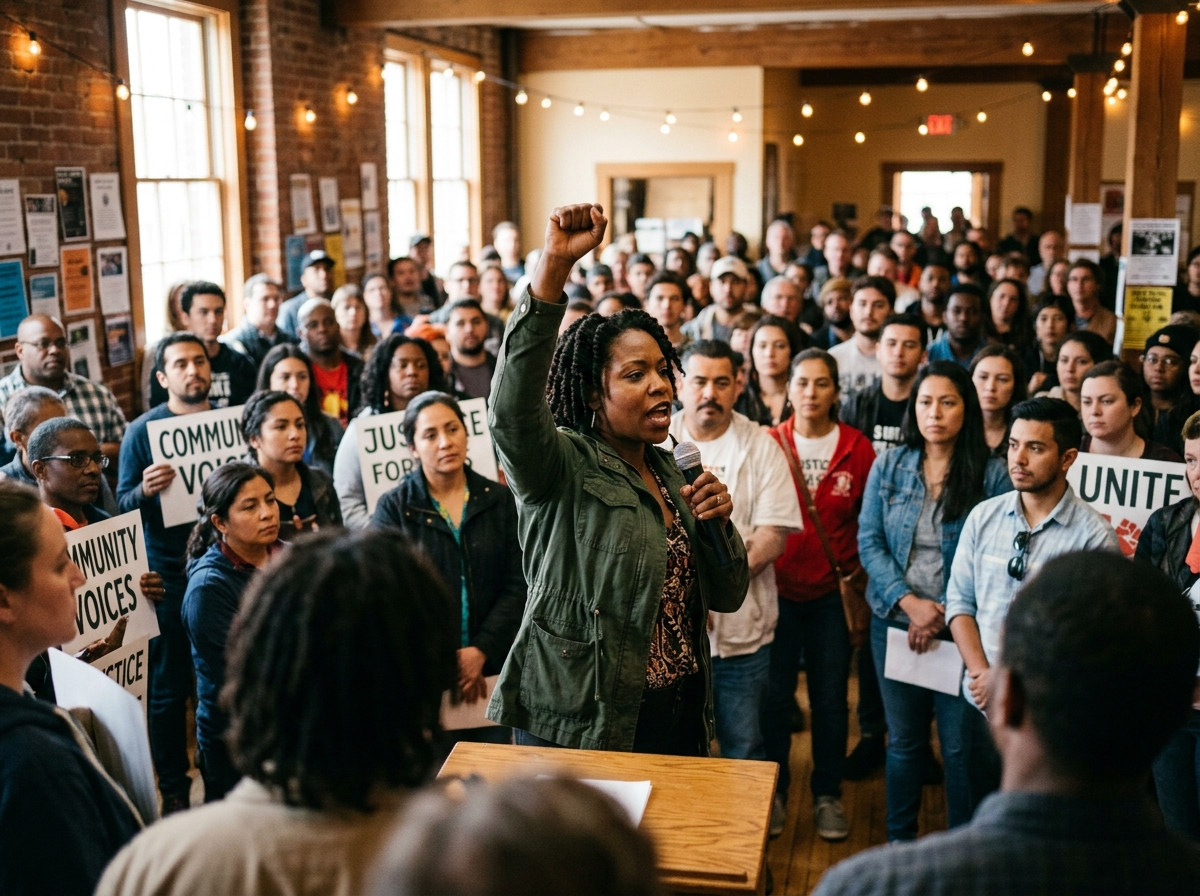
This isn’t a moment to despair. It’s a moment to be clear-eyed.
Know the vote. Bookmark it, share it, teach it. When someone tells you America always stands on the right side, you have a documented, public record that says otherwise.
Connect the dots for your children. History isn’t just the past — it’s the pattern that explains today. The UN vote, the civil rights struggles, the ongoing fight for accountability at home: it’s the same story, told across generations.
Support the educators who refuse to sanitize it. Whether that’s an independent school, a homeschool curriculum, a community program, or resources like our Black history flashcard collections — find tools that tell the whole truth.
History Is Watching
123 nations voted yes. Three said no.
That’s not a footnote. That’s a verdict. And history has a long memory.
Our job — as parents, as grandparents, as community members — is to make sure our children grow up knowing the truth about how power works in this world. Not the textbook version. Not the version that paints America as the reluctant hero who sometimes makes hard choices.
The full version. The honest version. The version where 123 nations stood up for human lives and three of the most powerful governments on earth said no.
That’s the version our children deserve to know.
What does this vote bring up for you? I want to hear how you’re talking about it with your family. Drop it in the comments — or read how we connect today’s politics to the long arc of Black history.
Don’t miss what matters.
Join the Urban Intellectuals family — history, culture, and tools for raising empowered Black children. Straight to your inbox.


 Flashcards
 Games
Games Apparel & Homeware
 Travel
 Schools
 Memberships
 Sankofa Club (Children)
 About Us