
🎙️ LISTEN TO THIS ARTICLE (What Black Women Built)
Prefer to listen? We turned this article into a podcast conversation.
She was six years old.
Let that sit for a minute. Six. The age when most kids are worried about losing a tooth or what’s for lunch. Ruby Bridges was worried about the grown folks screaming at her on the way to school.
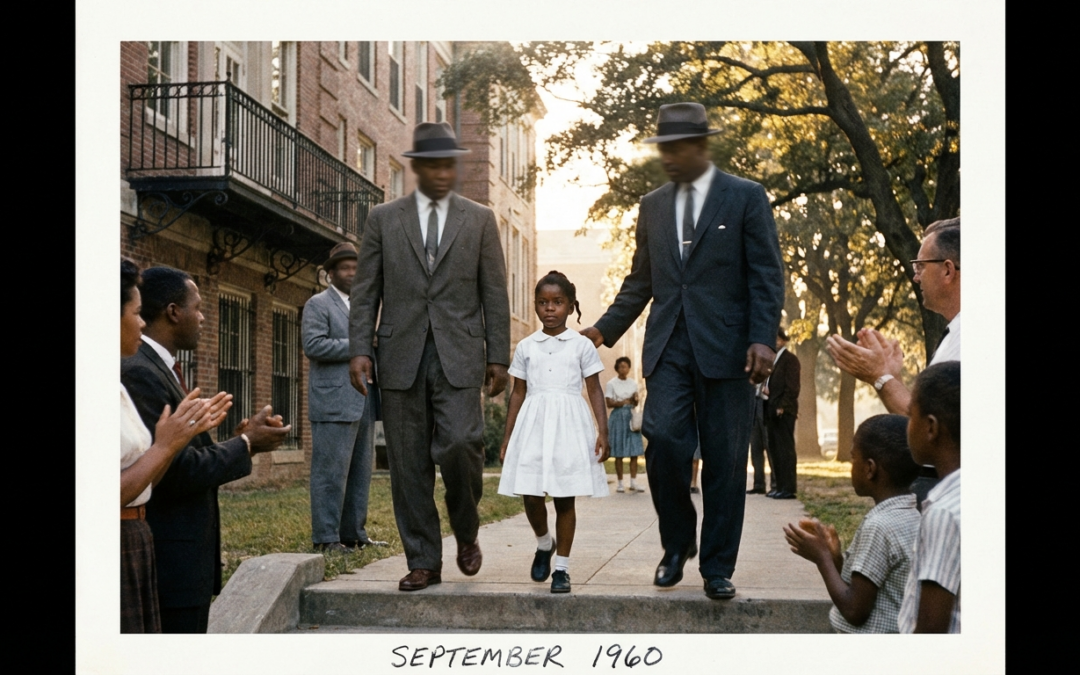
On November 14, 1960, federal marshals escorted Ruby Nell Bridges into William Frantz Elementary School in New Orleans, Louisiana. She became the first Black child to desegregate an all-white elementary school in the South.
She didn’t choose this. Her parents did. And they chose it knowing what it would cost.
The Walk That Changed America
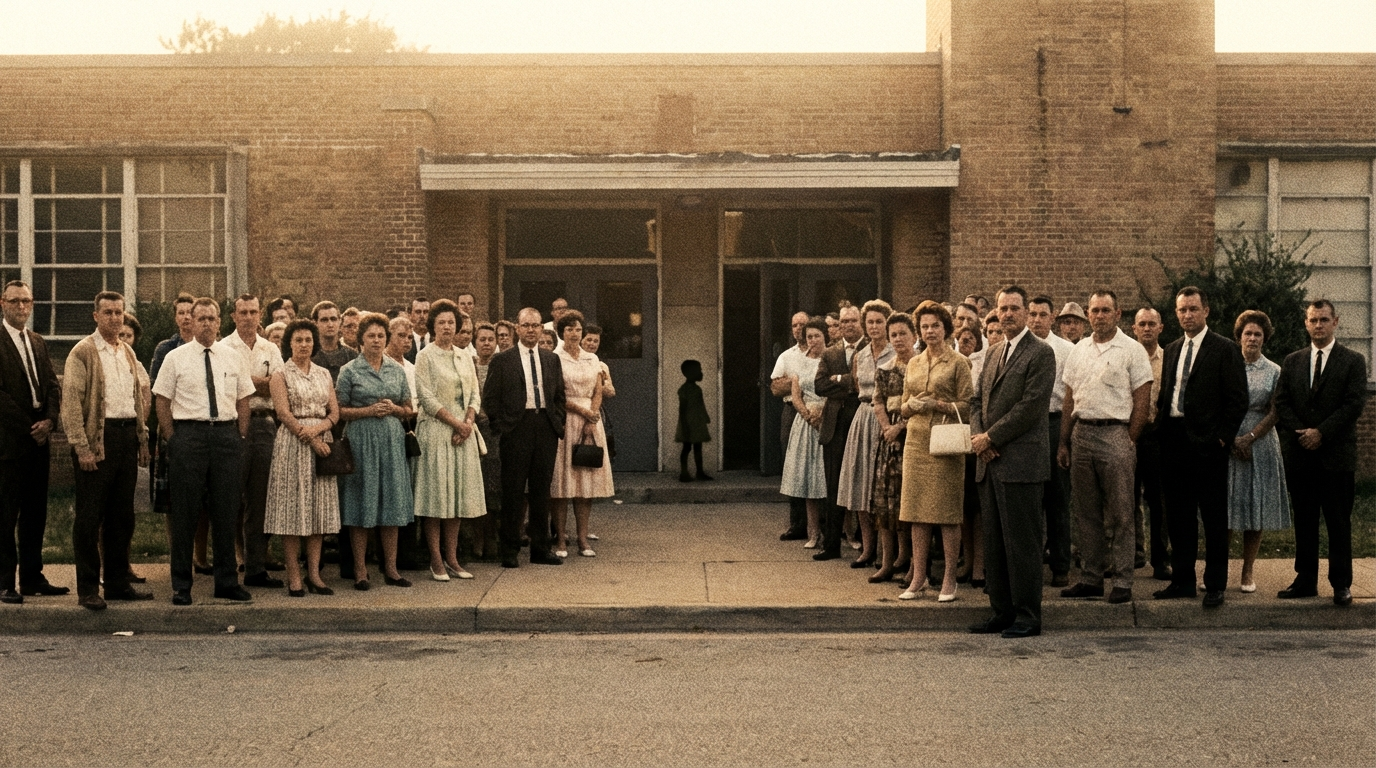
Four federal marshals. One little girl. A mob of white parents so enraged by a child’s presence that they pulled their own kids out of school.
Ruby walked past screaming adults, past a woman holding a Black doll in a coffin, past people threatening to poison her. Every single day. For an entire school year.
One teacher — Barbara Henry, from Boston — agreed to teach her. The rest refused. So Ruby sat in a classroom of one, learning her lessons while the world outside that door tried to break her.
She never missed a day.
What Her Parents Sacrificed
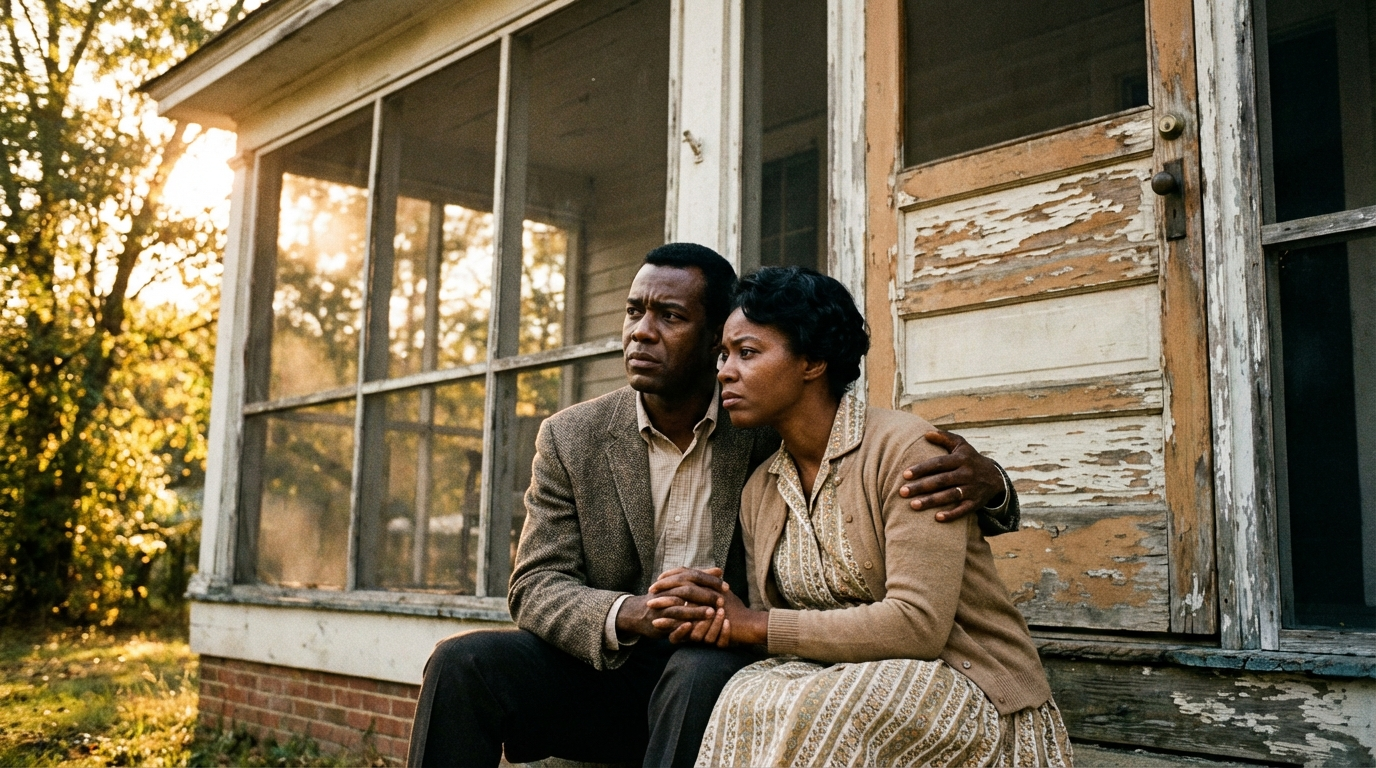
We talk about Ruby, but we don’t talk enough about Abon and Lucille Bridges.
Her father lost his job. The local grocery store refused to serve her family. Her grandparents, who were sharecroppers in Mississippi, were kicked off their land.
The family knew this would happen. They did it anyway.
Lucille Bridges said it plainly: “My husband and I just wanted what was right for our children.”
That’s the line that should be in every history book. Not the sanitized version about “progress” and “changing times.” A Black family making an impossible choice because they believed their child deserved the same education as everyone else’s child.
Norman Rockwell Saw It. Did You?
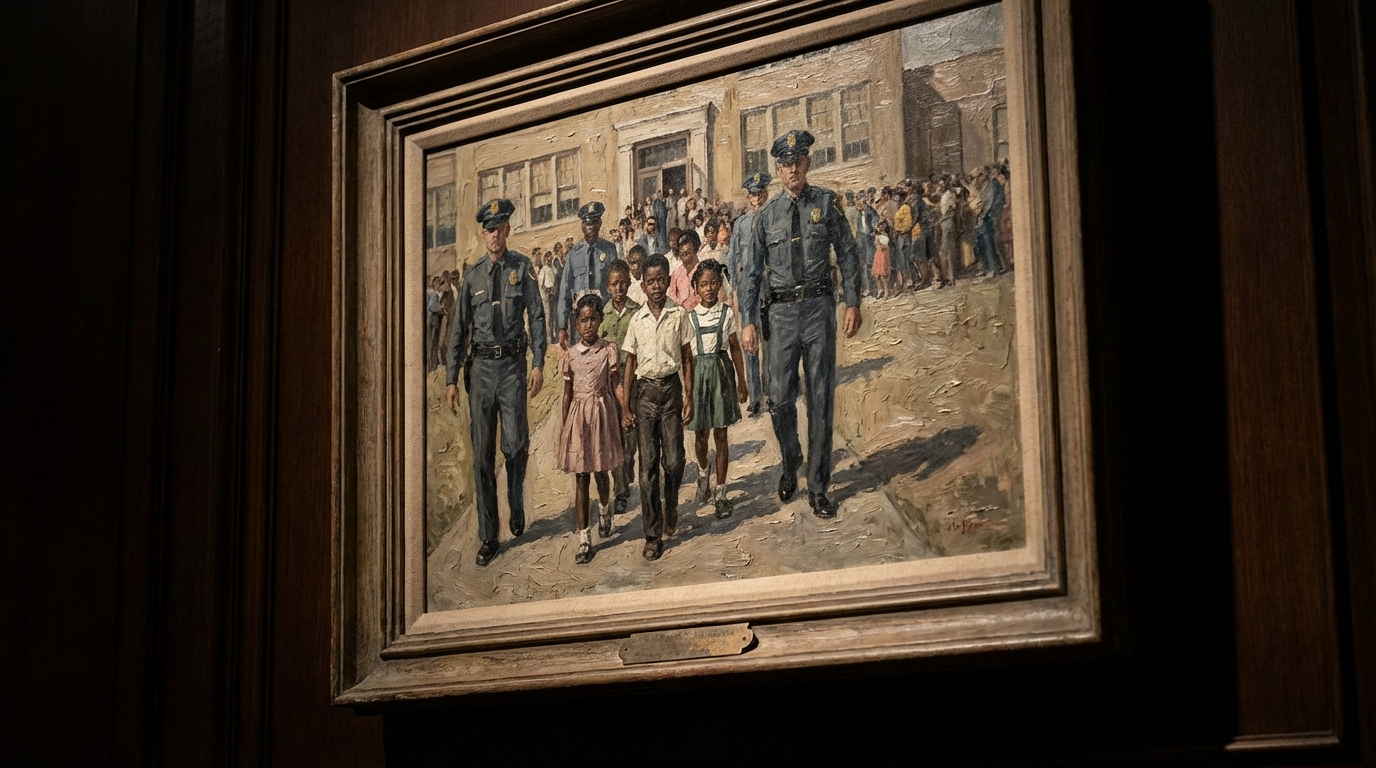
Norman Rockwell’s painting The Problem We All Live With showed Ruby walking to school, flanked by marshals, tomato splattered on the wall behind her.
It was too controversial for the Saturday Evening Post. Think about that — a painting of a child going to school was considered too provocative for mainstream America in 1964.
That painting eventually hung in the White House. President Obama stood next to Ruby Bridges herself when they unveiled it. A full circle that took over fifty years.
But here’s what we need to ask ourselves: how many of our children have actually seen that painting? How many know the story behind it?
✊🏾 Join 500,000+ families keeping Black history alive at home.
Get tools, stories, and exclusive offers delivered to your inbox.
What Schools Leave Out
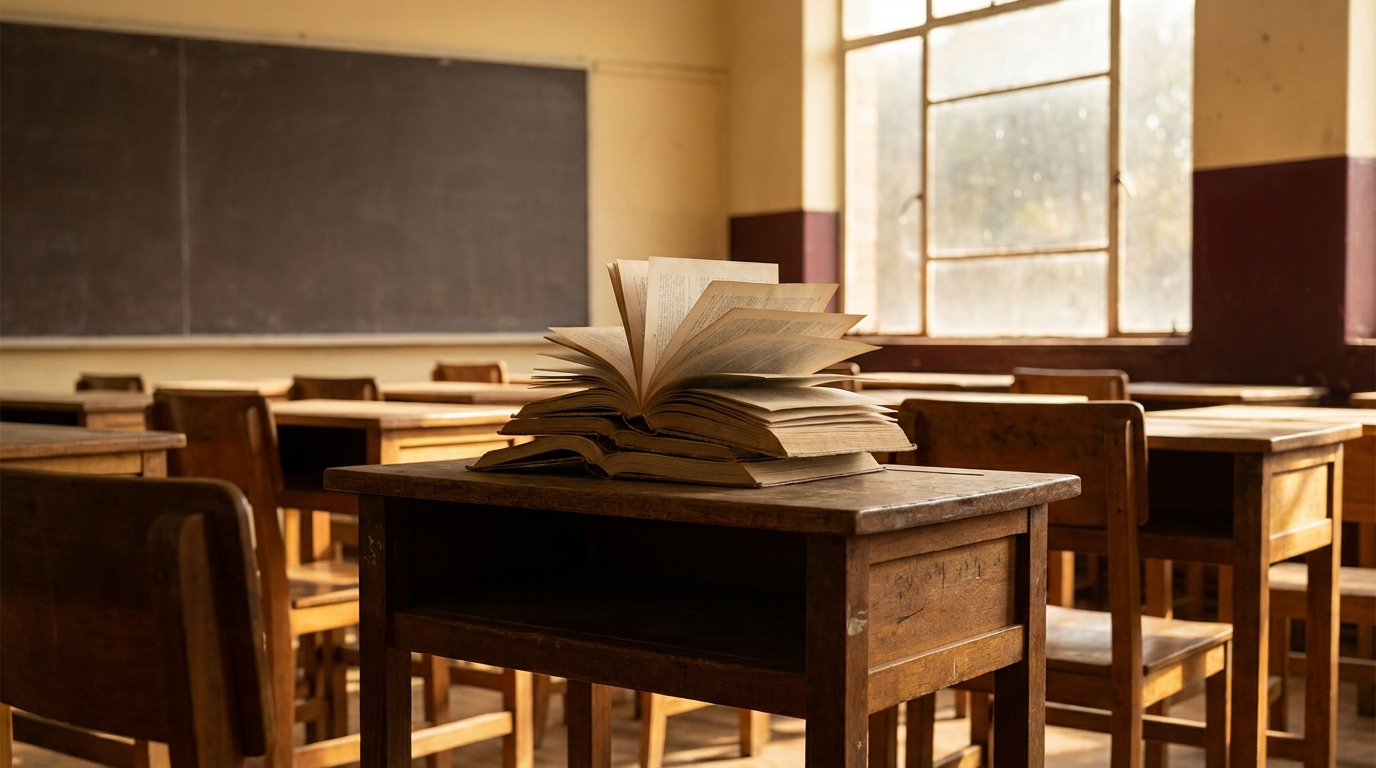
Most textbooks give Ruby Bridges two paragraphs. Maybe three if you’re lucky. They frame it as: “A brave little girl went to school. Things got better. The end.”
They leave out the terror. They leave out the economic retaliation against her family. They leave out that Ruby needed therapy as an adult to process what happened to her at six years old.
They leave out that the same school she desegregated was later named after her — and that in 2022, a parent in Tennessee tried to ban a book about Ruby Bridges from a school library.
Read that again. A book about a child fighting for the right to go to school — banned from a school.
If that doesn’t tell you why we need to teach this history ourselves, at home, with our own materials, I don’t know what will.
Why This Story Matters Right Now
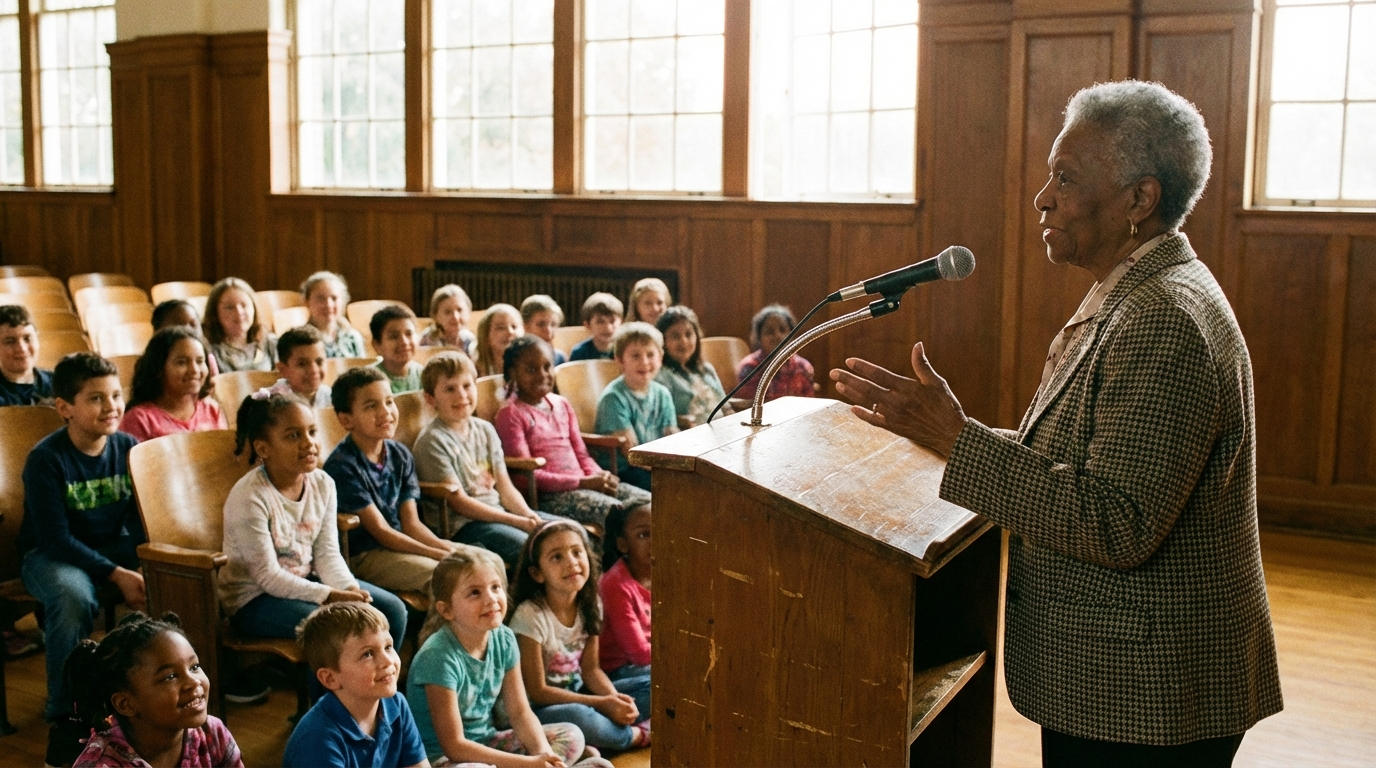
Ruby Bridges is still alive. She’s 71 years old. The woman who desegregated that school is younger than some of your grandparents.
This isn’t ancient history. This is within living memory.
And the forces that lined up to keep a six-year-old out of school? They didn’t disappear. They just changed their language. “Critical race theory.” “Age-inappropriate material.” “Divisive concepts.”
Different words. Same energy.
That’s why it falls on us — Black parents, grandparents, aunties, uncles — to make sure our children know the full story. Not the watered-down version. The real one.
How to Teach This at Home
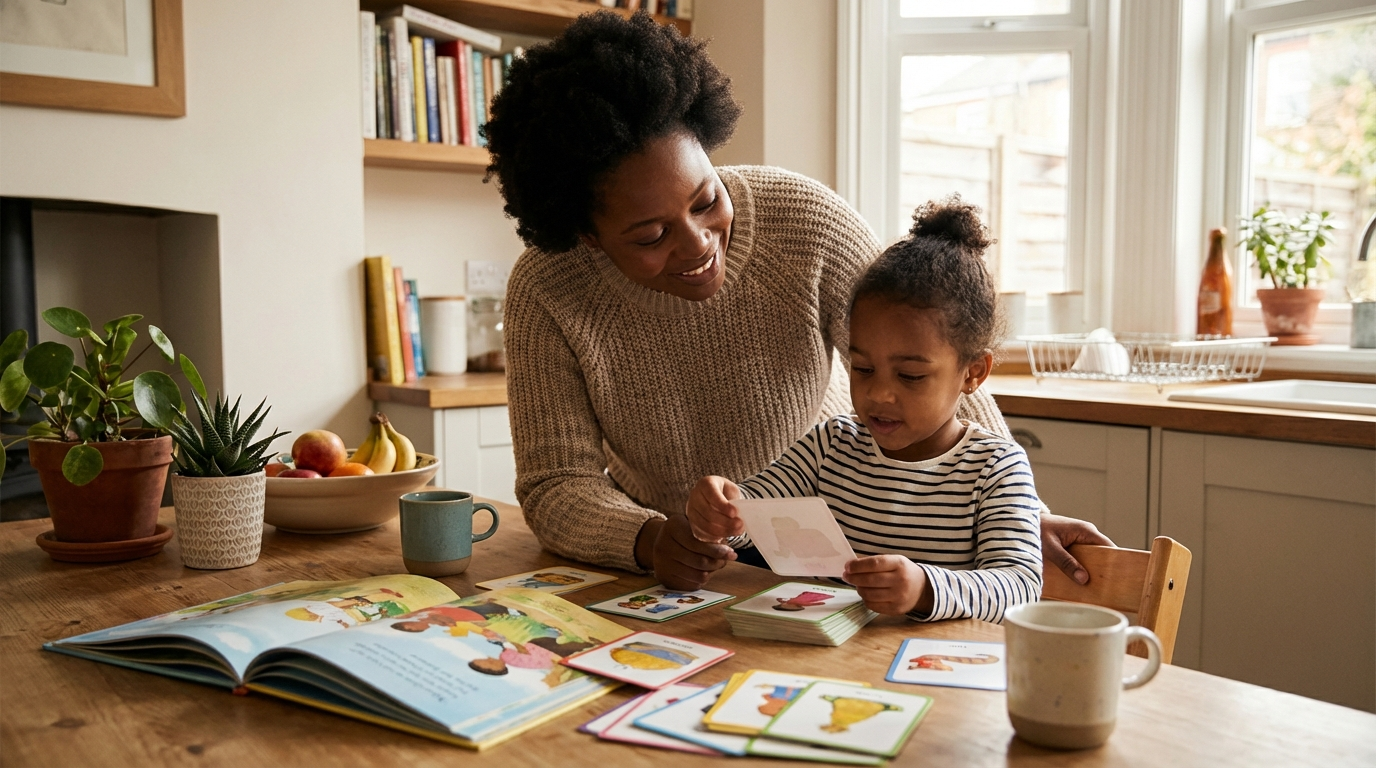
You don’t need a curriculum committee to teach your child about Ruby Bridges. You need a conversation and some good materials.
Start with the story. Tell them what happened — age-appropriately but honestly. Don’t sugarcoat it. Kids can handle more truth than we give them credit for.
Then connect it to today. Ask them: “Has anyone ever treated you differently because of how you look?” Let them talk. Listen.
Our Black History Flashcards were built for exactly these moments — turning a name into a conversation, a fact into a family discussion. Ruby’s story is one of hundreds that our kids deserve to know by heart.
What Ruby Says Now
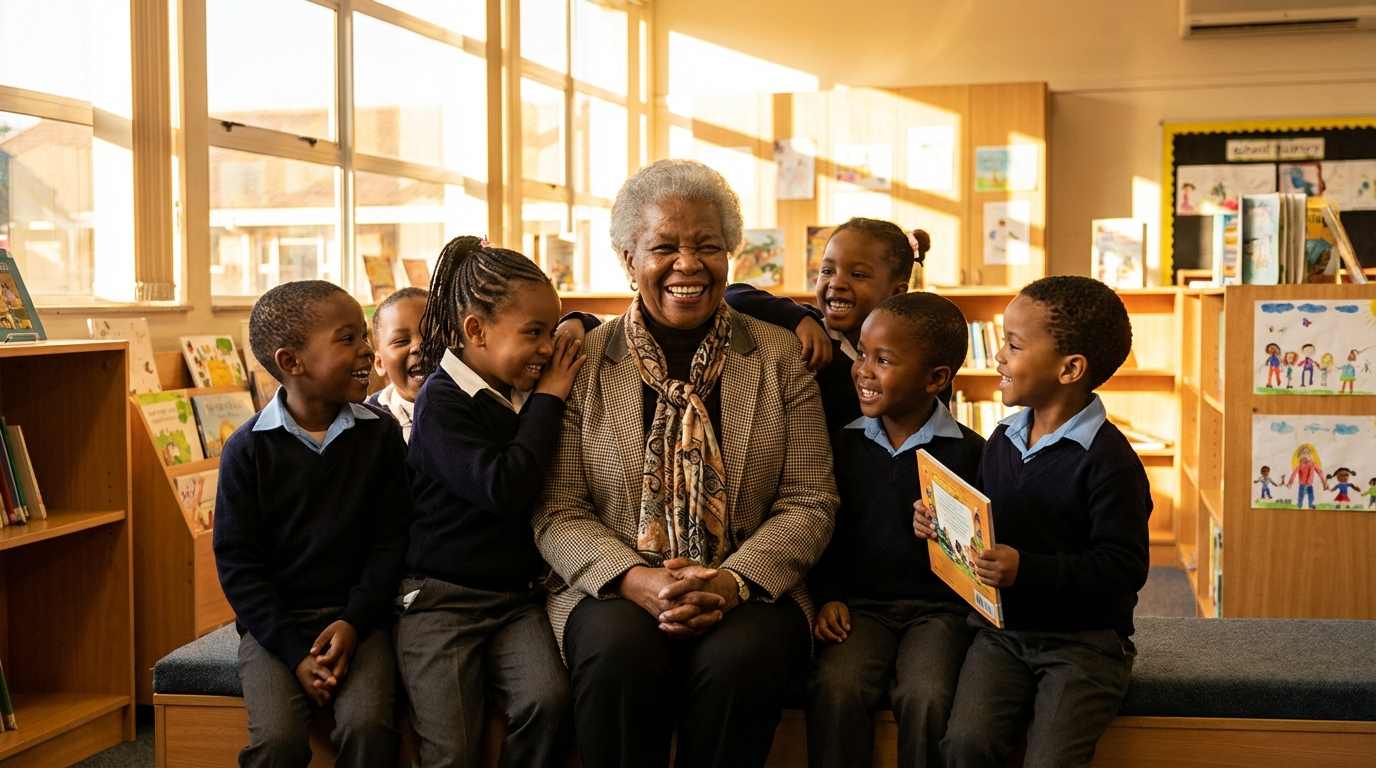
Ruby Bridges has spent her adult life doing exactly what the mob tried to prevent: educating children.
She founded the Ruby Bridges Foundation, dedicated to promoting tolerance and creating change through education. She visits schools. She tells her story. She’s still walking through that door, every single day.
In her own words: “Each and every one of us is born with a clean heart. Our babies know nothing about hate or racism. But soon they begin to learn — and only from us.”
That’s the assignment, fam. Our kids are born with clean hearts. What we put in those hearts is on us. Not the school system. Not the textbook publishers. Us.
So tonight, at the dinner table, tell your kids about Ruby. Tell them the whole story. And then ask them what they would have done.
You might be surprised by the answer.
Ruby faced a system built on laws designed to keep Black people down — laws like the Black Codes that tried to re-enslave us after the Civil War.
Love, peace, and power to the people. ✊🏾
What part of Ruby’s story hits hardest for you? Drop your thoughts in the comments.
Don’t miss what matters.
Join the Urban Intellectuals family — history, culture, and tools for raising empowered Black children. Straight to your inbox.


 Flashcards
 Games
Games Apparel & Homeware
 Travel
 Schools
 Memberships
 Sankofa Club (Children)
 About Us
This has been such an inspiring real life story, filled with great bravery, courage and sacrifice by Ruby and her parents who suffered tremendous hardship, fighting for justice and fairness, not just for their child but for future generations. I am very grateful for their sacrifice, in opening the door of equal education for all black and white children.
It’s so amazing that Ruby Bridge at the age of 71 is still walking through those doors today, teaching children how to achieve your dreams with determination, no matter how hard the obstacles put in your way. A special family that deserves a statue in pride of place, to be a constant reminder to all what humanity looks like ❤️