

Let’s be serious for a moment.
The idea that you can accumulate a billion dollars — not a million, a billion — through talent, hard work, and good ideas alone is one of the most successful myths in American history. And like most successful myths, it has real consequences for real people.
For our community especially, believing this myth means accepting a story that was designed to explain away the gap between us and them. To make structural theft look like personal failure.
We can’t afford to keep buying it.
What a Billion Dollars Actually Requires
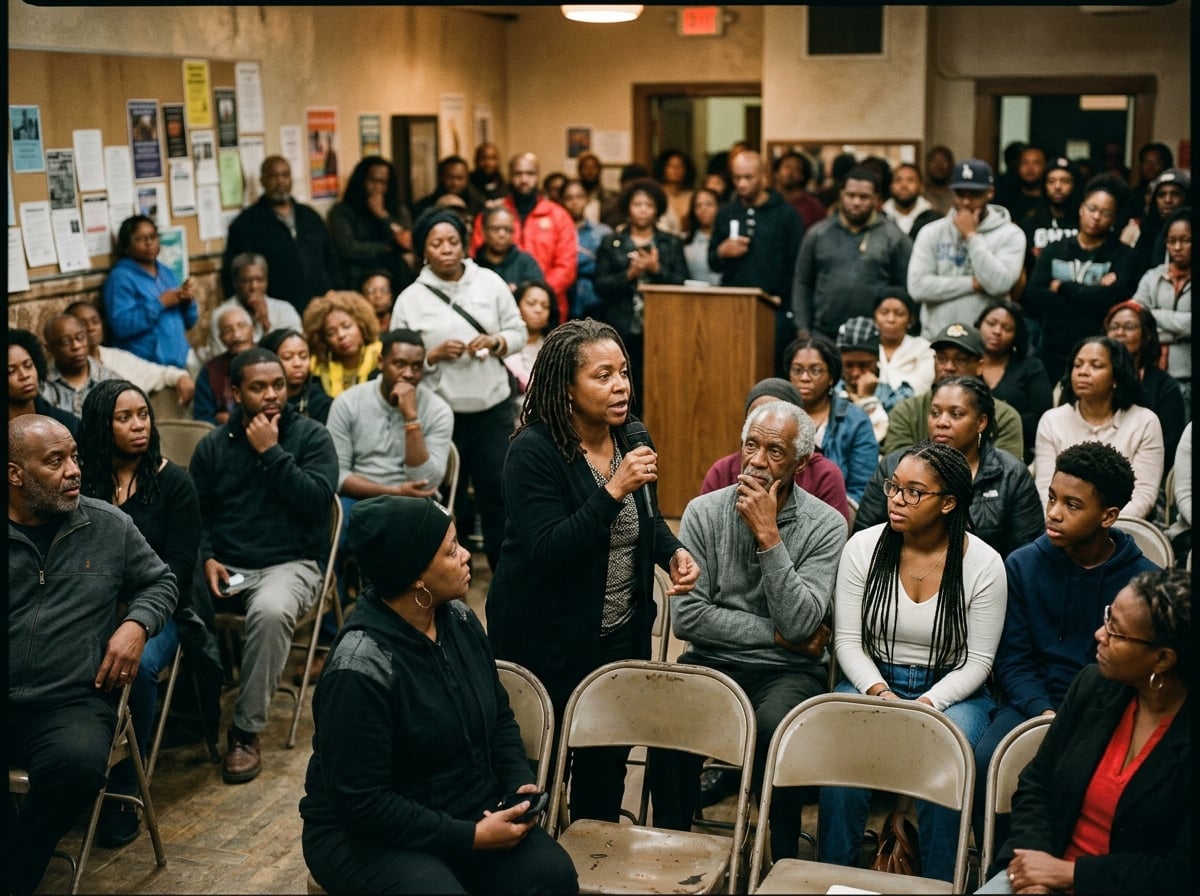
Here’s the math that doesn’t make it into the inspirational posts.
There are about 8,760 hours in a year. If you worked every single one of them — no sleep, no breaks, no weekends — and somehow earned $1,000 per hour, after 114 years you’d have roughly $1 billion.
That’s working every hour of every day for 114 years straight at a rate that most people will never earn in their lifetimes.
So how do people accumulate that in, say, 30 years?
You do it by extracting value from other people’s labor. You do it by underpaying workers — often workers of color, often in the Global South — for the true value they create. You do it by inheriting capital that was built on land theft and enslaved labor and turning that head start into compound interest over generations. You do it by capturing political systems that protect your ability to accumulate while limiting others’ ability to catch up.
This is not a theory. It’s the documented history of nearly every American fortune above a certain threshold.
Why This Is a Black History Issue
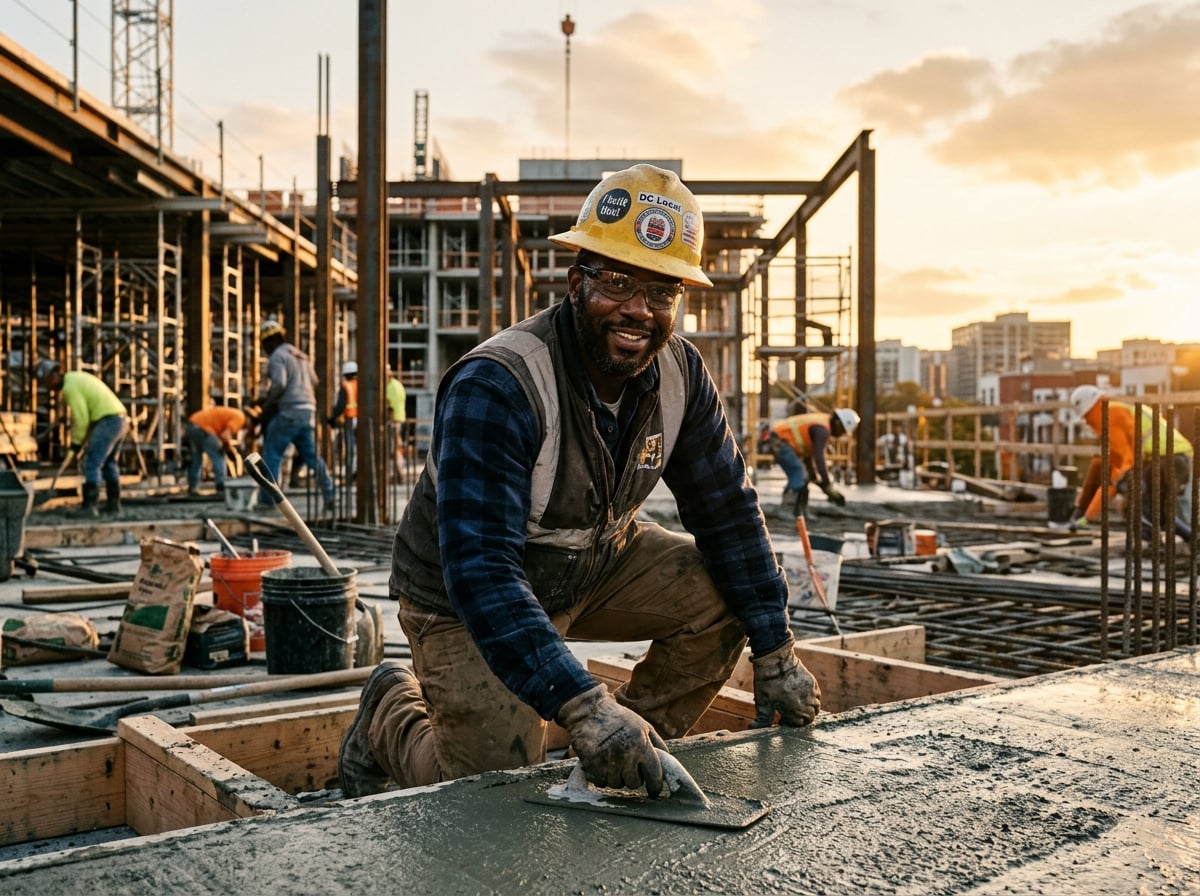
Our community didn’t just miss out on wealth — our wealth was actively taken.
The story of Black wealth in America is a story of extraordinary creation followed by systematic destruction. Reconstruction saw Black Americans build land ownership, businesses, and civic institutions with breathtaking speed after emancipation — only to have them burned, looted, or legally stolen.
Black Wall Street in Tulsa was not destroyed by market forces. It was destroyed by a mob with air support from the National Guard.
The 40 acres promised to formerly enslaved people were not withheld because the government ran out of land. They were specifically revoked by Andrew Johnson to restore plantation land to the Confederate families who had used enslaved labor to build it.
The wealth gap between Black and white families in America today is not the result of different work ethics. It’s the result of different histories — and one of those histories includes being legally prevented from accumulating wealth for centuries.
When we teach our children that billionaires “earned” everything they have, we are teaching them a story that requires them to also accept a story about why our community has less. And that story is a lie.
✊🏾 Join 500,000+ families keeping Black history alive at home.
Get tools, stories, and exclusive offers delivered to your inbox.
The Myth Serves a Function
Every great myth serves someone’s interest.
The myth that wealth equals virtue — that the richest people are simply the hardest-working, most innovative, most deserving — does a specific job. It makes the status quo feel natural. It makes inequality look like merit. It puts the burden of poverty on the poor and the credit for wealth on the wealthy, when the actual explanation requires looking at history, structure, policy, and power.
This myth is especially powerful in America because it pairs with another myth: that anyone can make it if they just work hard enough. The combination is lethal. It says that the wealthy deserve their wealth AND that if you don’t have wealth, you didn’t work hard enough or want it badly enough.
Our ancestors worked as hard as any human beings who ever lived. They were not compensated for it.
That’s not a chip on our shoulder. That’s a documented fact with a paper trail.
What We Teach Our Children Instead

We don’t teach our kids to be bitter. But we do teach them to be clear.
We teach them that wealth is built on systems — and systems can be built or dismantled by human beings. We teach them that our community has always been capable of extraordinary creation, and that what held us back was not ability but policy, violence, and deliberate exclusion.
We teach them to look at who benefits from any given story about how the world works. To ask: who does this explanation serve? What does it make invisible? What does it require me to believe about my own people?
And we give them the tools to find the answers. Our Black history flashcard collections cover the wealth history our children aren’t getting in school — from Reconstruction to Black Wall Street to the ongoing fight for reparations. Because they can’t build a future on a foundation they don’t understand.
If you want to go deeper, read about what Black women built that America forgot to mention — the economic contributions that were extracted and never credited.
Serious, Not Cynical
I want to be clear about something.
Understanding the real history of wealth in America is not the same as giving up. It’s not the same as hating rich people or refusing to build anything. It’s the same as doing what our best thinkers and fighters have always done: seeing the situation clearly and then deciding what to do about it.
Our community has built extraordinary things under extraordinary pressure. And when we understand why those things were stolen, suppressed, or undermined — when we name the actual mechanism instead of accepting the myth — we are better positioned to protect what we build next.
The wealth gap is not a mystery. The answer has a history. And our children deserve to know it.
What conversations are you having with your family about wealth, work, and history? How do you teach your kids to understand economic inequality without losing hope? I’m genuinely asking — hit the comments, because we learn from each other.
Don’t miss what matters.
Join the Urban Intellectuals family — history, culture, and tools for raising empowered Black children. Straight to your inbox.


 Flashcards
 Games
Games Apparel & Homeware
 Travel
 Schools
 Memberships
 Sankofa Club (Children)
 About Us