
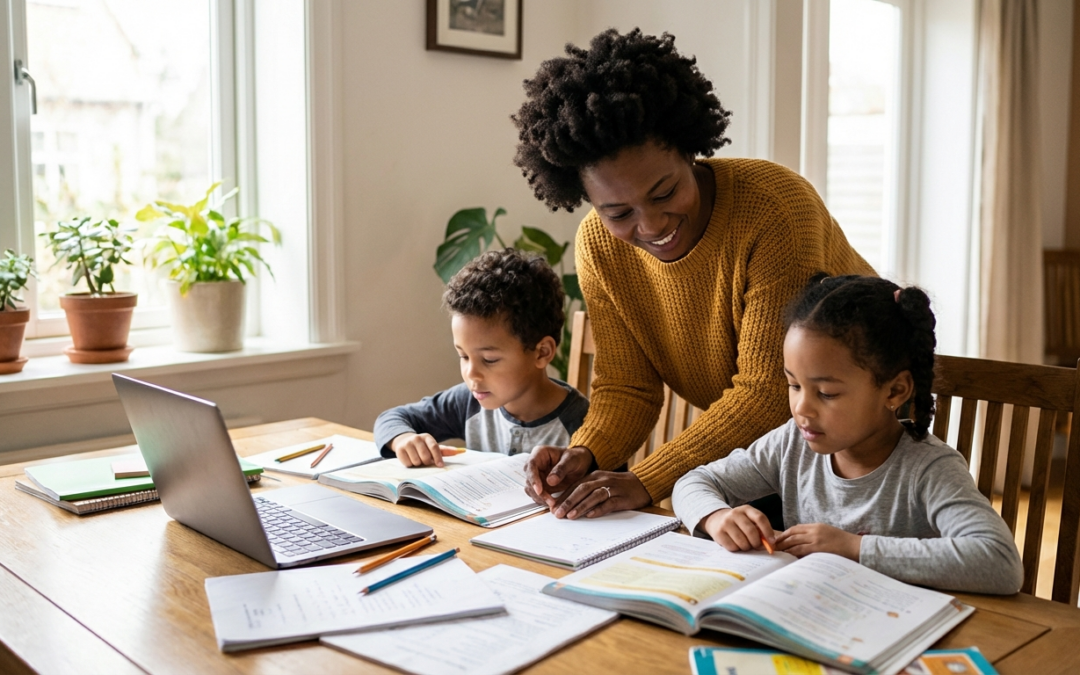
Let me be straight with you.
The school system was not built for our children. It wasn’t designed with them in mind, it wasn’t funded with them as a priority, and in too many places, it doesn’t even acknowledge they exist in the curriculum.
So when I tell you that Black homeschooling has exploded — we’re talking a 500% increase since 2020 — I’m not surprised. Are you?
The Exodus Is Real
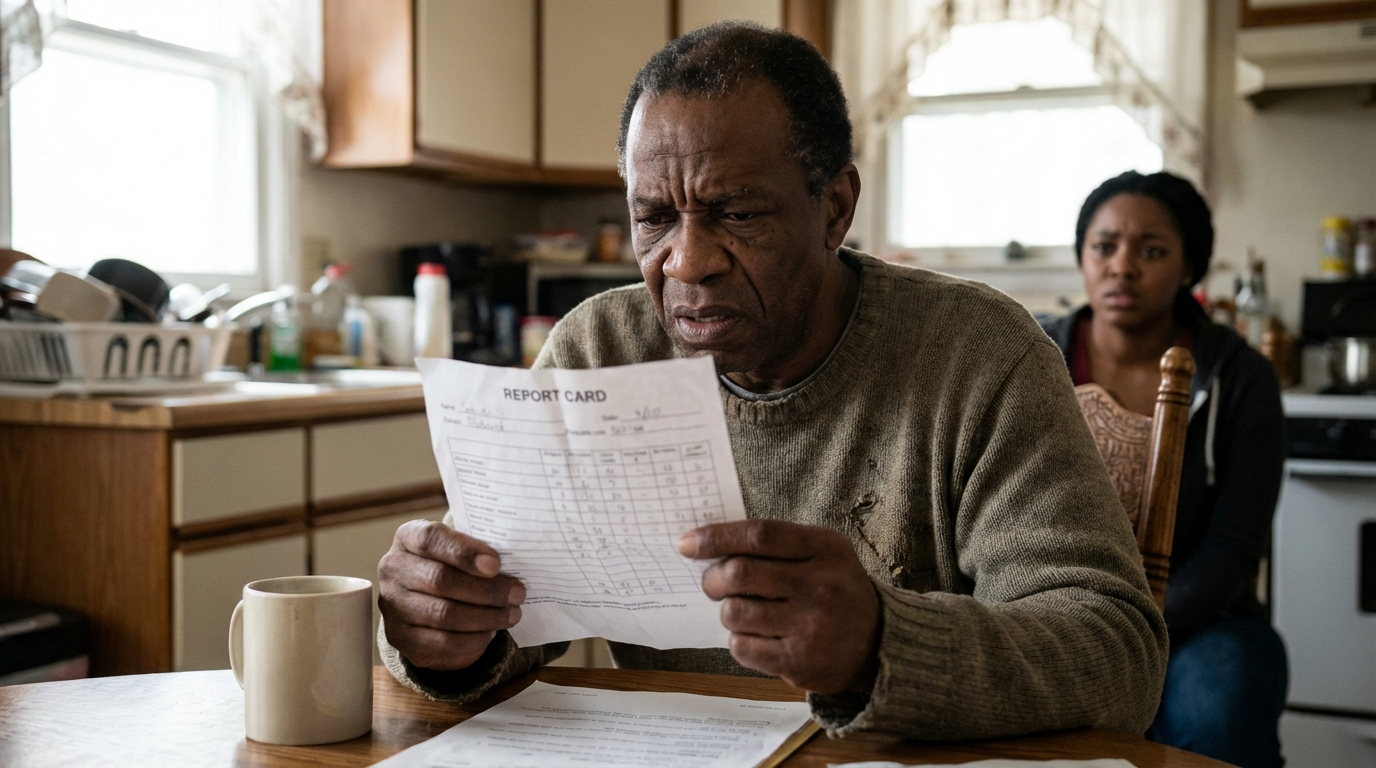
Before the pandemic, roughly 3.3% of Black families homeschooled. By 2023, that number had jumped to over 16% in some regions. And it’s still climbing.
This isn’t a trend. It’s a movement. And it’s being led by Black mothers who looked at what was happening in classrooms and said, “I can do better.”
They’re not wrong.
Why Families Are Leaving
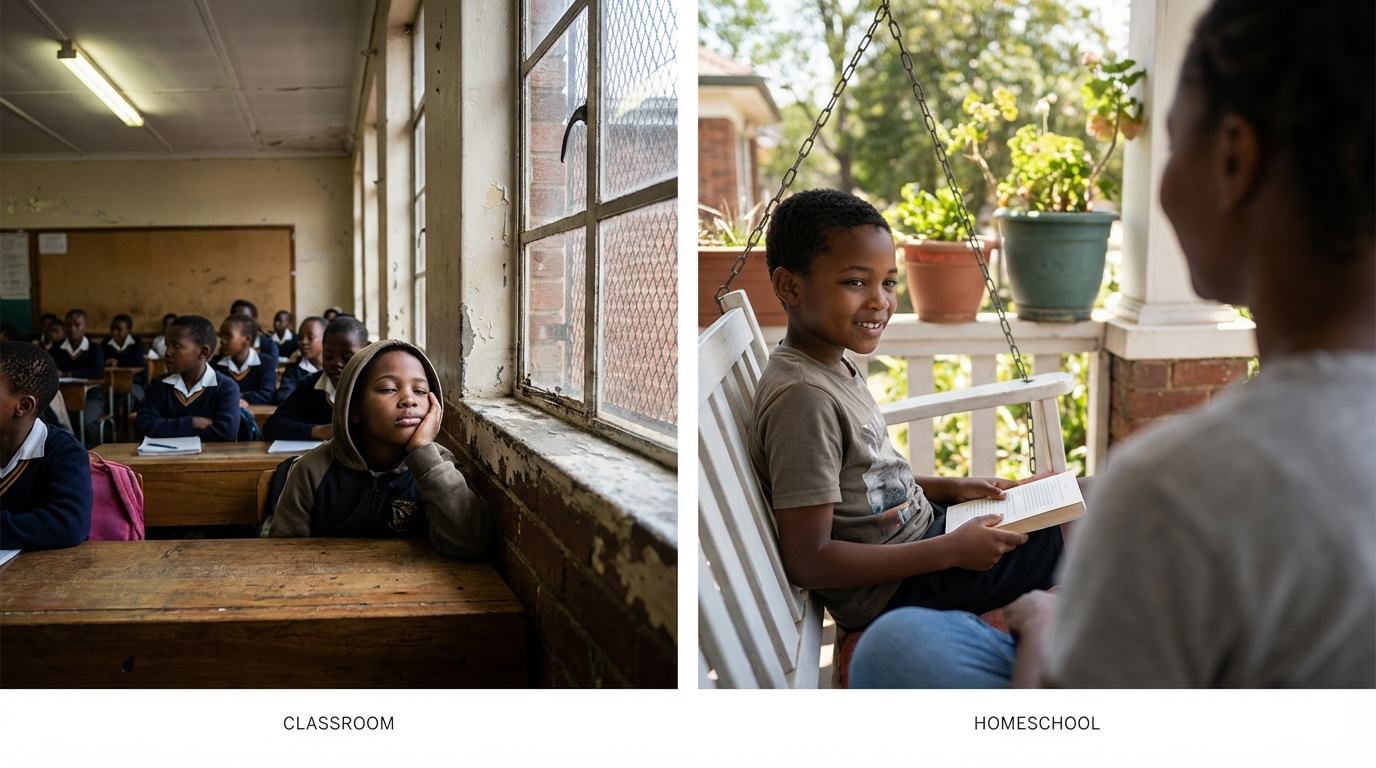
The reasons aren’t complicated. Ask any Black homeschooling parent and you’ll hear the same themes:
The curriculum erases us. When your child’s textbook covers the entire Civil Rights Movement in half a chapter and never mentions anyone before Martin Luther King Jr., that’s not education. That’s erasure.
The discipline gap is real. Black children are 3.8 times more likely to be suspended than white children. Preschoolers. Getting suspended. For being children.
The pandemic showed us what’s possible. Parents who were forced into homeschooling during COVID discovered something: their kids actually thrived when learning wasn’t tied to a bell schedule and a standardized test.
Cultural identity matters. A child who doesn’t see themselves reflected in their education starts to believe they don’t belong in it. Full stop.
“But I’m Not a Teacher”
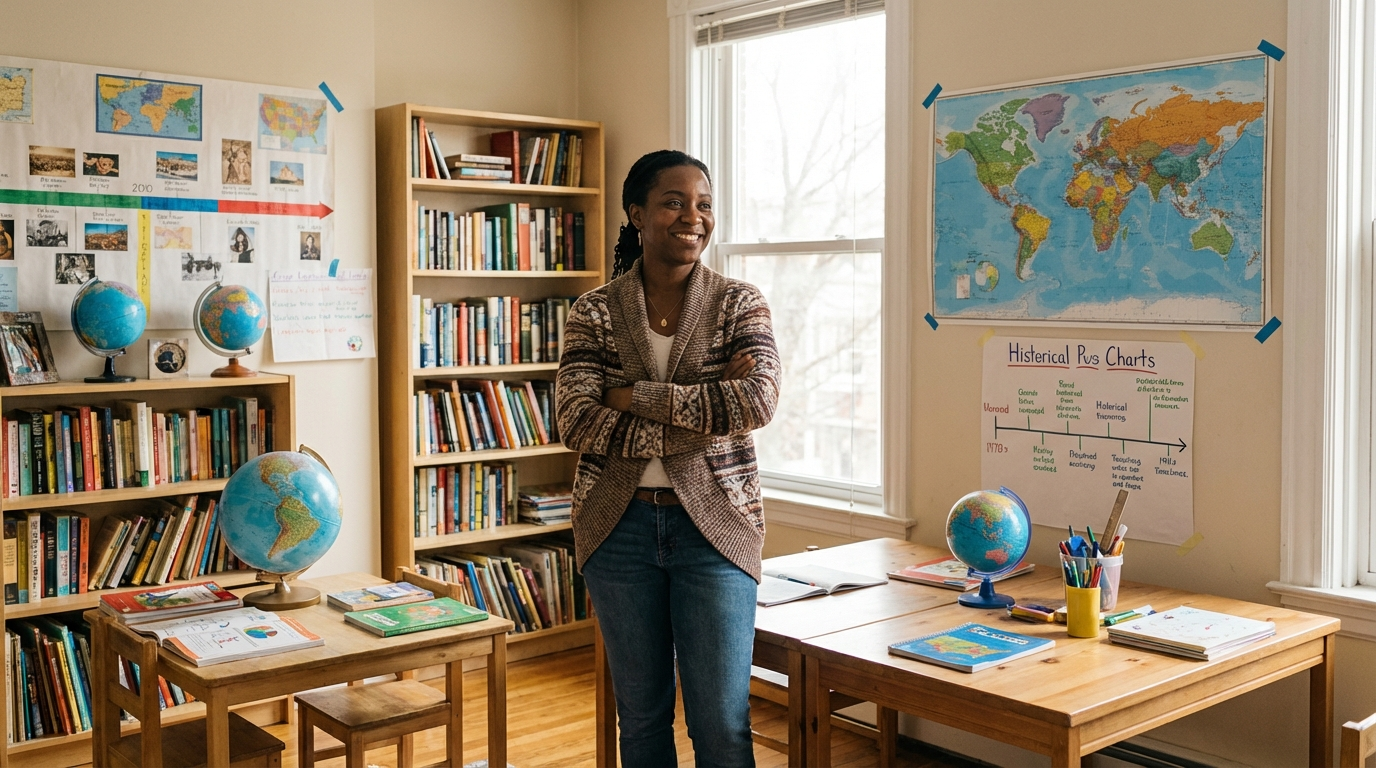
This is the number one thing I hear. And I get it. The idea of becoming your child’s entire educational system sounds terrifying.
Here’s what nobody tells you: you don’t have to become a teacher. You have to become a facilitator.
The difference? A teacher stands at the front of a room and delivers information. A facilitator creates the environment, provides the resources, and guides the child through discovery.
You’ve been doing this since they were born. You taught them to walk, talk, eat, tie their shoes. You’ve been facilitating their learning their entire life. Homeschool is just being intentional about it.
✊🏾 Join 500,000+ families keeping Black history alive at home.
Get tools, stories, and exclusive offers delivered to your inbox.
The Practical Stuff

Let’s get into it.
Check your state laws. Every state is different. Some require you to file a notice. Some want you to submit a curriculum plan. Some don’t require anything at all. The HSLDA website has a state-by-state breakdown.
Pick your style. Classical, Montessori, unschooling, Charlotte Mason, eclectic — there are dozens of approaches. Most Black homeschool families end up going eclectic: pulling what works from different philosophies and building something custom.
Build your community. This is non-negotiable. Join a Black homeschool co-op. Find local meetups. Connect on social media. Your child needs socialization, and you need other parents who understand why you made this choice.
Start with your anchors. Reading. Math. Everything else can flex. Get those two locked in with a solid curriculum, and build the rest around your family’s interests and values.
Make Black History the Backbone
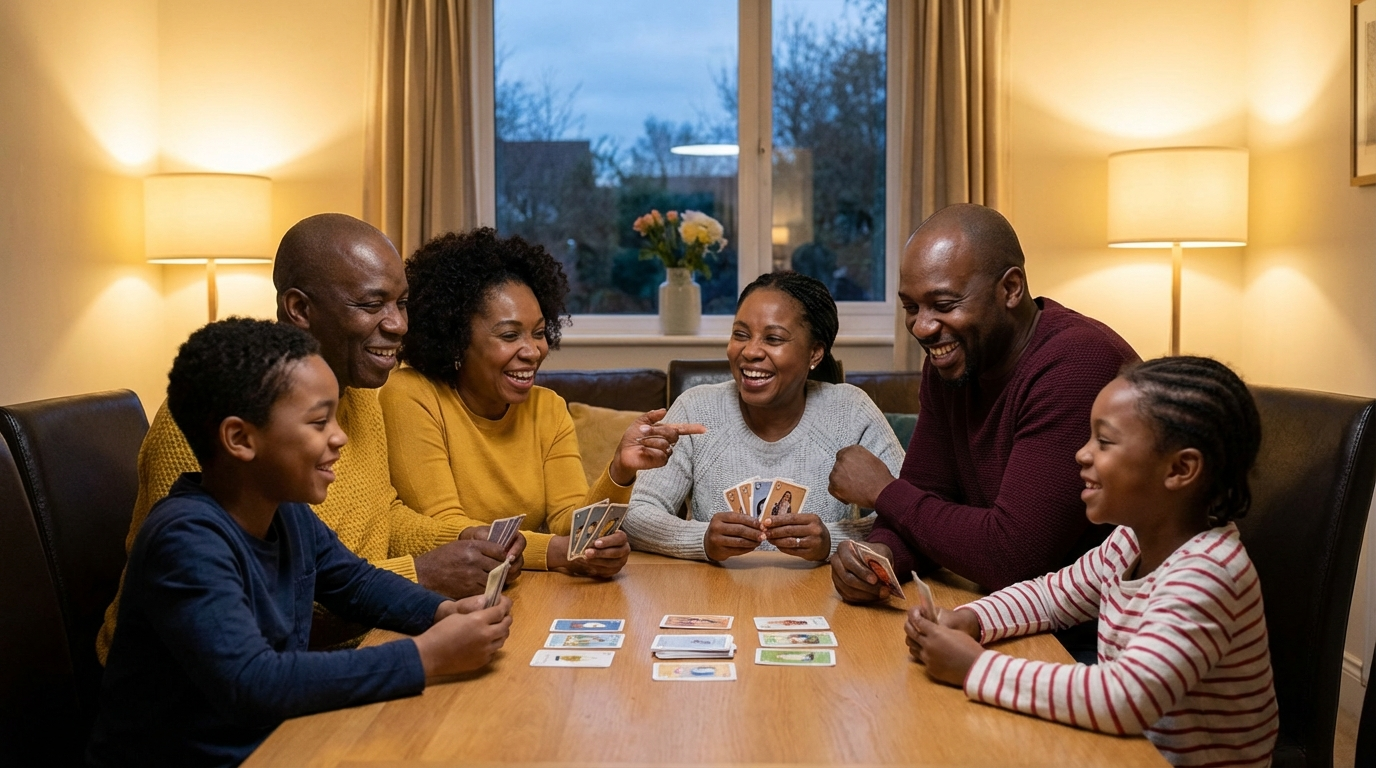
Here’s where most homeschool curricula fall short — even the “inclusive” ones. They treat Black history as a module. A unit. Something you cover in February and then move on.
In your homeschool, Black history isn’t a unit. It’s the lens.
Teaching the American Revolution? Talk about Crispus Attucks. Teaching science? Start with Lewis Howard Latimer and the carbon filament. Teaching literature? Phillis Wheatley was writing poetry that stunned the Western world before America was even a country.
Our Black History Flashcards are perfect for this — each card is a jumping-off point for an entire lesson. Pull a card at breakfast, research the person together, and let that guide your day. That’s not just education. That’s legacy.
Pair them with Black History Bingo for game-based learning that doesn’t feel like school. Because the best lessons never do.
What About Socialization?
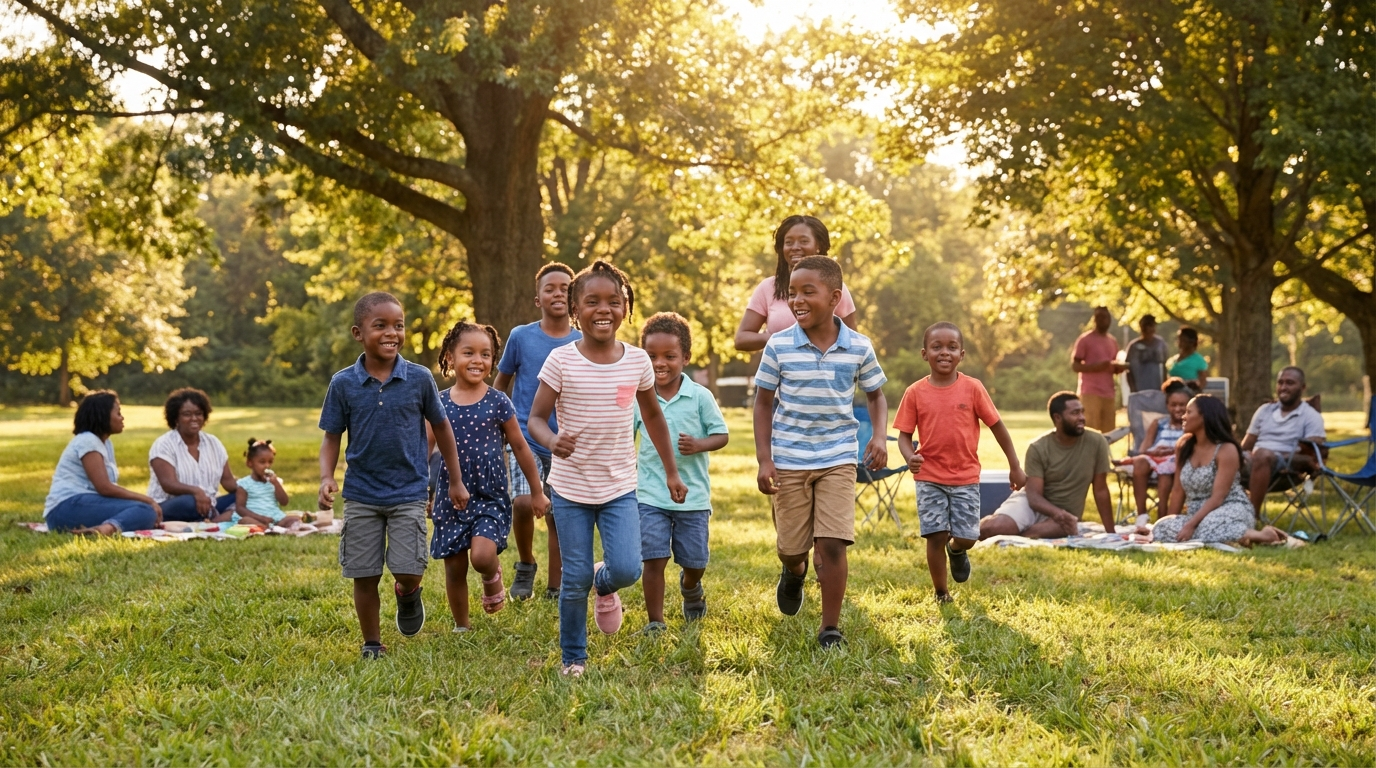
Every homeschool parent has been asked this question by a well-meaning relative at Thanksgiving. “But what about socialization?”
Here’s the honest answer: socialization in public school often means learning to sit quietly for six hours, navigate cliques, and deal with bullying. That’s not the socialization we’re worried about preserving.
Homeschooled kids socialize through co-ops, sports leagues, church groups, community service, neighborhood play, family gatherings, and a dozen other real-world settings. They learn to interact with people of all ages — not just 25 kids born in the same year.
The Results Speak
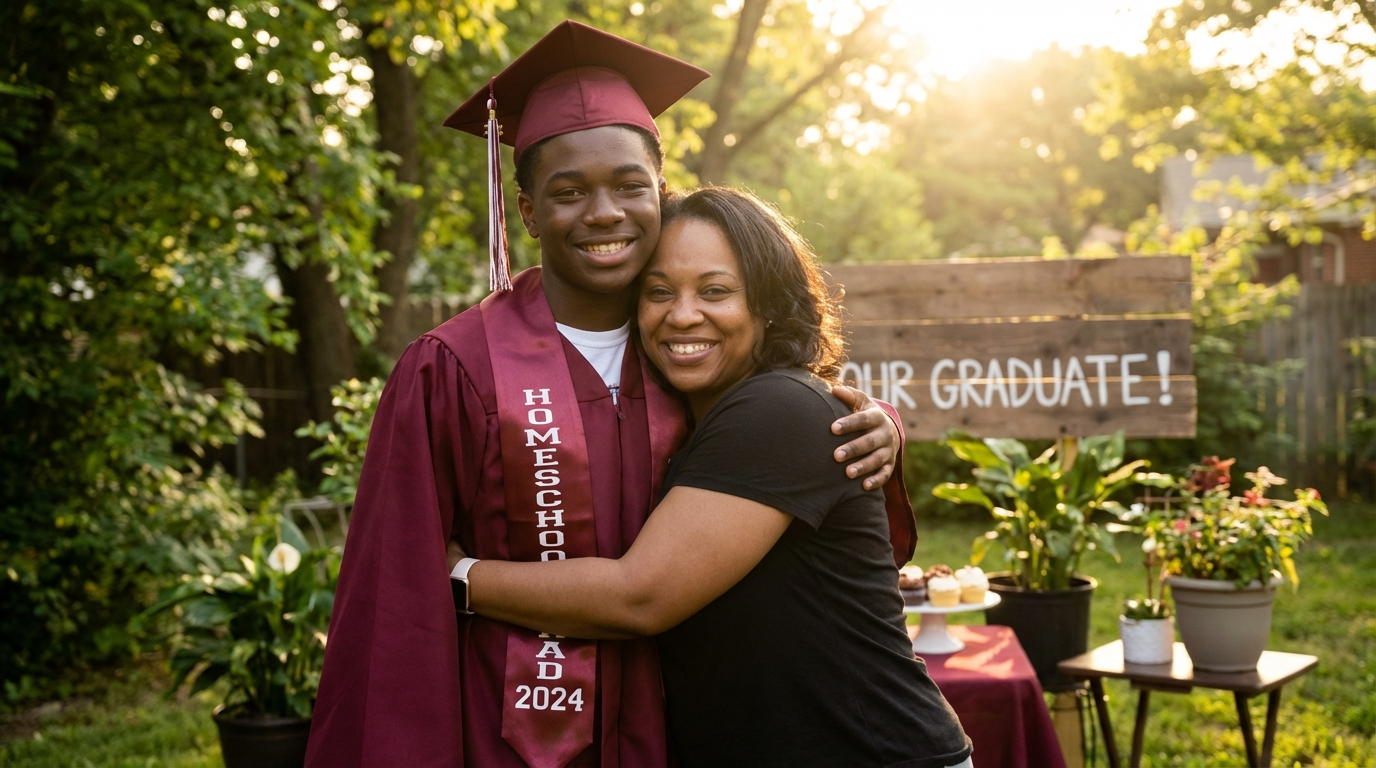
Black homeschooled students score, on average, 23-42 percentile points above their public school counterparts on standardized tests. They have higher college enrollment rates. And study after study shows they have stronger self-identity and cultural pride.
This isn’t anecdotal. The numbers are clear.
It’s Not For Everyone — And That’s OK
Homeschooling requires time, energy, and often a financial restructuring. Single parents, families where both parents work full-time, families without a support network — this isn’t always feasible.
And that’s real. No judgment here.
But if you’ve been thinking about it, if that little voice in the back of your head has been saying “I could do this” — listen to it. Because you probably can.
Start small. Start with one subject. Start with a summer pilot program. Start with a conversation with your kids about what they actually want to learn.
The school system might not have been built for our children. But that doesn’t mean we can’t build something better.
Love, peace, and power to the people. ✊🏾
Are you homeschooling? Thinking about it? What’s holding you back? Let us know in the comments — we’re building a community here.
Don’t miss what matters.
Join the Urban Intellectuals family — history, culture, and tools for raising empowered Black children. Straight to your inbox.


 Flashcards
 Games
Games Apparel & Homeware
 Travel
 Schools
 Memberships
 Sankofa Club (Children)
 About Us